
On this page
To reach Gen Z with video, go where they already watch (mainly YouTube, TikTok and Instagram), make content that feels genuine rather than polished advertising, get to the point quickly and show what your brand actually stands for. Then stay in the conversation: reply to comments and take feedback seriously.
Who are Gen Z?
Gen Z are the generation that came after Millennials. Pew Research Center treats anyone born from 1997 onwards as part of it, so in 2026 the oldest are in their late twenties and already well into their careers, while the youngest are still at school.

They have grown up with smartphones, social media and on-demand video as normal parts of life. That doesn't make them one audience. A 16-year-old student and a 28-year-old manager deciding on a software purchase are both Gen Z, and they need very different videos. Start by being specific about which part of the generation you're trying to reach.
Where does Gen Z watch video?
Gen Z watch most of their video on YouTube, TikTok and Instagram. In Pew Research Center's 2025 survey of US teens, YouTube was the most widely used platform, with roughly nine in ten teens using it and about three quarters using it every day. TikTok (61%) and Instagram (55%) were the next most used daily, and about one in five said they use TikTok "almost constantly", with a similar share saying the same of YouTube.
That survey covers US teenagers, so treat it as a guide rather than a precise picture of Irish audiences. The general pattern holds, though: if you want to reach younger viewers, your video needs to work on these platforms, which usually means vertical versions, captions and an opening that works without sound. Our guide to creating videos for different social media platforms covers the practical differences.
For older Gen Z in professional roles, LinkedIn and YouTube matter as well, particularly for B2B and recruitment content.
Why does authenticity matter so much to Gen Z?
Gen Z have grown up surrounded by advertising and are quick to spot content that feels staged or insincere. Video that works with them tends to feel like it was made by real people with something to say.
In practice that means:
- Real people over actors. Your own staff, customers and community usually come across as more credible than a scripted presenter.
- Plain language. Talk the way people actually talk. Corporate jargon is an instant turn-off.
- Honesty about what you're doing. If something is an ad or a paid partnership, say so. In Ireland, influencer content must be clearly labelled as advertising under CCPC and ASAI guidance.
- A lighter production touch where it fits. Not everything needs to look like a TV commercial. Short, phone-style content often fits the platform better, though it still needs a clear idea and good sound.
If you or your team will be on camera, our tips on becoming more comfortable on camera will help.
How long should videos for Gen Z be?
Videos for Gen Z should be as long as the idea needs and no longer, with the point made early. You'll often read that Gen Z have an "8-second attention span". When the BBC traced that figure, it found no research behind it, and the same audience happily watches long YouTube videos and multi-part series when the content is worth it.
What is true is that feeds are crowded and scrolling is fast. So:
- Hook viewers in the first few seconds. Open with the most interesting moment, a question or a person, not a logo.
- Cut the padding. Remove anything that doesn't move the story on.
- Make cut-downs. A longer film can be edited into several short social versions, each with one point.
Our posts on short-form video and how long your video should be go into more detail.
Do brand values matter to Gen Z?
Yes. Many younger viewers pay attention to how a brand treats people and the planet, and they notice when a brand's words and actions don't match. The key is to show what you actually do, not to borrow causes for a campaign.
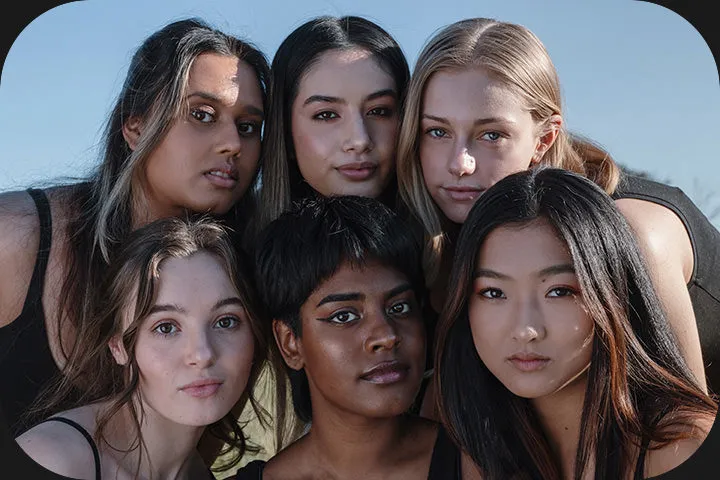
- Show real diversity. Cast and feature people who reflect your actual customers and staff, and do it as a matter of course rather than as a token gesture.
- Back up claims with evidence. If you talk about sustainability or community work, show the specifics. Vague claims invite criticism.
- Stay out of issues you can't stand behind. Commenting on a cause without any track record can do more harm than saying nothing.
How should brands handle comments and feedback?
Treat comments as part of the content. Gen Z expect brands to be present in the conversation, and they're quick to say what they think.
- Reply, and reply like a person. Answer questions, thank people and engage with good-humoured comments.
- Take criticism seriously. Respond calmly, fix what can be fixed and say what you've changed.
- Use what you learn. Comments are free research. Recurring questions are ideas for your next video.
What's the short version?
Be where Gen Z watch, be genuine, get to the point and show what you stand for. Then keep the conversation going.
If you'd like help making social-first video for a younger audience, see our brand films and advertising work, or get a ballpark figure in a few minutes from our instant quote calculator.
Written by Mango Media. Published , updated .