
On this page
Most email inboxes, including Gmail and Outlook on Windows, won't play video inside an email. So the reliable way to use video in email marketing is to show a still thumbnail or short GIF with a play button, link it to a page where the video plays, and make that page carry the call to action.
Why put video in an email at all?
An email can only say so much before people stop reading. A short video can show a product working, let a customer explain why they chose you, or put a face to your company, all in less time than it takes to read a long newsletter.
Video also gives subscribers a clear reason to click. That matters, because the click is what takes them from your email to your website, where the enquiry or sale happens.
You'll see plenty of statistics claiming that "video" in a subject line or a video thumbnail in an email lifts opens or clicks by a set percentage. We couldn't trace those figures to a current, credible study, so test it with your own list instead (see below).
Which videos work well in email?
Short, focused videos with one message work best. Good fits include:
- Product demos and launches: show how something works or what's new.
- Customer testimonials: a client explaining the result in their own words.
- Event invitations and recaps: a teaser to drive sign-ups, or highlights afterwards for people who missed it.
- Explainers: a clear walkthrough of a service or process.
- A personal message: a founder or account manager speaking directly to the viewer, for onboarding, a thank-you or an update.
- Recruitment: a short look at the team for a careers newsletter.
Keep the video short and the message single. If you have three things to say, that's three emails or three videos. Our guide on how long your video should be goes into length in more detail.
How to add video to an email so it works in every inbox
1. Thumbnail with a play button (recommended)
Take a strong frame from the video, add a play button graphic, and link the image to a page where the video plays: your website, YouTube or Vimeo. This works in every email client, loads quickly and is easy to set up in any email platform.
The video doesn't play inside the email, but people understand a play button and expect to click it.
2. Animated GIF preview
Use a few seconds of the video as a GIF, linked to the full video. Movement catches the eye in a busy inbox. Keep the file size small so the email loads quickly, and remember a GIF has no sound. Desktop Outlook on Windows has historically shown only the first frame of a GIF, so make sure that first frame works on its own.
3. Embedded HTML5 video (limited)
You can code a video directly into an email with the HTML5 video element. According to Can I email, it plays in Apple Mail and Outlook on Mac, with partial support on iPhone, but not in Gmail, Outlook on Windows, Outlook.com or Yahoo. If you try it, you need a fallback image for everyone else, which brings you back to option one.
For most businesses, the thumbnail method is the right choice.
Where should the video link go?
Link to a page that's built for the video, not a busy homepage.
- A page on your own website is usually best. You can put the next step (book a call, buy, register) right beside the video, and your analytics will show what people did afterwards.
- YouTube is free and familiar, but it will suggest other videos when yours ends.
- Vimeo or Wistia give you a cleaner, ad-free player and more control over branding and what happens at the end.
Best practices for video emails
- Set expectations in the subject line. Tell people what they'll see ("See the new range in 60 seconds"), and test whether mentioning video helps with your audience.
- Choose the thumbnail carefully. A clear face or the product in use usually works better than a logo or a title card.
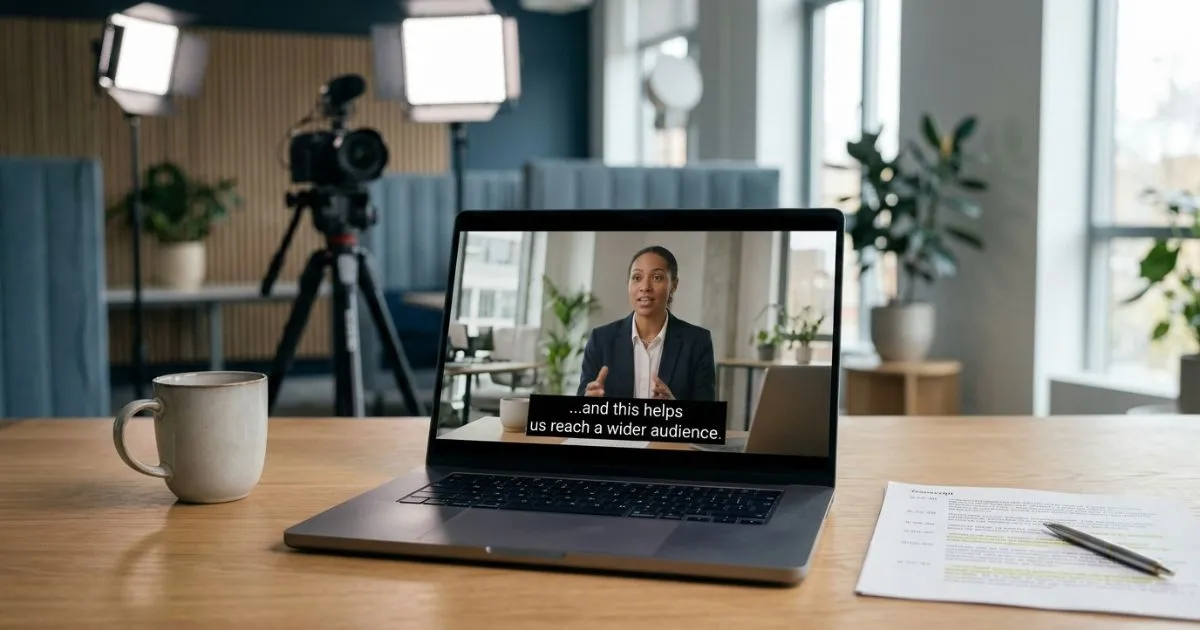
- Add captions. Many people watch with the sound off, particularly on phones.
- Make the call to action obvious. Put a button under the thumbnail as well as the image link, in case images are blocked.
- Check it on a phone. A large share of email is opened on mobile, so make sure the thumbnail, button and landing page all work on a small screen.
- Add alt text to the thumbnail so the email still makes sense if images don't load.
Tools that help
- Recording quick personal videos: screen and webcam recorders such as Loom.
- Making GIFs: most video editors can export one, or use a web tool such as ezgif.com.
- Sending: mainstream email platforms such as Mailchimp, Klaviyo and ActiveCampaign let you add linked images and GIFs, and track clicks.
How to measure whether video emails work
Run a simple test: send half your list a version with the video thumbnail and half without, with everything else the same. Then compare:
- Click-through rate: did more people click?
- Video plays and watch time on the landing page.
- Conversions: did more people book, buy or register?
Treat open rates with caution. Privacy features in some email apps, notably Apple's Mail Privacy Protection, load remote content in the background, which can make opens look higher than they are. Clicks and conversions are more reliable.
Add UTM parameters to your links so Google Analytics can show which email sent each visitor. For more on tracking, see how to measure the ROI of video marketing campaigns.
Getting video made for your emails
If you're planning a campaign, it's worth getting email-friendly cut-downs and a few strong thumbnail frames from the same shoot. We make corporate videos and animated explainers with social and email versions planned in from the start. For a quick estimate, try the instant quote calculator.
Written by Mango Media. Published , updated .