On this page
- Why is B2B video different?
- Which B2B videos fit each stage of the sales cycle?
- Case study videos: proof from companies like theirs
- Explainer and product demo videos: making a complex offer clear
- Thought leadership videos: showing you know the industry
- Brand films: why people should choose you over similar suppliers
- Event and conference videos: getting more from what you already spend
- Recruitment videos: the B2B brand is also an employer brand
- Common mistakes in B2B video
- Where to start
The best videos for B2B companies are customer case studies, explainer and product demo videos, and thought leadership content, backed up by a brand film, event footage and short clips for LinkedIn. Each one answers a question a business buyer has at a particular stage of a long, multi-person decision, so the right mix depends on where your deals stall.
This post is about selling to other businesses. For the general starter set, read 5 essential videos every business should have, and for the full list of formats see 8 types of video your business needs.
Why is B2B video different?
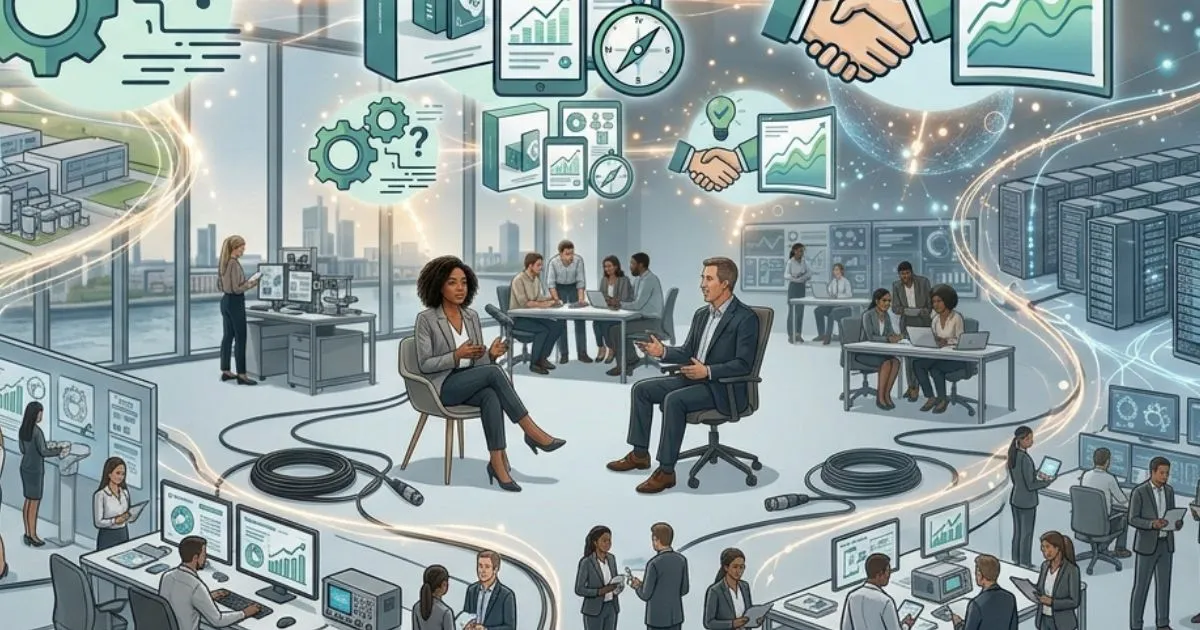
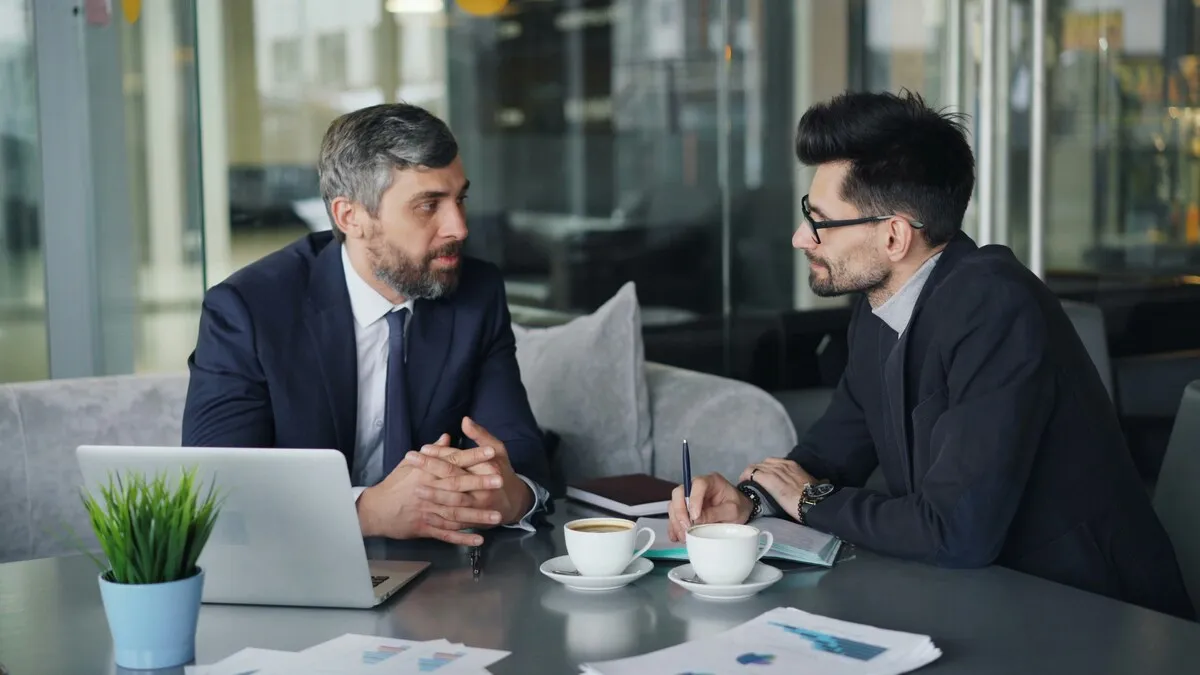
B2B video is different because the buyer is rarely one person and the decision is rarely quick. A purchase might involve a manager who finds you, a specialist who checks the detail, a finance lead who signs off and a director who wants reassurance. Each of them needs something different, and most will look at your website and LinkedIn before they ever talk to sales.
That has two practical effects. First, your videos have to work without you in the room, because they're often forwarded internally. Second, the videos that help close a deal (case studies, demos) matter as much as the ones that get you noticed.
Which B2B videos fit each stage of the sales cycle?
| Stage | What the buyer is asking | Videos that help |
|---|---|---|
| Awareness | Who are these people, and do they understand our world? | Thought leadership, short LinkedIn clips, event highlights |
| Consideration | What exactly do they do, and how would it work for us? | Explainers, product demos, brand film |
| Decision | Has this worked for a company like ours? Is it safe to choose them? | Case studies, client testimonials |
| After the sale | How do we get the most out of it? | Onboarding and training videos |
Case study videos: proof from companies like theirs
A case study video is the most useful asset most B2B companies can make. It shows a real client explaining the problem they had, why they chose you, how the work went and what changed. B2B buyers are cautious because a bad supplier choice reflects on them personally, and hearing from a peer in a similar role or sector reduces that risk more than any claim you make yourself.
Where a testimonial is a short endorsement, a case study goes deeper into the process and the result. Many companies film both on the same day with the same client: a two to three minute case study for the website and sales team, and a 60-second testimonial cut for ads and LinkedIn. If the client can share real outcomes, include them; if they can't, a clear before and after still works. Our guide to video testimonials covers the interview itself.
Explainer and product demo videos: making a complex offer clear
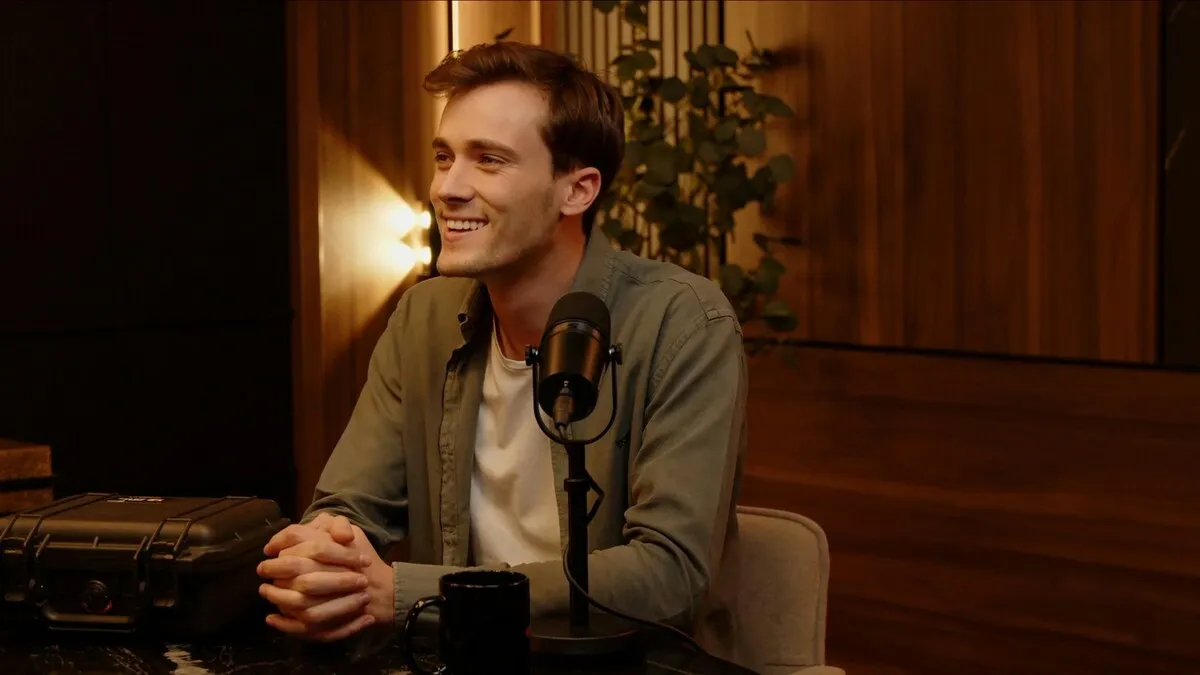
An explainer video tells a buyer what you do and how it works, in a way they can pass on to colleagues. That matters in B2B, where the person who finds you often has to explain you to someone else. Animation works well for software, platforms and processes you can't easily film; live action works for physical products, equipment and services delivered by people.
A product demo goes a step further and shows the product in use. Keep it focused on the problems it solves rather than every feature, and make separate short demos for separate use cases rather than one long tour. These are the videos sales teams send after a first call. See our animation and explainer work for the animated route.
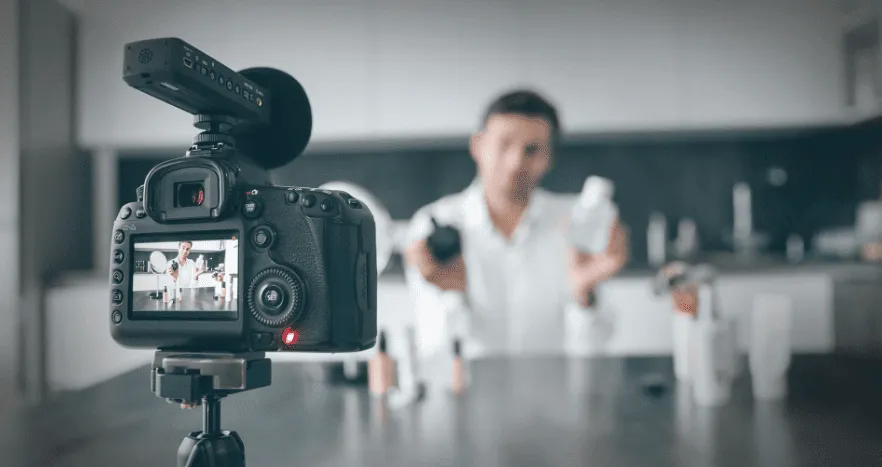
Thought leadership videos: showing you know the industry
Thought leadership videos share your team's expertise without selling: a view on where the sector is going, an explanation of a new regulation, the common mistakes you see clients make. They build familiarity before a buyer is in the market, so when a need comes up, your name is already known.
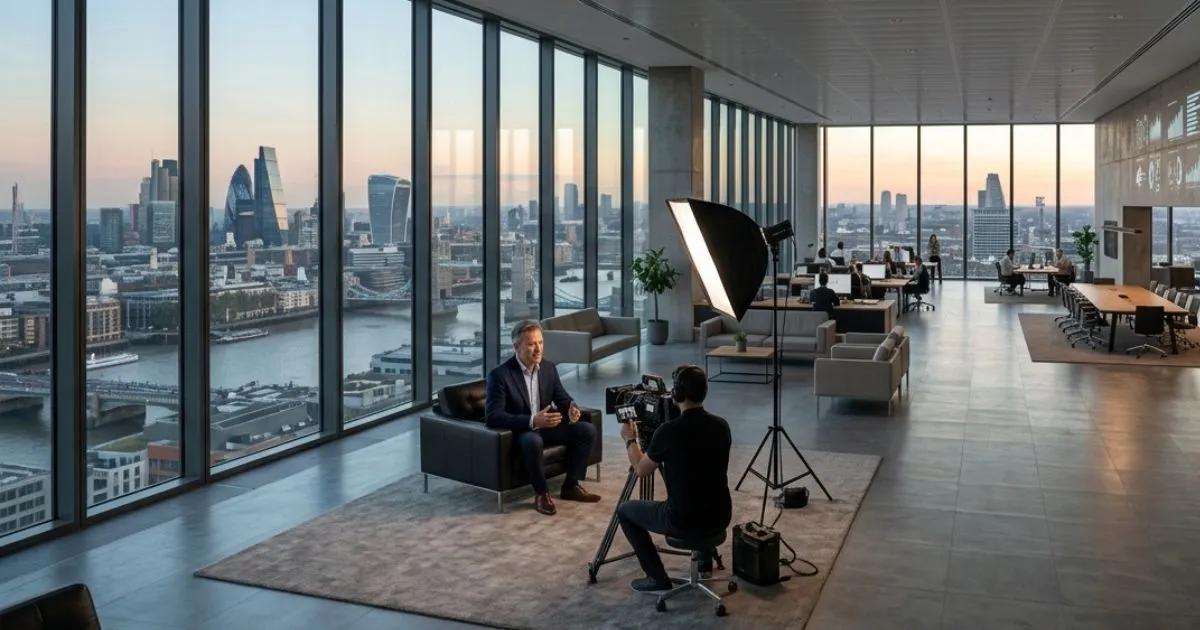
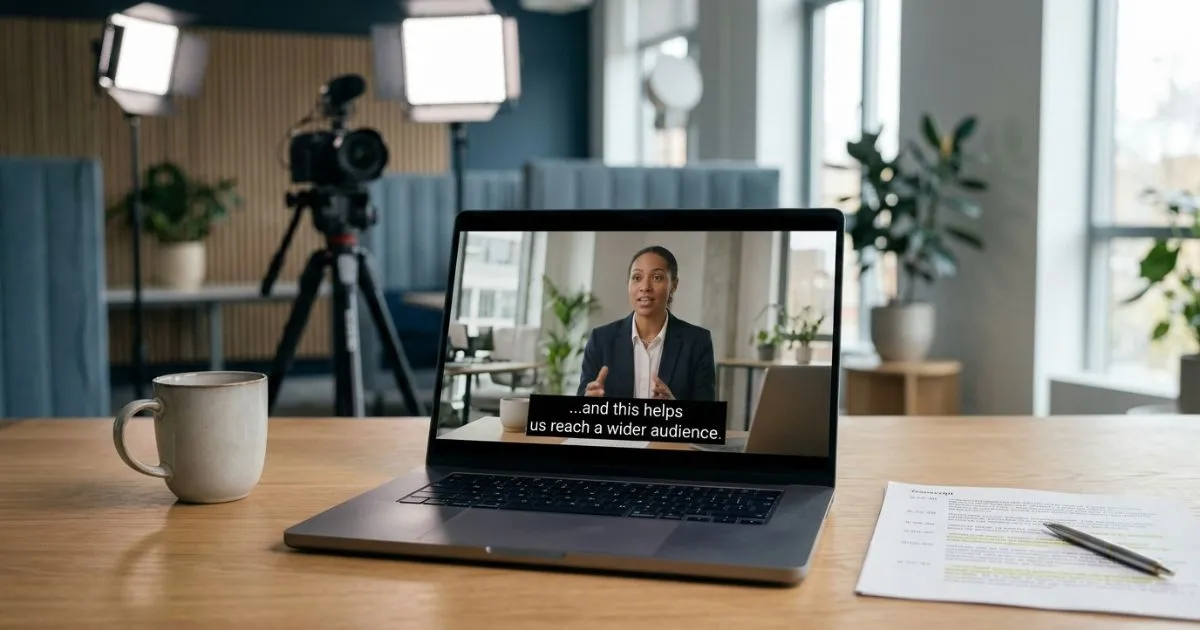
They work best as a series featuring the same few people, filmed in one session and released over several months. LinkedIn is the natural home. Remember that LinkedIn video autoplays with the sound muted, so add captions to everything. Leadership talking to camera is a skill in itself; CEO video messages and how to become more comfortable on camera both help.

Brand films: why people should choose you over similar suppliers
Many B2B markets have several capable suppliers offering similar services. A brand film helps buyers see what's different about yours: the people, the way you work, the values behind decisions. It sits on the homepage and about page, opens sales presentations and runs at trade shows. Corporate video vs brand video explains how it differs from a service explainer.
Event and conference videos: getting more from what you already spend
If you exhibit at trade shows, host client events or speak at conferences, filming them gives you content long after the day. Speaker sessions become thought leadership, highlights promote next year's event, and short clips feed LinkedIn for weeks. See our event video production page.
Recruitment videos: the B2B brand is also an employer brand
B2B companies compete for skilled staff as hard as they compete for clients, and candidates research employers the way buyers research suppliers. A short film showing the team, the work and the culture helps attract people who'll fit. Why video is powerful for recruitment covers this in detail.
Common mistakes in B2B video
- No clear job for the video. Decide which stage and which buyer it's for before you film.
- Features instead of outcomes. Buyers care about the problem solved, not the spec sheet.
- One video, then nothing. A single film doesn't build familiarity. A small, steady library does.
- No plan for the sales team. Tell sales which video to send when, or the videos sit unused.
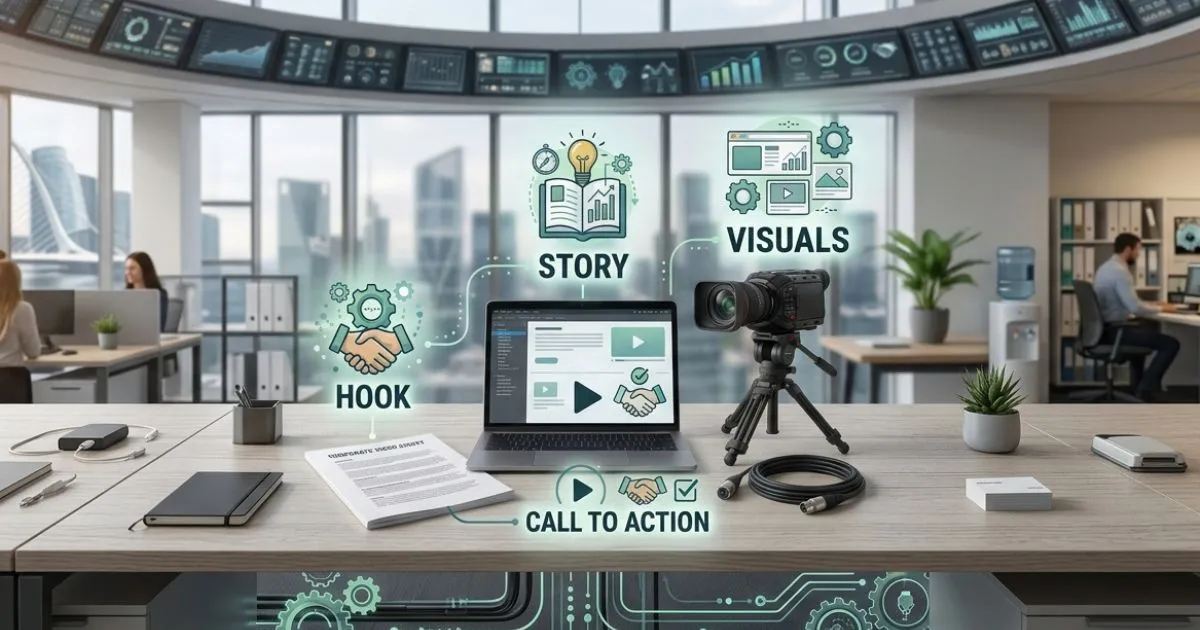
- Polish over clarity. A beautifully shot film with a vague message won't help a buyer decide.
Where to start
If you can only make one B2B video this year, make a case study with your best-fit client. It's the hardest proof to fake and the easiest for your sales team to use. Plan the shoot so it also gives you a testimonial cut and a few LinkedIn clips.
For a price, the instant quote calculator emails you an estimate within minutes. Our corporate video page shows how we approach this kind of work.
Written by Mango Media. Published , updated .