
On this page
Animation and motion graphics help you tell a story when the thing you need to show can't easily be filmed: an idea, a process, a system or a set of numbers. They let you control every frame, so you can strip a message back to its essentials. They work best when there's a clear story underneath, not as decoration.
What is the difference between animation and motion graphics?
Animation is the broad term for making images move frame by frame, usually with characters, scenes and a world of their own. Motion graphics is a branch of animation built around graphic elements: text, icons, shapes, charts and logos moving on screen.
In practice the line is blurry. A typical business explainer mixes both: a few simple characters to carry the story, with motion graphics to show the numbers or steps. What matters more than the label is the style, because style drives how long a video takes to make and what it costs.
Why does animation work so well for storytelling?
Animation works because it lets you show what a camera can't. A few situations where it earns its place:
- Abstract or invisible subjects. Software, financial products, data flows, medical processes and policy changes are hard to film. Animation can turn them into something the viewer can follow.
- Simplifying a complex message. You decide exactly what appears on screen and when, so you can remove everything that doesn't serve the point. Research by psychologist Richard Mayer found that people learn better from words and pictures than from words alone, which is the basic principle behind a good explainer.
- A consistent brand world. Colours, typefaces, character styles and movement can all follow your brand guidelines, frame by frame.
- No shoot logistics. There are no locations, weather, travel or contributors to schedule. That doesn't always make animation cheaper, but it removes a lot of risk.
- Easy to update and translate. Swapping a voiceover, a line of on-screen text or a product screen is usually simpler than reshooting.
A well-known example of animation used to teach is TED-Ed, whose short animated lessons pair a narrated script with visuals designed to explain one idea at a time.
When should you choose live action instead?
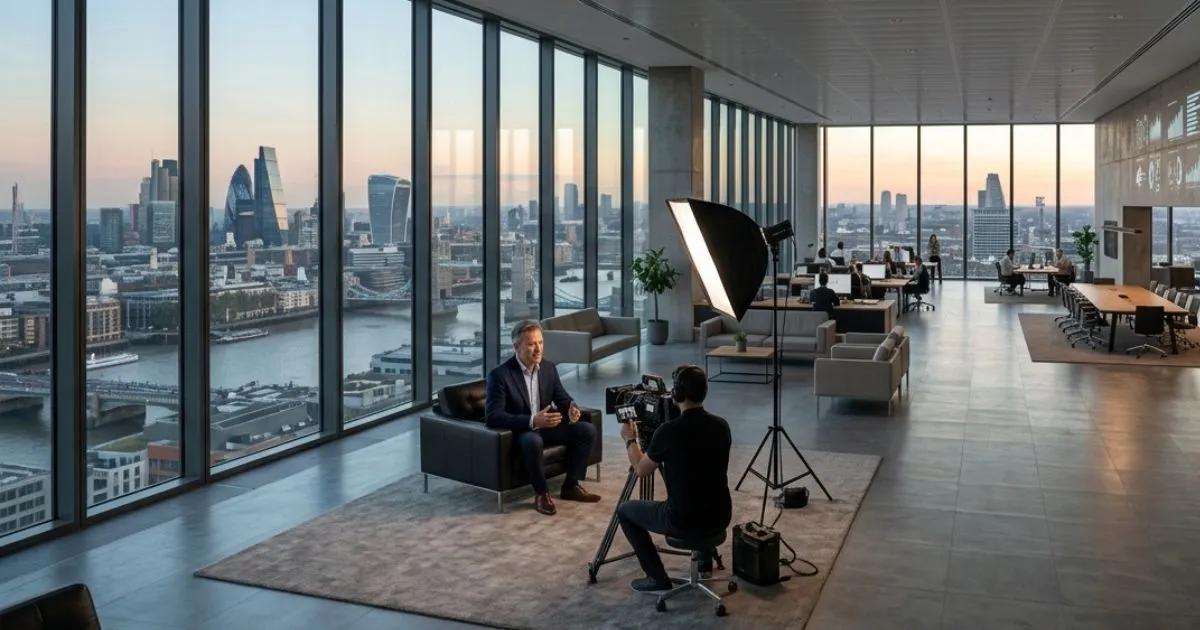
Live action is usually the better choice when the story depends on real people, real places or real emotion: customer testimonials, recruitment films, event videos, documentaries and brand films built around your team. Viewers trust a real face telling a real story in a way that's hard to match with a drawn character.
Many of the strongest business videos combine the two: filmed interviews for the human side, with motion graphics layered in to explain the numbers or the process. If you're weighing it up, our post on corporate video vs brand video covers how the purpose of a film shapes its format.
How do you build a story for an animated video?
An animated video needs the same story foundations as any film. A typical process looks like this:
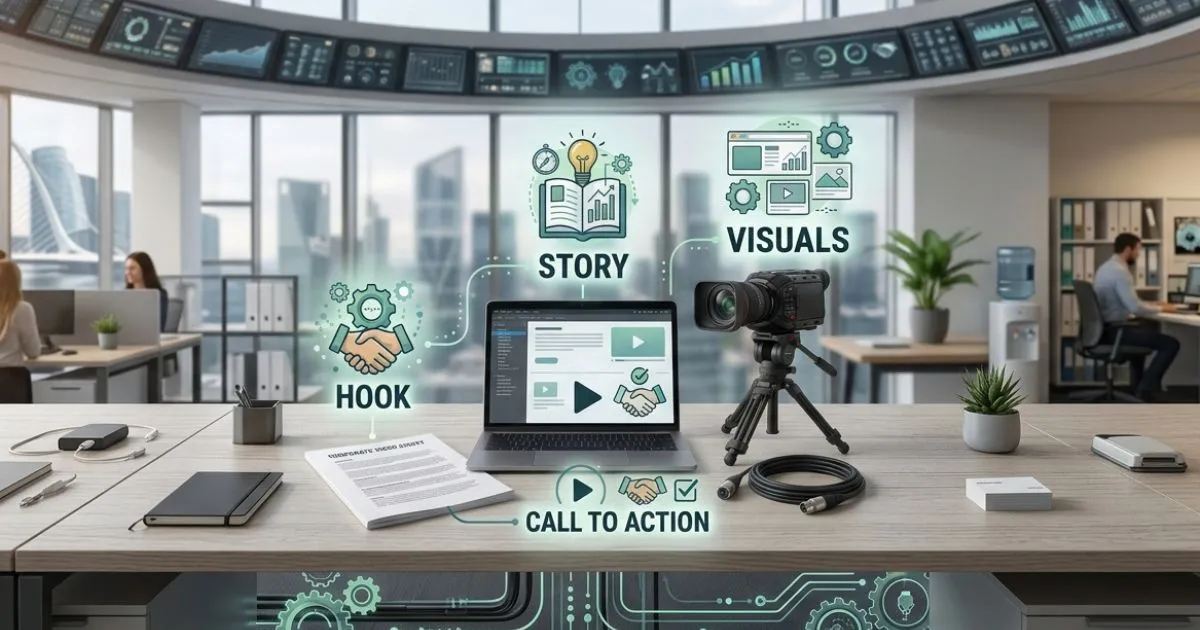
- One clear message. Decide the single thing the viewer should understand or do after watching. If there are three messages, there are probably three videos.
- A simple structure. Most explainers follow a problem, solution and outcome shape: here's the situation your viewer recognises, here's what changes, here's what it means for them.
- Script first. The script, and usually the voiceover, sets the timing for everything else. Lock it before any design work starts, because changing words late means re-animating scenes.
- Style frames and storyboard. A few finished-looking frames set the visual style, and a storyboard maps every scene to the script. This is the cheapest point to make changes.
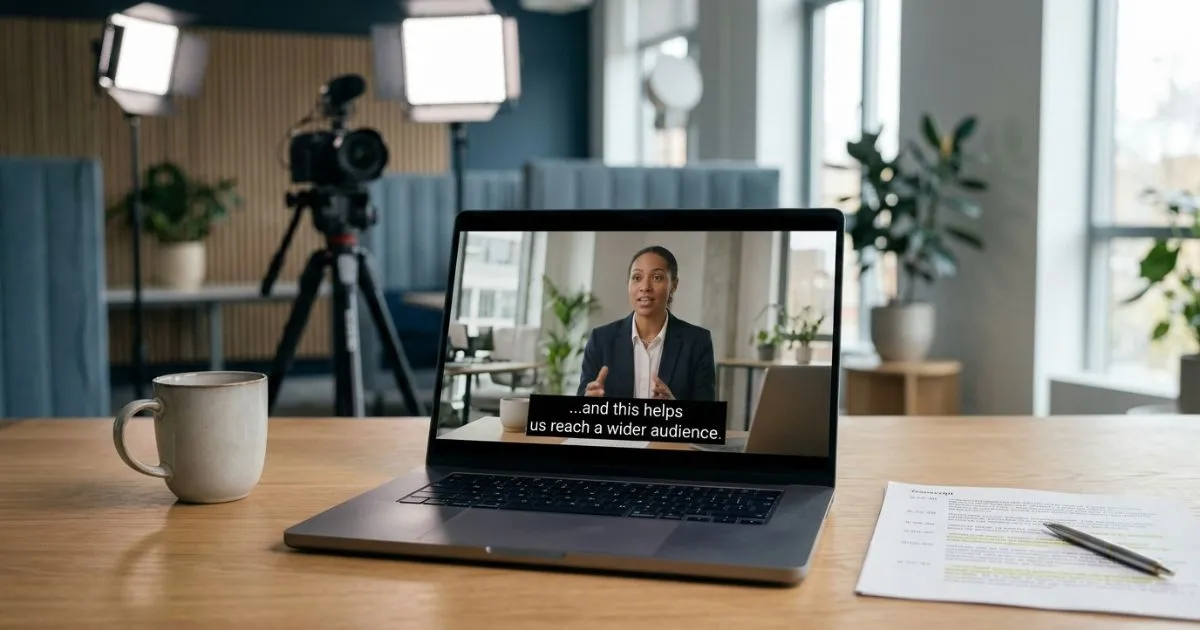
- Animation, sound and captions. Music, sound effects and a clear voiceover do a lot of the emotional work. Captions make the video usable with the sound off.
What are the common mistakes with animated videos?
The most common mistakes are about story, not software:
- Too much on screen. Busy scenes with several things moving at once pull attention away from the message. Simple usually reads better.
- No story underneath. Polished design can't rescue a script that doesn't say anything. If the script doesn't work read aloud, the animation won't fix it.
- Style that ignores the brand. Generic templates and stock characters can make a video look like anyone's. A style built from your brand guidelines makes it recognisably yours.
- Too long. Explainers lose people when they try to cover everything. Cut to the one message and link to more detail elsewhere.
- Late script changes. Rewriting after animation starts is the biggest cause of delays and extra cost.
How much does an animated video cost?
The price of an animated video depends mainly on its length and how complex the style is. Simple motion graphics cost far less than custom character animation or 3D, and voiceover, music and extra versions add to the total. As a guide, a simple 2D animated explainer of 60 to 90 seconds is typically about €2,450 to €3,350 ex VAT, or about €3,100 to €4,000 with professional voiceover and sound design. Our guide to animated explainer video costs breaks down what moves the price.
If you're planning an animated piece, you can see what we make on our animation video production page, or get a ballpark figure in a few minutes from our instant quote calculator.
Written by Mango Media. Published , updated .