On this page
A promo video introduces your business, explains what you do and builds trust, and it keeps working on your website and in sales meetings for years. A social media ad is a short video built to stop someone scrolling and get one action, such as a click or a sign-up, during a paid campaign. Most businesses need both, and they can come from the same shoot.
What is a promo video?
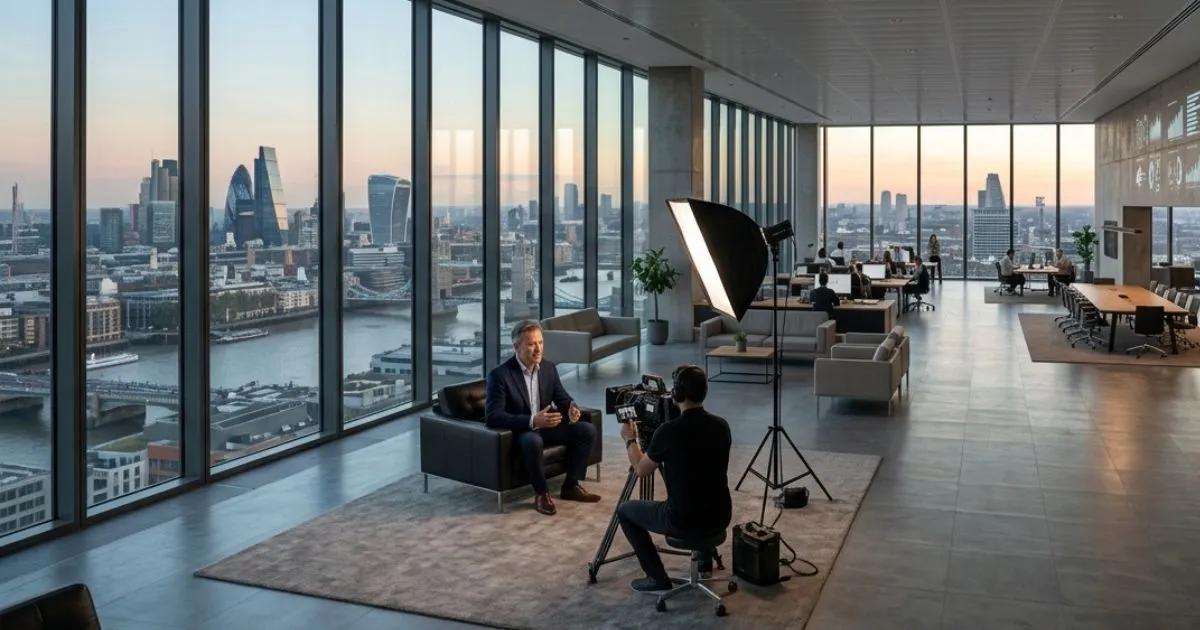
A promo video is a brand-focused film, usually one to three minutes long, that tells people who you are, what you do and why you're worth choosing. It's typically built around interviews with your team or customers, footage of the business at work and a clear storyline.
It lives wherever people are finding out about you:
- Your homepage and about page
- Sales presentations and proposals
- Trade shows and events
- Organic social media and YouTube
- Recruitment pages
Because it isn't tied to a campaign, a good promo video stays useful until the business changes significantly. If you're about to write one, how to write a promo video script gives you a structure and a free template.
What is a social media ad video?
A social media ad video is a short video made for paid placement on platforms such as LinkedIn, Instagram, Facebook, TikTok or YouTube. Its job is narrow: grab attention in the first second or two, make one point, and prompt one action, such as visiting a landing page, booking a demo, registering for an event or buying a product.
Ads are usually:
- Short, often 6, 15 or 30 seconds
- Made in the right shape for each platform (vertical, square or landscape)
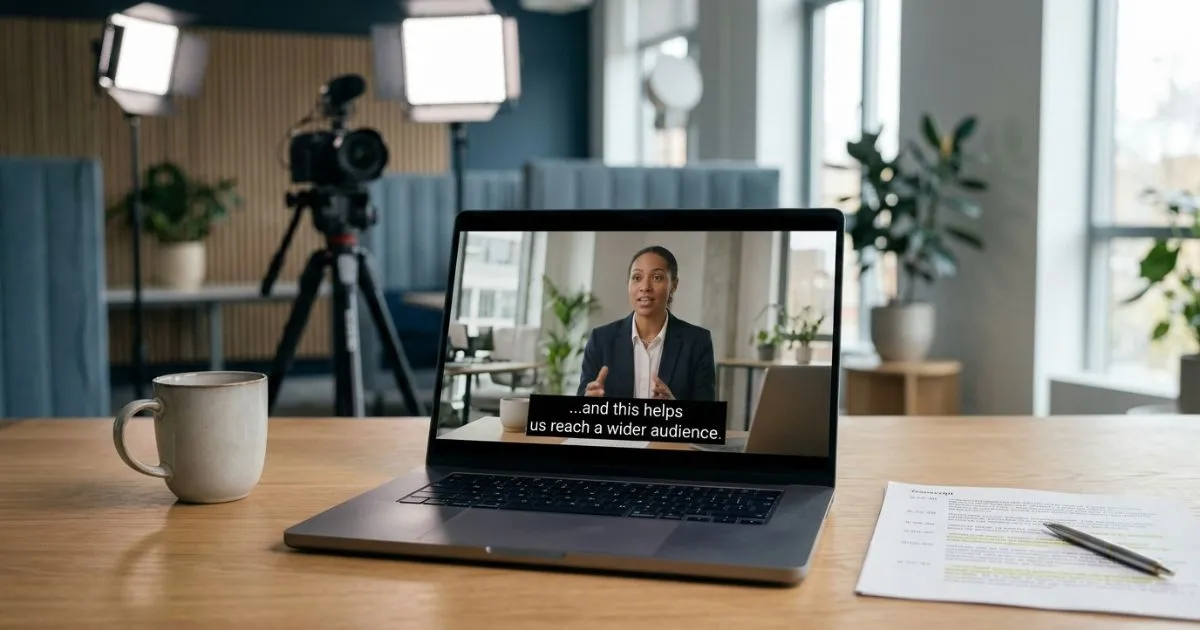
- Designed to work with the sound off, with captions and on-screen text
- Produced in several versions so you can test which performs best
Sound matters more than people expect. On LinkedIn, for example, video ads autoplay in the feed with the sound muted, and LinkedIn strongly recommends captions. An ad that relies on someone listening to the first ten seconds will lose most of its audience.
What are the key differences?
| What differs | Promo video | Social media ad |
|---|---|---|
| Main job | Explain the business and build trust | Get one specific action now |
| Typical length | 1 to 3 minutes | Usually under 30 seconds |
| Structure | A story, with room for interviews and context | A hook, one message, one call to action |
| Viewing conditions | Often watched on purpose, with sound | Seen while scrolling, often with sound off |
| Versions | One main film, maybe a short edit | Several variations, in several aspect ratios |
| Lifespan | Years, until the business changes | Weeks or months, until the campaign ends or the ad tires |
| How success is measured | Engagement, time on page, use in sales | Clicks, leads, cost per result |
When should you use a promo video?
Use a promo video when people need to understand and trust you before they'll act. It's the better choice if:
- Your service is complex or high-value
- You compete in a crowded market and need to show what's different about you
- Your website gets visitors who leave without getting in touch
- Your sales team keeps explaining the same things on every call
When should you use a social media ad?
Use a social media ad when you have a specific, measurable goal and a budget to put behind it. It's the better choice for:
- Lead generation campaigns
- Event or webinar registrations
- Launches and time-limited offers
- Retargeting people who've already visited your site
Ad platforms let you target audiences by location, job role, interests and past behaviour, and they report results in detail, so ads suit anything you want to test and measure.
How do promo videos and ads work together?
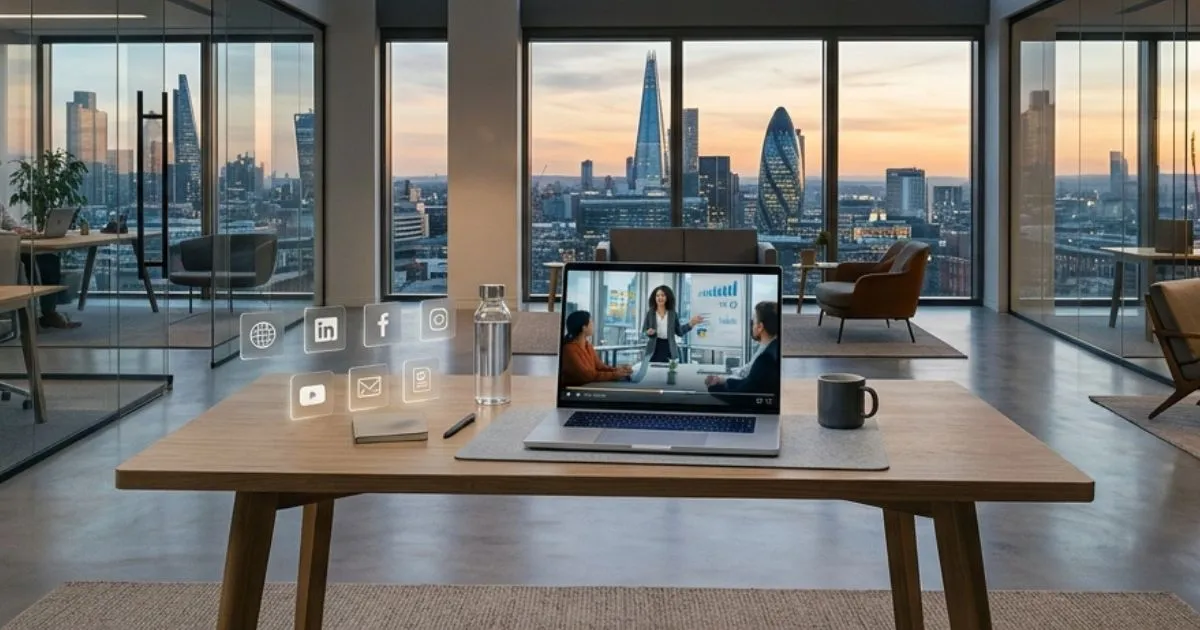
They work best as a pair. A typical path looks like this: someone sees a short ad in their feed, clicks through to your website, watches the promo video there, and then gets in touch. The ad gets attention; the promo video does the explaining. If both carry the same core message, the experience feels joined up.
Different platforms also suit different approaches. LinkedIn audiences are in a work mindset and respond to clear, useful content. On Instagram and TikTok, the visual hook in the opening moment matters most. Creating videos for different social media platforms goes into the differences.
Can a promo video be used as a social media ad?
Not as it is. A two-minute story-led film usually needs re-editing to work as an ad: a stronger opening, a single message, captions, a clear call to action and versions in vertical and square formats.
The efficient approach is to plan both from the start:
- Plan the promo video as the main film.
- While planning, identify the moments that could become ads: a striking visual, a single strong line from an interview, a quick product moment.
- Shoot extra material for the ads on the same day, framed for vertical where needed.
- Edit the promo film first, then cut several short ad versions to test.
This costs far less than two separate shoots, because the crew, locations and set-up are paid for once. As a guide (ex VAT), a 2 to 3 minute brand film from one full shoot day is typically about €4,350 to €5,200, and each extra social cut-down from the same footage is about €150 to €250. Mention the cut-downs you need when you ask for a quote, and see the corporate video cost guide for the full breakdown.

Why plan the video strategy before filming?
Because the decisions that make a video work (who it's for, where it'll be seen, what you want people to do) shape everything on the shoot day: what's filmed, how it's framed, how long the interviews run. A promo film for a homepage and an ad for a TikTok campaign need different footage. Deciding upfront means you get both without a second shoot.
Next step
If you're weighing up a promo film, social ads or both, our brand films and advertising page shows the kind of work involved, and the instant quote calculator emails you an estimate within minutes. For a related comparison, see corporate video vs brand video.
Written by Mango Media. Published , updated .