On this page
- Is short-form video still growing in 2026?
- Why does it matter that people watch YouTube on their TV?
- How is AI changing video production in 2026?
- Is AI dubbing worth using for international audiences?
- Why are creators and real people outperforming polished ads?
- Is LinkedIn video worth it for B2B?
- Do you need captions on every video?
- Which 2025 predictions didn't take off?
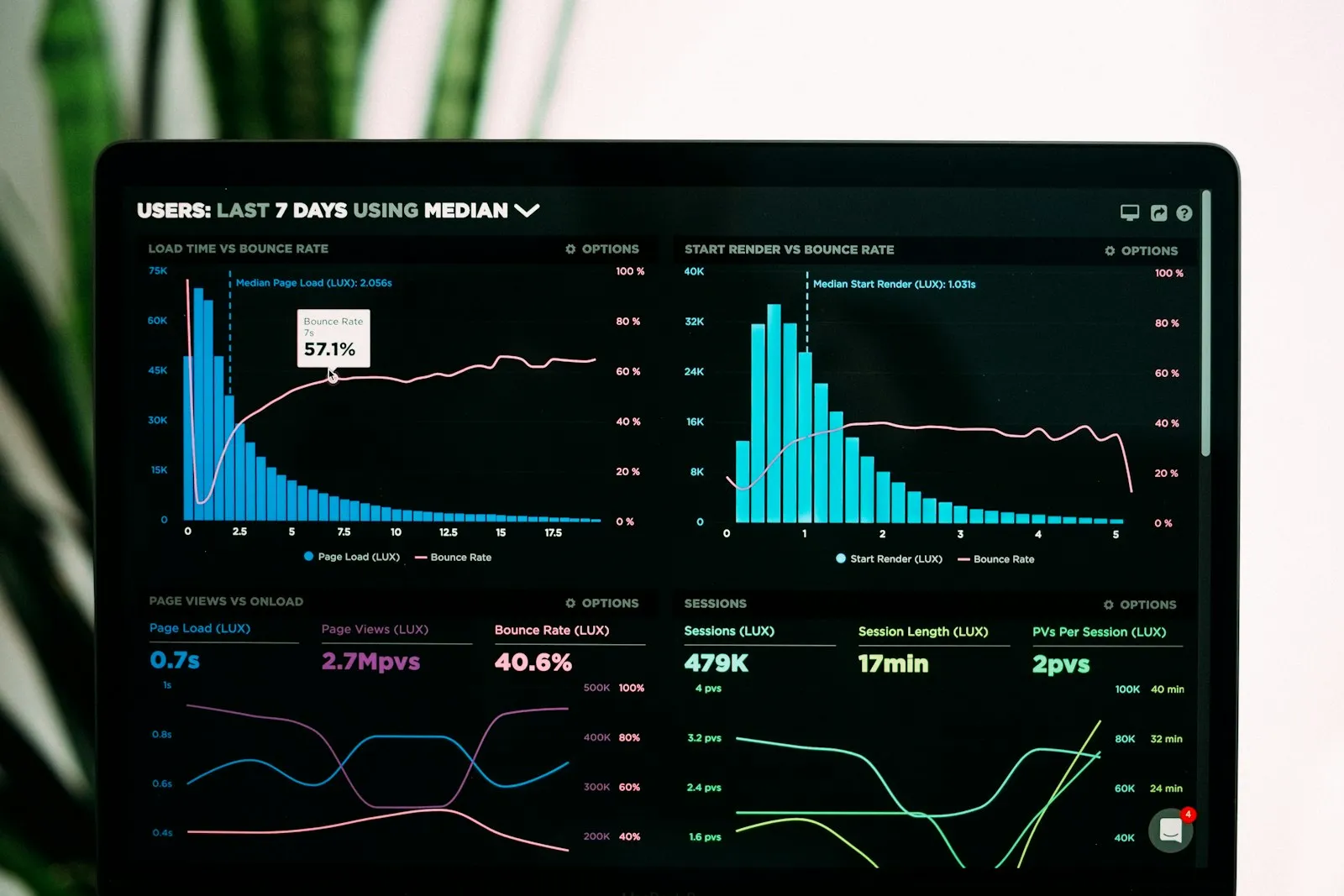
- How should you measure whether video is working?
- Next step
The video marketing trends that matter in 2026 are short-form video at huge scale, YouTube becoming a TV channel, AI moving into everyday editing and dubbing, people-led content from creators and staff, and LinkedIn turning into a serious video platform. Interactive, 360 and VR video remain niche. Here is the evidence for each, and what to do about it.
This post replaced our 2025 trends list. Some of those predictions held up, some didn't, and we've said which. For Ireland-specific data, see our Irish video marketing trends.
Is short-form video still growing in 2026?
Yes. YouTube Shorts now average over 200 billion views a day, according to YouTube's CEO in January 2026. In Wyzowl's 2026 survey, social media videos were the most common thing marketers made (69%), and 71% of marketers said videos between 30 seconds and two minutes work best.
What's changed is that short-form is now the default, not the experiment. The useful question is no longer "should we do Reels?" but "what is each clip for?" A short clip can earn attention, but it rarely explains a complex service or wins a tender on its own.
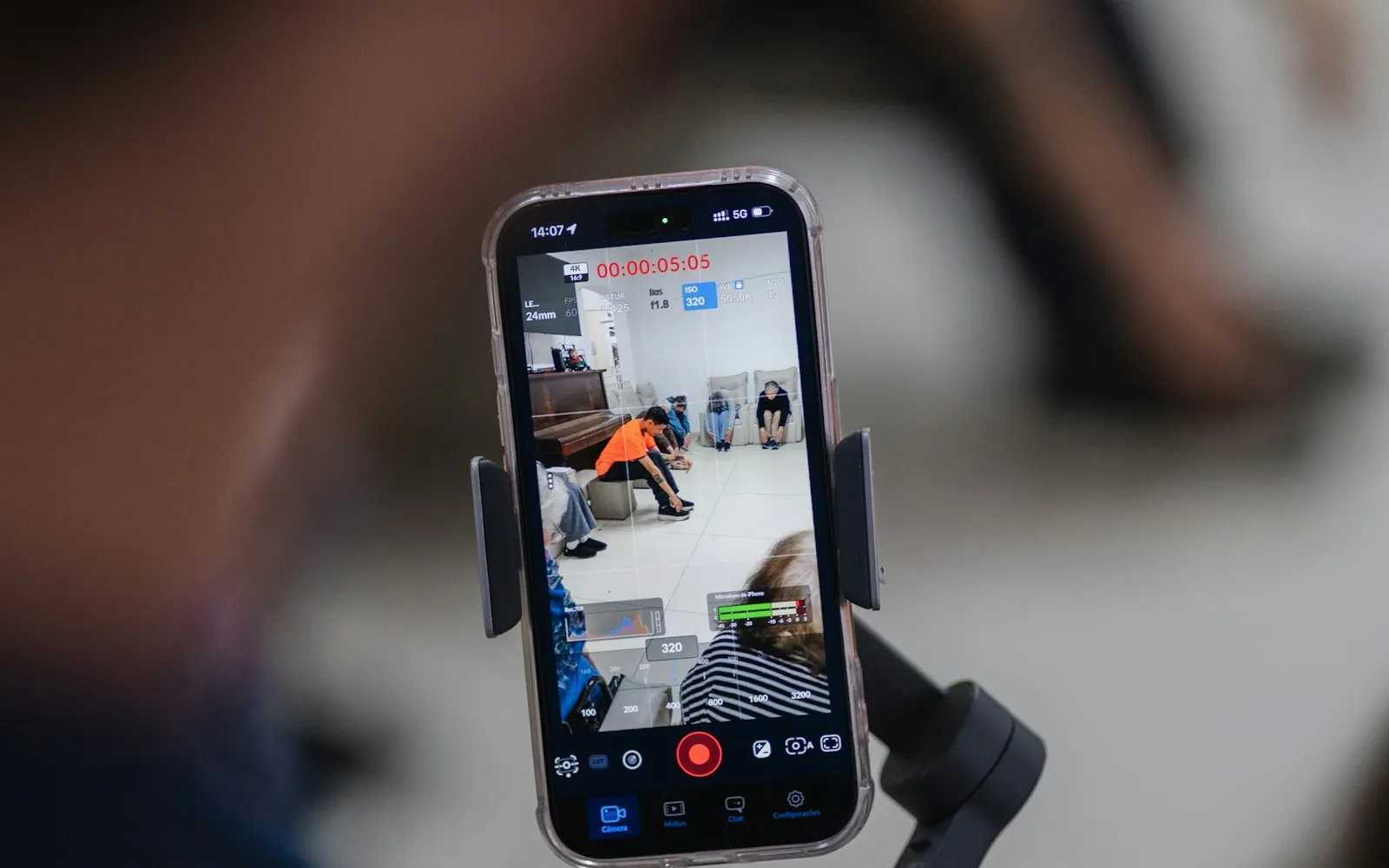
What to do: plan the cut-downs before the shoot, not after. If you're filming a corporate or brand film, ask for vertical framing and three or four short edits to be part of the plan from day one. Our guide on turning one video into ten pieces of content shows how.
Why does it matter that people watch YouTube on their TV?
Because your "online video" may now be watched on a 55-inch screen. Viewers watch over one billion hours of YouTube on TV sets every day (YouTube, June 2025). In the US, YouTube took a record 14.2% of all TV viewing in July 2026, more than any other media company, and streaming as a whole reached 49% (Nielsen, September 2026).
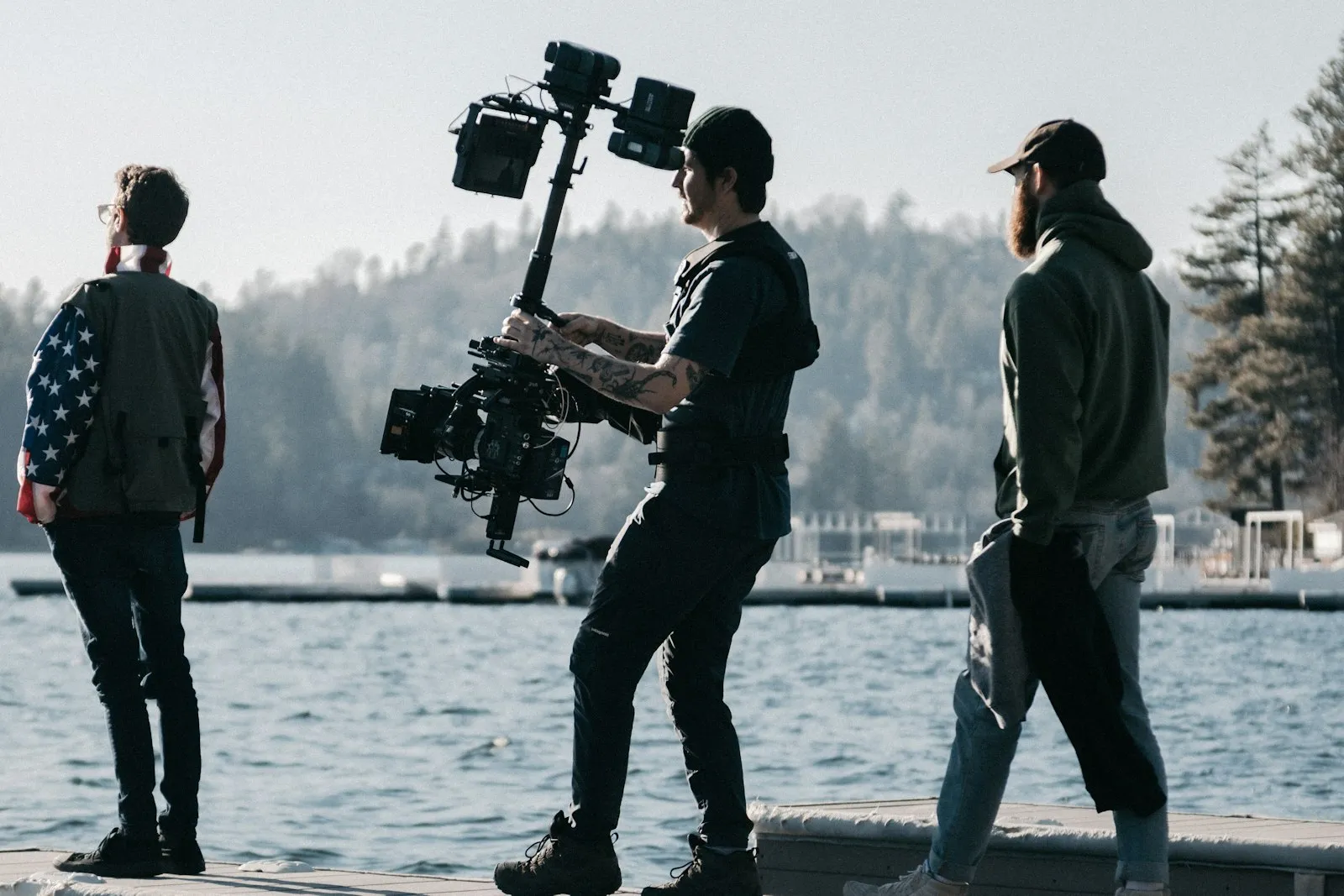
What to do: don't assume everything is watched on a phone. Longer films on YouTube (case studies, documentaries, event highlights) need picture and sound that hold up on a big screen. That's an argument for proper lighting and audio on anything with a long shelf life, and for horizontal masters alongside the vertical cut-downs.
How is AI changing video production in 2026?
AI is now part of ordinary editing rather than a novelty. 63% of video marketers have used AI tools to create or edit video, up from 51% a year earlier (Wyzowl, 2026). On YouTube, more than a million channels a day used its built-in AI creation tools in December 2025 (YouTube, January 2026).
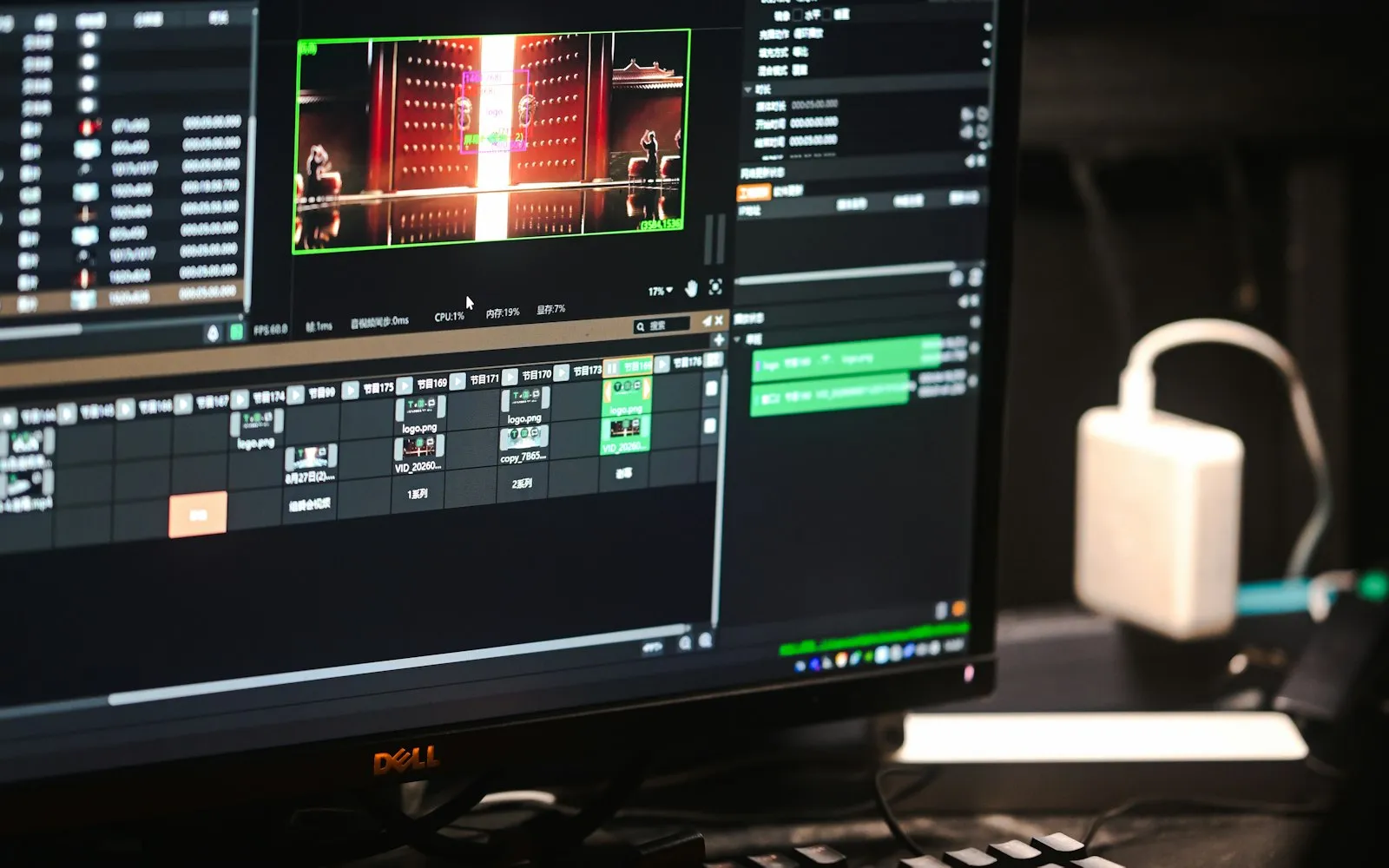
The biggest practical gains are in the dull jobs: transcripts, rough captions, cleaning up noisy audio and finding clips in hours of footage. We go into the detail in how AI is changing video production.
Two cautions. First, in the EU, anyone who publishes a deepfake (AI-made or AI-altered video of a real-looking person, place or event) must now say so, under Article 50 of the EU AI Act, which has applied since 2 August 2026. Second, 89% of consumers say a video's quality affects how much they trust a brand (Wyzowl, 2026), so AI shortcuts that look cheap can cost you more than they save.
Is AI dubbing worth using for international audiences?
It's worth testing. YouTube says more than six million people a day watched at least ten minutes of automatically dubbed content in December 2025 (YouTube, January 2026). For an Irish company selling into Europe, a dubbed or subtitled version of a product or recruitment film is now cheap to try.
What to do: keep your master files clean, with dialogue, music and effects on separate tracks and no text burned into the picture. That makes translation, subtitles and dubbing far easier later. Always have a native speaker check anything client-facing.
Why are creators and real people outperforming polished ads?
Audiences increasingly get information from individuals rather than institutions. Almost half (46%) of people across 48 countries get some news from creators of some kind (Reuters Institute Digital News Report, 2026). The same pull applies to brands: a credible person talking plainly on camera often holds attention better than a voiceover over stock footage.
What to do: put your own people on camera, from founders and engineers to customers. That doesn't mean low quality. It means good sound, natural light, and interviews that sound like conversations. If your team is nervous, our guide on getting comfortable on camera helps.
Is LinkedIn video worth it for B2B?
Increasingly, yes. LinkedIn says paid video advertising grew nearly 30% year on year, on a platform of more than 1.3 billion members (LinkedIn, April 2026). LinkedIn is now the second most used platform for marketing video after YouTube, used by 70% of video marketers (Wyzowl, 2026).
What to do: treat LinkedIn as a place for substance: client stories, short explainers, recruitment and leadership pieces. Upload the video natively, add captions, and put the point in the first few seconds. More in the best types of video for B2B companies.
Do you need captions on every video?
In practice, yes. Many people watch with the sound off, and captions also make video accessible to people who are deaf or hard of hearing. For some businesses it's becoming a legal question as well: the European Accessibility Act has applied since June 2025 to a defined list of products and services, including e-commerce, banking and services that give access to audiovisual media. If you're in scope, check what it means for your video.
Every Mango project includes captions as standard.
Which 2025 predictions didn't take off?
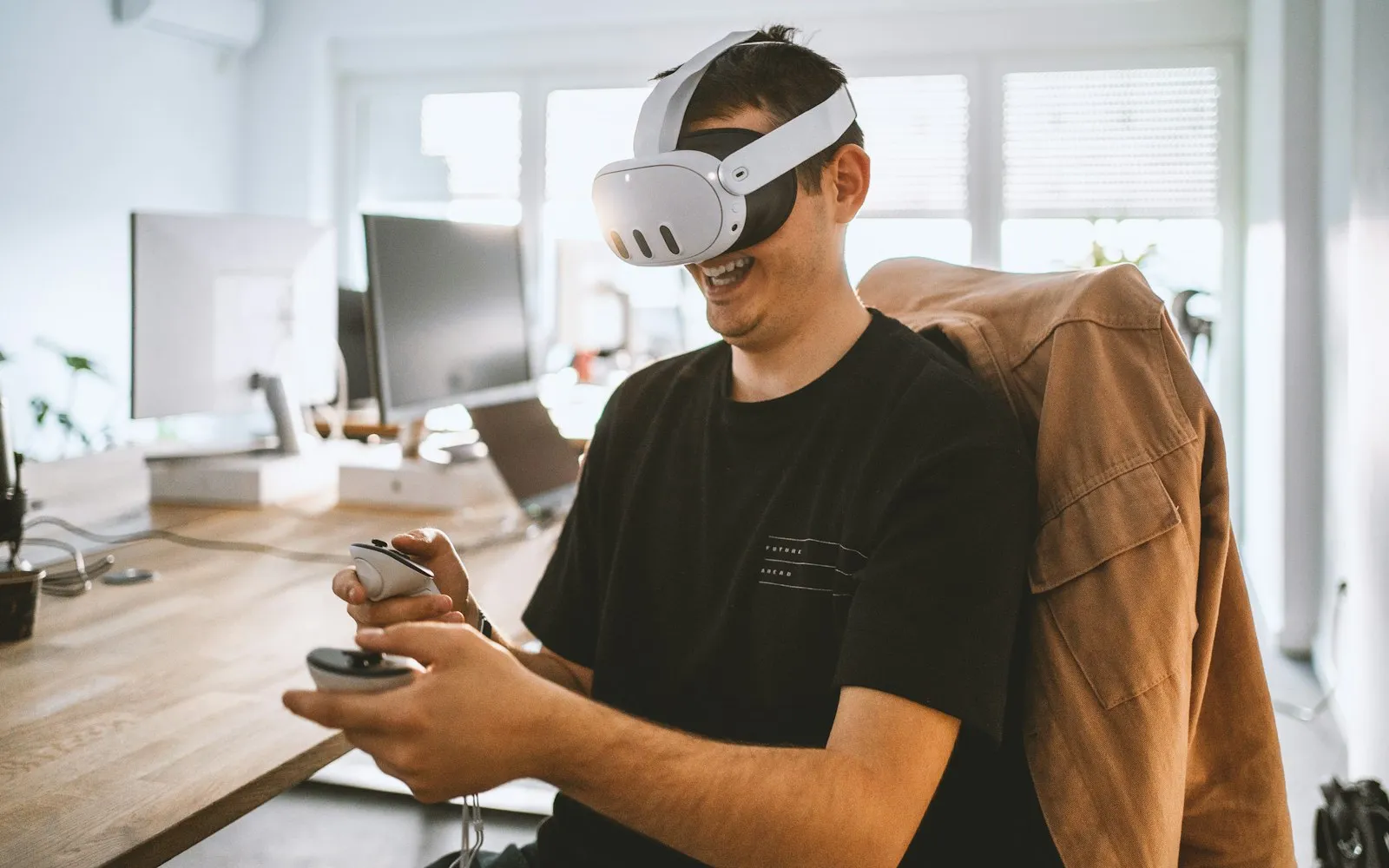
Interactive video, 360 video and VR were all tipped for big things. They remain niche. In Wyzowl's 2026 survey, only 31% of video marketers used interactive video, 19% VR and 18% 360 video, and these were among the formats least often rated effective (Wyzowl, 2026). Netflix removed its last interactive specials, including Black Mirror: Bandersnatch, in May 2025 (VGC).
They still have good uses (a 360 venue tour, clickable chapters in a training video), but they're specialist tools, not the next default. We look at each in interactive video, 360-degree video and VR and AR.
How should you measure whether video is working?
Measure the outcome, not just the views. Most marketers still judge video on views (67%) and likes or shares (63%), while only 32% measure it against sales (Wyzowl, 2026). Views tell you a video was seen. Enquiries, applications and sales tell you it worked. See how to measure the ROI of video marketing.
Next step
If you're planning a film this year and want it to work across phones, LinkedIn and the big screen, our instant quote calculator emails you an estimate within minutes. Or browse our recent work to see what we make.
Written by Mango Media. Published , updated .
Add Mango Media as a preferred source on Google