
In today’s oversaturated inboxes, getting your email noticed — let alone opened — is no easy feat. In this article, we’ll explore the power of video in email campaigns, how to embed video content the right way, best practices to maximise performance, and how to track your results. Whether you’re a startup, marketer, or creative agency, using video in your emails can be a game-changer for audience retention and conversions.
2026 Animation Pricing Breakdown
In our experience partnering with B2B brands across Dublin, Cork, and Galway, we’ve found that the most successful projects aren't defined by the biggest budget, but by the clearest strategy. Understanding the landscape of Irish production requires looking past the invoice and into the specialized skill sets required to compete in a global digital economy. Most professional animated videos in the current Irish market fall into these four categories:

- Basic Motion Graphics (€2,500 – €4,500): Best for simple UI demos, internal communications, or basic icon-based explainers. This tier typically utilizes existing brand assets and clean, geometric shapes to convey information without the need for complex character movements. It is a highly efficient choice for companies needing to explain a straightforward software update or a corporate policy change.
- Standard B2B Explainer (€4,500 – €8,000): Our most common request. Ideal for SaaS products, service overviews, and website "hero" videos. This level of production introduces professional scriptwriting and custom-designed elements that align perfectly with your brand’s visual identity. It is the "sweet spot" for Irish SMEs looking to increase their conversion rates on landing pages.
- Premium Custom 2D (€8,000 – €12,000): High-end brand storytelling featuring bespoke illustrations and fluid, custom characters. At this level, every frame is a piece of art. We move away from generic movements into "rigged" character animation, where human-like expressions and physics-based motion create a deeper emotional connection with the viewer.
- High-End 3D / Isometric (€12,000+): Required for complex tech hardware, MedTech visualizations, or cinematic brand films. 3D animation involves a significantly more technical pipeline, including modeling, texturing, lighting, and rendering. For Ireland’s booming pharmaceutical and medical device sectors, this is often the only way to accurately depict microscopic processes or internal hardware mechanics.
Pro Tip: In 2026, "cheap" animation is often more expensive in the long run. High-quality production ensures your brand looks established, whereas low-quality motion can actually increase "bounce rates" on your landing page. If a viewer perceives a video as "amateur," they subconsciously transfer that perception to your product or service, potentially damaging years of brand building.
6 Key Factors That Influence Your Quote
When you receive a quote for an animated project, it is a calculation of "man-hours" and expertise. Here is what drives the price:

1. Style and Visual Complexity
A "whiteboard" animation uses simple paths and is highly affordable. Conversely, custom character animation requires an illustrator to design unique assets and an animator to "rig" them for fluid movement.
- Low Complexity: Icon-based motion graphics. These rely on kinetic typography and simple vector shapes.
- High Complexity: Frame-by-frame hand-drawn animation or 3D modelling. This requires a much higher level of artistic mastery and significantly longer render times.
In 2026, visual complexity also includes the "depth" of the art direction. A video with one background is significantly cheaper than a video that travels through ten different custom-illustrated environments. Each new environment requires a separate design phase, lighting setup, and asset creation, which adds layers of time to the production schedule.
2. Video Duration
In animation, every second is a "frame" that must be designed. While a 90-second video isn't exactly double the work of a 60-second video, it significantly increases the time spent in the "motion" phase. Most Irish agencies use a 60-second baseline for pricing.
- The 2026 Trend: We are seeing a shift toward shorter, high-impact videos. A 60-second video often performs better than a 3-minute one because it respects the viewer's time and focuses on a single, clear message. In an era of shrinking attention spans, brevity is not just a cost-saver; it’s a strategic advantage for engagement.
3. Scriptwriting and Messaging Strategy
The best visuals cannot save a poor script. A professional production includes a strategy phase where a writer refines your "hook" and your Call to Action (CTA). If the message is muddled, the most expensive 3D animation in the world won't drive sales.
Pro Tip: A professional scriptwriter knows how to pace a 60-second video (roughly 140–150 words). Overstuffing the script leads to a rushed, low-quality feel. It forces the animator to move too quickly, preventing the audience from absorbing key information.x
- The Strategy Factor: Agencies often spend 10–15 hours just on the "Discovery" and "Messaging" phase. This ensures the video speaks to the pain points of your Irish or global audience, rather than just listing features. We look at your competitors, your unique selling proposition (USP), and the specific "emotional trigger" that makes your customer want to click "Buy."
4. Voiceover Talents and Licensing
Professional voiceover (VO) costs vary based on the artist’s experience. A "web-only" license is standard, but if you plan to run the video as a TV ad or a paid YouTube pre-roll, additional usage fees will apply.
- Regional Accents: For the Irish market, choosing the right regional accent (e.g., a neutral Dublin tech tone vs. a warm, trust-based Munster accent) can significantly impact how your brand is perceived locally. In 2026, authenticity is everything. Irish consumers are highly attuned to "over-polished" international voices, often preferring a voice that sounds like a peer rather than a salesperson.
5. Sound Design and Audio Mixing
Great animation feels "flat" without sound design. This includes Foley (subtle sound effects like clicks or swooshes), licensed music that matches your brand’s energy, and professional mixing to ensure the voiceover is crystal clear.
- Sensory Branding: High-end projects in 2026 often include "Audio Branding"—unique sound cues that viewers associate with your brand, similar to the Netflix "tudum" sound. By investing in custom audio cues, you are building a brand that can be recognized with eyes closed, adding a layer of professional polish that separates industry leaders from followers.
6. The Production Team Structure
The way a team is organized directly impacts your final quote and the stress level of the project.
- Freelancer: Usually cheaper, but you act as the project manager and creative director. If the freelancer gets sick or hits a creative block, your project stalls. You are also responsible for ensuring all the different parts—the script, the VO, and the art—fit together seamlessly.
- Agency: Provides a dedicated producer, art director, and lead animator to ensure the project meets a high "commercial" standard and hits your deadlines. The higher cost reflects the "safety" of a guaranteed, high-quality delivery. Agencies have internal quality control processes that catch errors before you ever see them.
The Production Process: Where Your Money Goes
To understand the 2026 pricing model, you have to look at the labor-intensive workflow. A typical 60-second professional explainer involves roughly 150 to 200 hours of specialist work. This isn't just "drawing"; it is a complex engineering project for the eyes.
- Discovery & Research (10% of Budget): Understanding your USP and competitor landscape. We dive deep into your brand guidelines to ensure the animation doesn't just look good, but looks like you.
- Scripting (15% of Budget): Crafting the narrative arc. This involves multiple revisions to ensure every word is pulling its weight and leading toward the final CTA.
- Concept & Style Frames (15% of Budget): Designing the "look" before anything moves. This is where we decide on color palettes, line weights, and character designs.
- Storyboarding (15% of Budget): Planning every camera angle and transition. This is the "blueprint" of the video, ensuring there are no surprises during the animation phase.
- Animation & Voiceover (35% of Budget): The "heavy lifting" of making the art move. This is the most time-consuming phase, where timing, easing, and secondary motion are applied to bring the storyboard to life.
- Sound Design & Final Mix (10% of Budget): Adding the final layer of professional polish. This is the "glue" that holds the visual and narrative elements together.
How to Maximise Your Budget (Without Losing Quality)
Focus on the "First 10 Seconds"
Viewers decide whether to keep watching almost instantly. Invest your creative budget into a high-impact opening. If the start is engaging, the rest of the video can use simpler motion graphics without losing the audience. This "front-loading" of quality ensures you capture the lead before the scroll-away reflex kicks in.
- Retention is Revenue: Data shows that if you hook a viewer for the first 10 seconds, they are 65% more likely to watch the entire video. In the 2026 attention economy, those first ten seconds are the most valuable real estate in your entire marketing funnel.
The "Modular" Approach
Ask your partner to design assets that can be "broken apart." A 90-second explainer can often be sliced into three 15-second social media clips, effectively tripling your content output for a fraction of the cost.
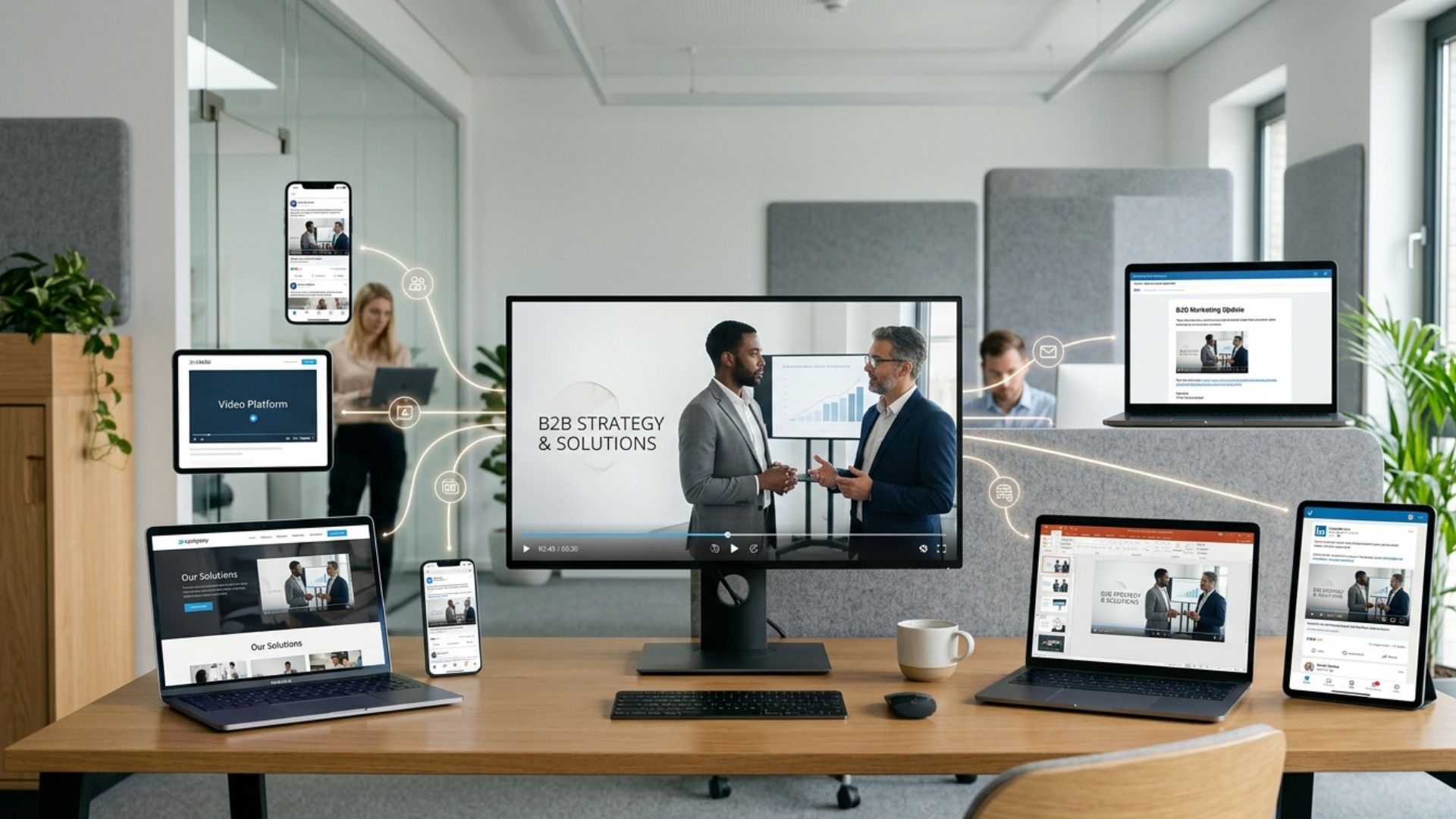
- Multi-Channel Strategy: Use the main video for your website, a 15-second "teaser" for LinkedIn, and a silent version with captions for social feeds.
Limit Revisions through Storyboarding
Revisions during the "animation" phase are expensive. Revisions during the "storyboarding" phase (static drawings) are free. Be ruthless during the storyboard stage so that once animation starts, no major changes are needed. Changing a character’s shirt color is easy in a drawing; it is a nightmare once that character is moving in 500 different frames.
- Approval Gatekeeping: Ensure all key stakeholders (including the CEO or Head of Sales) sign off on the storyboard to avoid "Scope Creep" later in the process. Having "too many cooks in the kitchen" at the final render stage is the fastest way to blow a production budget.
Why Irish Businesses Need Animation in 2026
In a crowded digital marketplace, video is no longer "optional." It is the primary way people consume information and make purchasing decisions.
- SaaS & Tech: Animation allows you to show the "magic" of your UI in a way text cannot. You can zoom in on specific features or show data flowing through a system—things that are impossible to capture with a screen recording. It allows you to "clean up" a complex interface so the viewer focuses only on the value.
- Healthcare & Pharma: Ireland is a global hub for MedTech; animation can go "inside the body" or "inside the machine" safely. It bypasses the need for expensive, sterile-environment film shoots while maintaining total scientific accuracy. It is the perfect tool for patient education and high-stakes investor pitches.
- Recruitment: Show potential hires your company culture through vibrant motion design. In the competitive "War for Talent" in 2026, a 30-second animated culture video can be more persuasive than a 10-page careers brochure. It shows that your company is forward-thinking and willing to invest in its image.
- SEO Benefits: Google’s 2026 algorithms prioritize "Dwell Time." Pages with video keep users on-site for an average of 2 minutes longer, signaling to search engines that your content is valuable and high-quality. This "video-first" SEO strategy is essential for ranking in competitive Irish search results.
The ROI of Professional Animation
While the upfront cost can seem significant, the return on investment (ROI) of a high-quality video is measurable. A well-placed explainer can reduce support tickets by explaining complex features upfront, increase email click-through rates by up to 300%, and significantly shorten the sales cycle by answering common questions before a prospect even speaks to a sales rep. In 2026, the question isn't "Can we afford to do this?" but "Can we afford to let our competitors have the better video?"
From Research to Results
Knowing the numbers is the first step; turning that budget into a high-converting sales asset is the next. The Irish market is sophisticated, and your audience expects a level of quality that reflects the professionalism of your services. If you have a message that needs simplifying, it's time to stop researching and start building.

Make it Happen with Mango Media
We specialise in high-impact animation that builds trust and closes deals for Irish businesses. Our process is designed to be collaborative, transparent, and—most importantly—focused on your bottom line. Ready to see what's possible?
- Explore our Animation Services to see our past work across various industries.
- Use our Instant Price Calculator for a transparent, no-surprises estimate.
- Get in touch for a no-obligation conversation about your 2026 video strategy.
By aligning your budget with a clear strategic goal, you ensure that your animated explainer isn't just a cost on a balance sheet, but a powerful engine for growth.
Frequently Asked Questions
How much does a 60-second animated video cost in Ireland?
For a professional, custom-branded 60-second explainer in 2026, Irish businesses should budget between €4,500 and €8,000. While you can find cheaper options via global freelancer platforms, this range covers the local expertise, project management, and strategic scriptwriting required to compete in the Dublin tech and SME landscape. If your project involves complex 3D modeling or high-end character rigging, expect quotes to start closer to €12,000.
How long does it take to make an explainer video for a business?
A typical professional animation project takes 4 to 8 weeks from the initial kickoff to the final render. This timeline is necessary to allow for the multi-stage approval process, which includes scriptwriting (Week 1), storyboarding (Week 2-3), and the labor-intensive animation and sound design phase (Week 4-8). If you have a firm deadline—such as a product launch or a trade show—most agencies offer "rush" production for an additional fee.
Is 2D or 3D animation better for marketing my product?
The choice depends on what you are selling. 2D Animation is the "gold standard" for SaaS, software, and service-based businesses because it simplifies abstract concepts quickly and cost-effectively. 3D Animation is superior for physical products (like MedTech devices or hardware) where you need to show realistic textures, depth, and internal mechanics. While 3D is more visually "impressive," it typically costs 2x to 3x more than 2D and takes longer to produce.
Similar blogs:















![How to Write a Promo Video Script (Free Template Included) [2026 Guide]](https://cdn.prod.website-files.com/6226fcc37e2eb518b6e69a7f/69c3804c0b9ea78696bd89e0_covertab11.jpeg)


.jpg)
%20(1)%20(1).jpg)
.jpg)




We'd love to hear from you! Reach out to us today for a chat about our services, pricing, or just to say hello!


