
In today’s oversaturated inboxes, getting your email noticed — let alone opened — is no easy feat. In this article, we’ll explore the power of video in email campaigns, how to embed video content the right way, best practices to maximise performance, and how to track your results. Whether you’re a startup, marketer, or creative agency, using video in your emails can be a game-changer for audience retention and conversions.
Is Drone Video Legal in Ireland? (IAA Rules Explained)
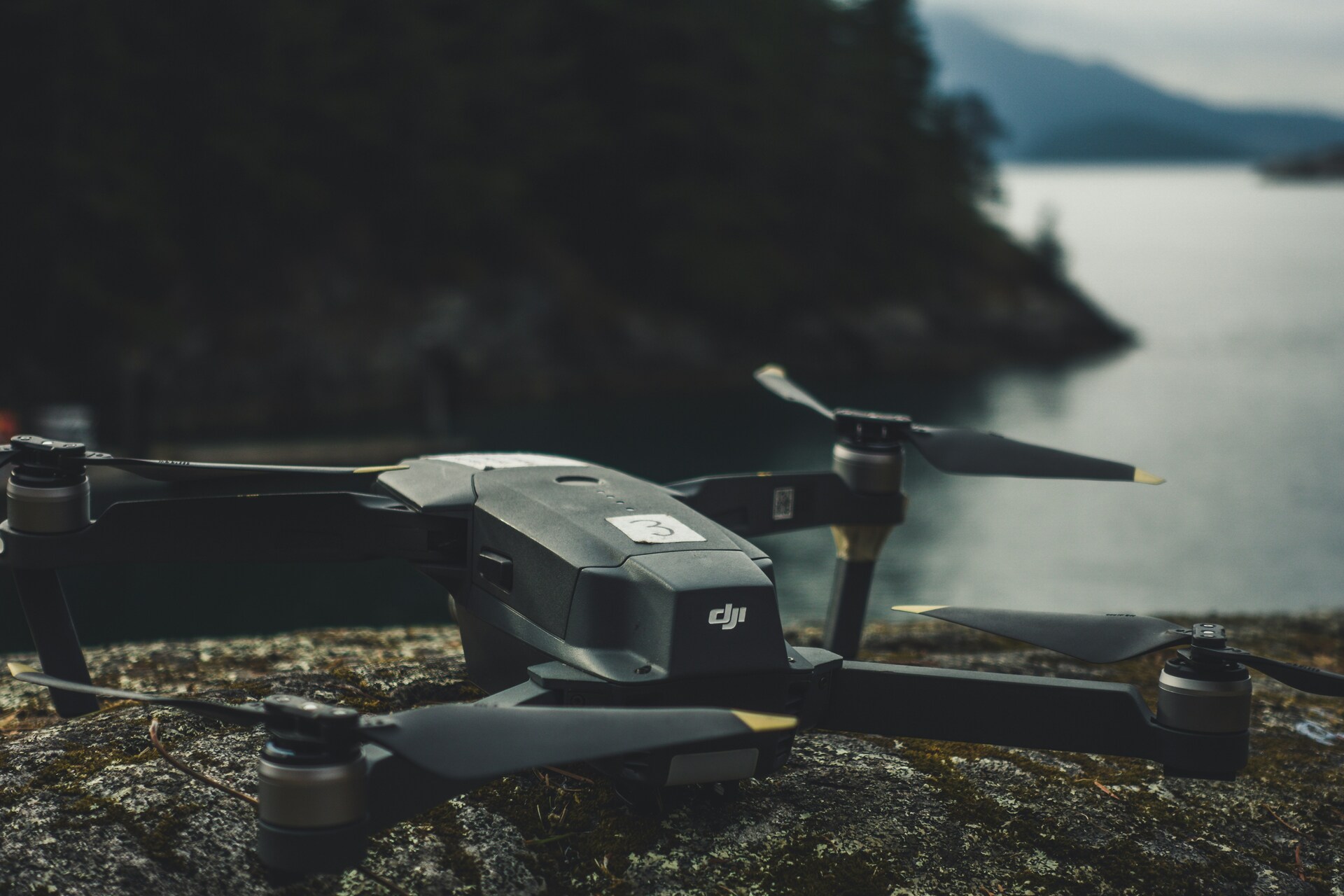
Drone filming is legal in Ireland, but it must follow Irish Aviation Authority (IAA) and EU regulations. Commercial drone operators must be registered, certified, and insured, and flights are subject to restrictions based on location, airspace, and proximity to people. In most cases, drone filming requires permission from landowners or site managers, and additional approval may be needed in controlled or urban areas. For businesses, working with a licensed drone operator ensures compliance, safety, and usable footage.
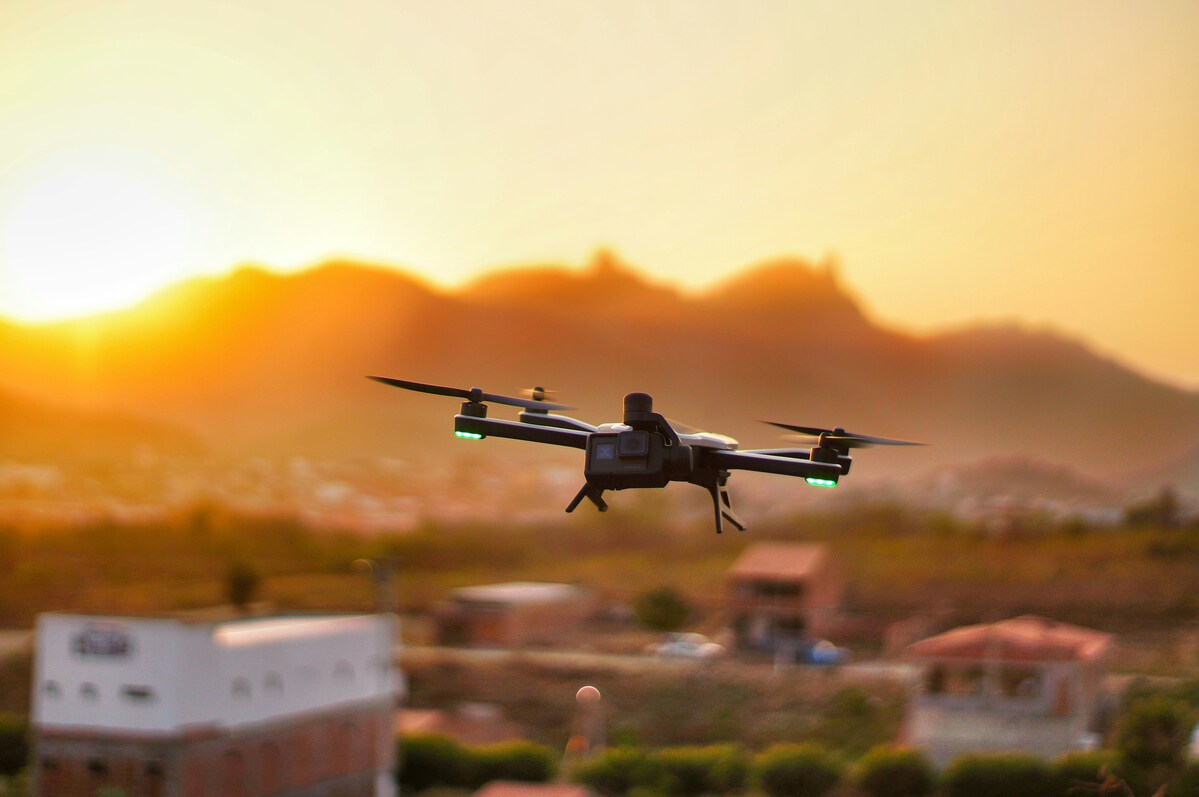
Drone filming in Ireland is regulated by:
- The Irish Aviation Authority (IAA)
- EU drone laws under EASA
These rules are designed to ensure:
- Public safety
- Controlled use of airspace
- Responsible drone operations
There are clear guidelines around:
- Where you can fly
- How close you can get to people and structures
- What type of operation is allowed
To add context, these regulations are part of a wider European framework that standardises drone use across EU member states. This means that operators in Ireland are working within a consistent system that applies across multiple countries, improving safety and accountability.
This standardised framework also helps reduce confusion for businesses commissioning drone work, because it creates a more structured process around certification, insurance, and operational planning. While the specific details of a shoot still depend on the location and risk level, the overall approach is more predictable than many clients assume. That is useful for both local Irish businesses and international companies producing content in Ireland.
Drone operations are typically divided into categories such as Open, Specific, and Certified, depending on risk level. Most commercial filming falls under:
- Open Category (lower-risk environments, strict limitations)
- Specific Category (higher-risk environments requiring additional approvals)
To better understand how these categories apply:
- Open Category
- Suitable for low-risk filming
- Strict rules on proximity to people
- No prior authorisation required if compliant
- Suitable for low-risk filming
- Specific Category
- Required for more complex shoots
- Includes urban filming or higher-risk environments
- Requires operational authorisation and documented risk assessment
- Required for more complex shoots
For businesses planning a shoot, these rules can feel unclear at first — particularly when filming in more complex environments like cities or active sites. In practice, most compliant drone filming in Ireland comes down to careful planning, risk awareness, and understanding how regulations apply in real-world scenarios.
Who Can Legally Operate a Drone for Commercial Video in Ireland?
Not everyone is legally allowed to carry out commercial drone filming in Ireland.
Professional operators must:
- Be registered with the Irish Aviation Authority
- Hold appropriate EU drone certification (A1/A2/A3 or equivalent)
- Operate within approved categories
- Have public liability insurance
- Conduct risk assessments before filming
In addition to these requirements, operators are also expected to:
- Maintain visual line of sight during flights
- Follow altitude restrictions
- Avoid restricted or prohibited airspace
- Ensure drones are properly maintained and safe to operate
This is important for businesses, as hiring the wrong operator can create legal and insurance risks.
A professional video team will manage:
- Compliance
- Planning
- Safety
They will also typically handle:
- Pre-flight safety checks
- Weather condition monitoring
- Equipment redundancy (backup drones or batteries)
- On-site safety coordination
From a client perspective, this removes complexity and ensures everything is handled correctly.
Where Can You Fly a Drone in Ireland? (Allowed vs Restricted Areas)
Where you can legally fly a drone in Ireland depends on location, surrounding people, and airspace restrictions.
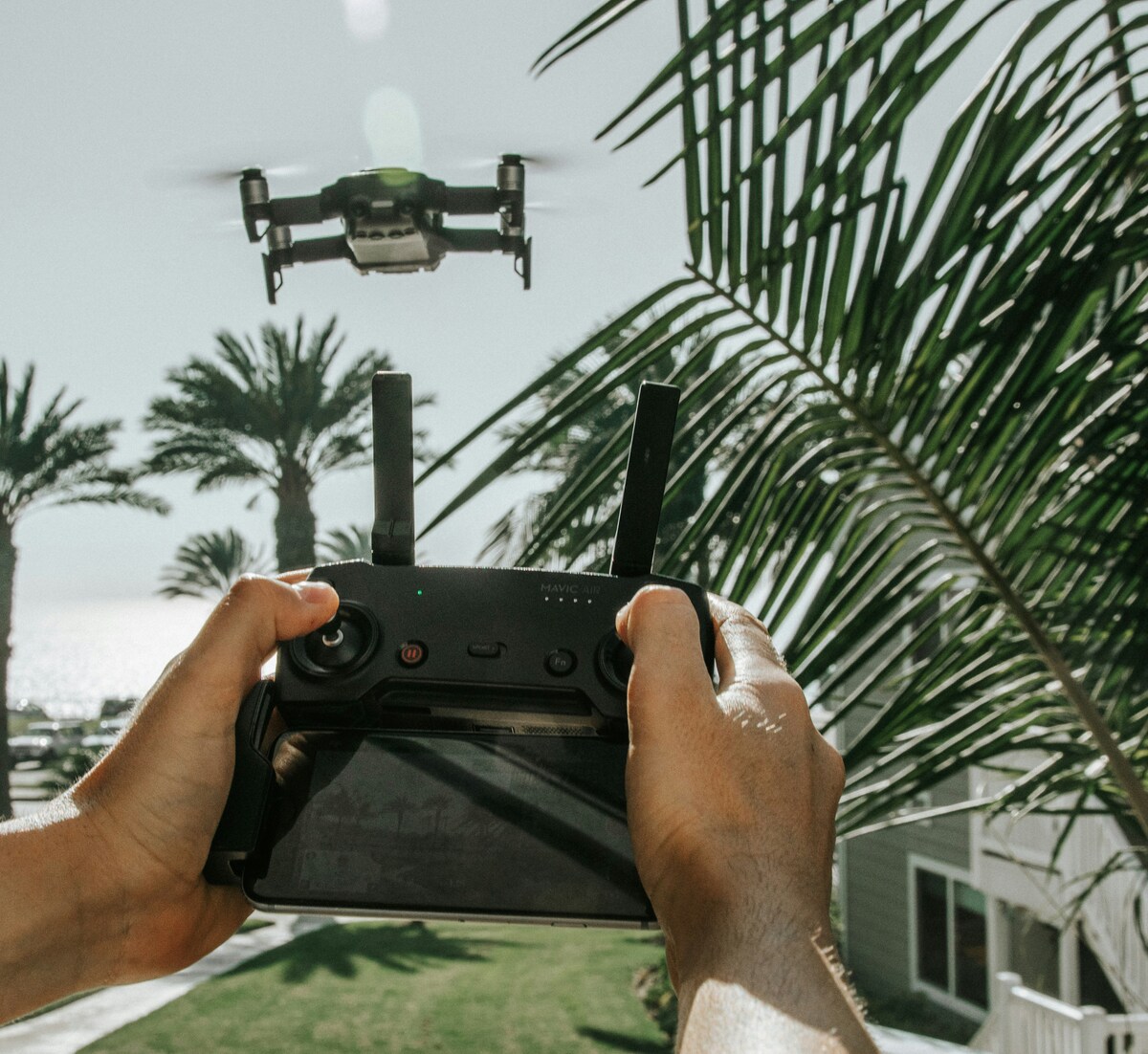
Generally allowed (with permission)
- Private property (with owner consent)
- Hotels and resorts
- Golf courses
- Business parks
- Construction sites
- Rural or open areas
These locations are ideal because they allow for safer and more controlled filming conditions.
They also tend to offer:
- More flexibility in take-off and landing zones
- Lower risk of public interference
- Easier compliance with safety distances
Additional advantages include:
- Better control over access and movement
- Reduced need for crowd management
- Fewer regulatory complications
Restricted or controlled areas
- Near airports or flight paths
- City centres
- Busy public spaces
- Government or sensitive locations
Drone filming in these areas may still be possible, but it requires:
- Additional planning
- Permissions or approvals
- Stricter safety measures
Additional considerations in restricted areas may include:
- Temporary airspace restrictions
- Coordination with aviation authorities
- Increased insurance requirements
- Detailed operational risk assessments
In some cases, operators may also need to:
- Submit flight plans in advance
- Coordinate with air traffic control
- Implement exclusion zones for public safety
Can You Use a Drone in Dublin or Irish Cities?
Drone filming in Dublin and other Irish cities is possible, but it comes with additional restrictions and planning requirements.

Urban environments introduce:
- Higher population density
- Limited safe launch zones
- Increased safety risks
- Airspace limitations
Urban filming can also be complicated by practical issues such as parked vehicles, pedestrian routes, nearby construction, reflective glass, narrow lanes, and limited access for crew setup. Even if a location looks suitable in photos, it may prove unsuitable once the team arrives and assesses the real conditions on the ground.
Additional challenges in cities include:
- Narrow spaces for safe operations
- Increased likelihood of obstacles
- Limited ability to maintain safe distances
As a result, filming typically requires:
- Detailed risk assessments
- Defined take-off and landing zones
- Crowd control planning
- Coordination with local authorities
Additional steps may also involve:
- Applying for operational authorisation under the Specific Category
- Conducting site recce (pre-shoot location inspections)
- Scheduling shoots during quieter times to reduce risk
In many cases, early morning or controlled access environments are used to reduce complexity and ensure safety.
This is why city drone filming should always be handled by experienced professionals.
What Permissions Do You Need for Drone Filming in Ireland?
Before any drone video shoot in Ireland, it is important to understand what permissions may be required.
These can include:
- Landowner approval
- Venue or site permission
- Local authority notification
- Event organiser approval
- Airspace authorisation
Depending on the project, additional permissions may also include:
- Filming permits for commercial production
- Coordination with security or facility management
- Insurance documentation submission
Other potential requirements:
- Data protection considerations when filming people
- Notification of nearby stakeholders or businesses
- Written consent for filming in private or restricted areas
Each project varies depending on:
- Location
- Scale
- Presence of people
- Risk level
A professional drone team will handle all planning, paperwork, and compliance before filming begins.
What Is Drone Video Used For in Ireland? (Business Use Cases)
Drone video is widely used across Irish businesses because it allows companies to showcase scale, location, and environment more effectively than standard video.
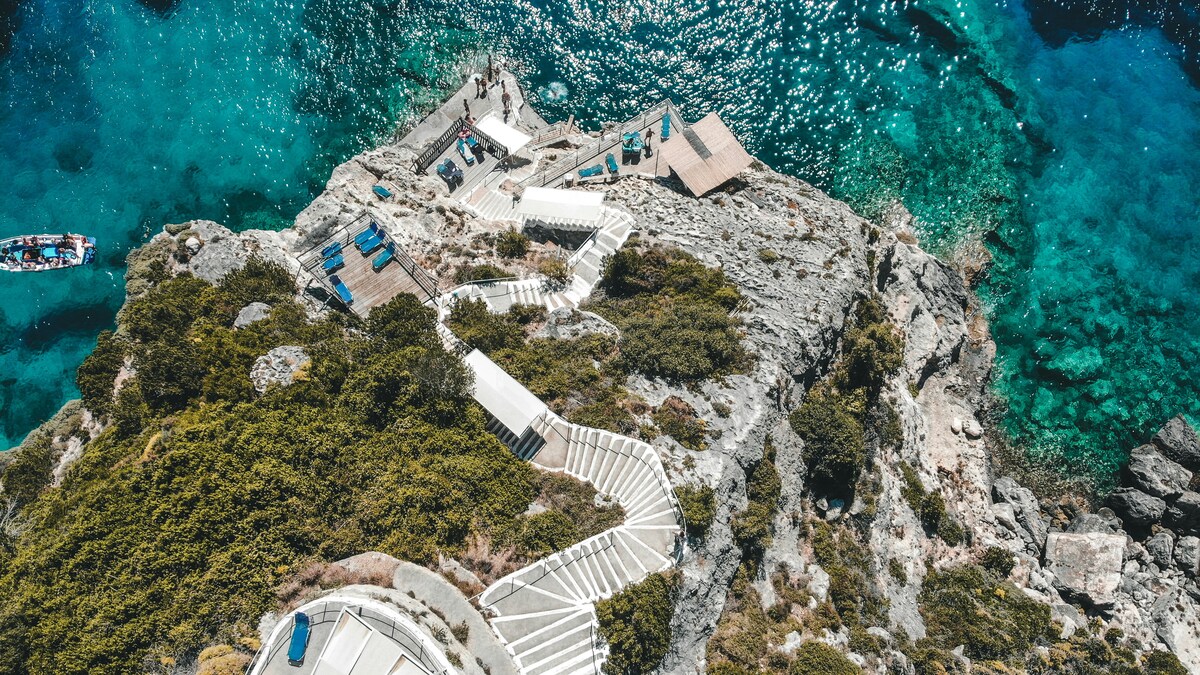
Common uses include:
- Corporate overview videos
- Event coverage
- Tourism and hospitality marketing
- Property and real estate
- Construction progress tracking
- Industrial and infrastructure projects
Additional applications include:
- Marketing campaigns and promotional content
- Social media content creation
- Site inspections and surveys
- Brand storytelling with cinematic visuals
Drone footage is especially effective for:
- Establishing shots that provide context
- Highlighting large-scale environments
- Showing before-and-after project progress
It is particularly valuable in industries where:
- Physical scale is important
- Location plays a key role in value
- Visual storytelling enhances credibility
Drone footage is often combined with full corporate video production to create a more complete and engaging final result.
Why You Should Hire a Licensed Drone Operator in Ireland
Hiring a licensed drone operator in Ireland is essential for ensuring legal compliance, safety, and usable footage.
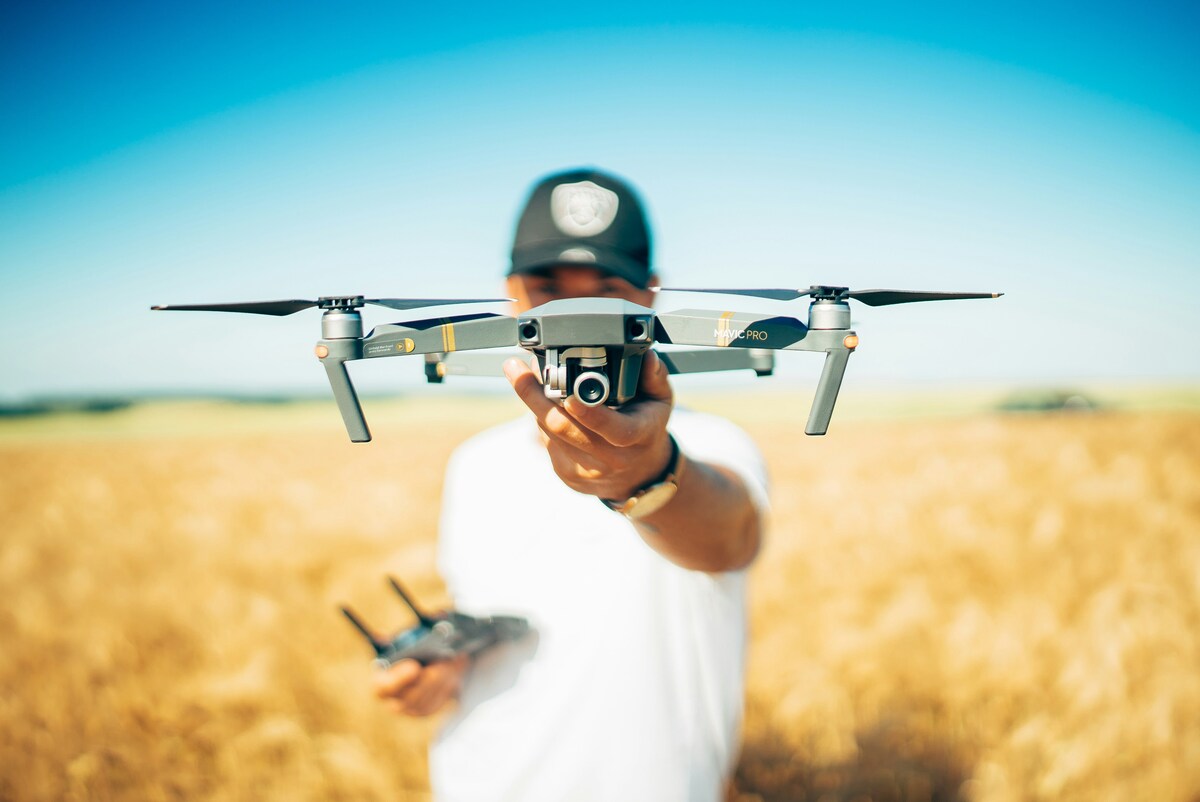
Using an unqualified operator can lead to:
- Legal issues or fines
- Insurance problems
- Safety risks
- Filming delays or cancellations
- Footage that cannot be used commercially
In some cases, responsibility may also fall on the client.
Additional risks of unlicensed operators include:
- Breach of data protection or privacy laws
- Poor footage quality due to lack of experience
- Equipment failure without proper backup systems
A licensed operator provides:
- Peace of mind
- Professional-grade results
- Full compliance with Irish and EU regulations
They also bring:
- Experience in handling complex environments
- Efficient workflows that save time on-site
- Knowledge of best practices for capturing usable footage
How Professional Drone Video Production Works (Step-by-Step)
A professional drone shoot is planned in advance.

Typical process:
- Location and airspace assessment
- Risk and safety planning
- Permission management
- Flight planning
- Controlled on-site filming
- Integration into final video
Expanded, this process often includes:
- Pre-production planning
- Understanding client goals
- Identifying key shots
- Understanding client goals
- Technical preparation
- Checking equipment and batteries
- Reviewing flight paths
- Checking equipment and batteries
- On-site execution
- Securing take-off zones
- Monitoring safety conditions
- Securing take-off zones
- Post-production
- Editing and colour grading
- Integrating drone footage with ground footage
- Editing and colour grading
In practice, most successful drone shoots in Ireland come down to preparation rather than flying itself.
How Long Does Drone Filming Take in Ireland?
Drone filming timelines in Ireland are typically short but depend on planning and weather.
Typical timeline:
- Setup and checks: 15–30 minutes
- Flight time: short sessions
- Total time on-site: 30–90 minutes
Additional factors that can affect timing include:
- Weather conditions (wind, rain, visibility)
- Complexity of the location
- Number of required shots
- Access and setup constraints
Other considerations:
- Waiting for optimal lighting conditions
- Adjusting schedules due to unexpected weather changes
- Repeating shots for quality or safety reasons
Weather conditions such as wind and rain are the main factors that can delay filming.
Because of Ireland’s climate, flexibility in scheduling is often necessary.
How Much Does Drone Video Cost in Ireland? (2026 Pricing Guide)
Drone video in Ireland typically costs between €300 and €800 as an add-on to a larger video project, or €500 to €1,500+ for a standalone drone shoot. Pricing depends on factors such as location complexity, permissions required, travel, and shoot duration. More complex shoots in urban or restricted areas may cost more due to additional planning and approvals. For most businesses, including drone footage within a full video production is the most cost-effective option.

Typical drone video costs in Ireland:
- €300 – €800 for drone footage as part of a larger video project
- €500 – €1,500+ for a standalone drone shoot
- Higher costs for complex or restricted locations
Factors that influence pricing include:
- Location accessibility
- Required permissions and paperwork
- Level of risk and safety measures
- Travel and logistics
- Post-production requirements
Additional cost considerations:
- Multi-day shoots
- Specialist equipment requirements
- Extended editing or revisions
- Tight turnaround timelines
Drone Video Pricing Breakdown in Ireland:
Add-on to a video project:
Typically €300 – €800 and offers strong value.
Standalone drone shoot:
Usually €500 – €1,500+, depending on planning and logistics.
For businesses budgeting a video project, drone footage is often one of the highest visual return-on-investment elements when used correctly.
Common Drone Filming Mistakes Businesses Should Avoid
Businesses investing in drone video often make avoidable mistakes.
These include:
- Hiring unlicensed operators
- Assuming drones can be used anywhere
- Leaving planning too late
- Overusing drone footage
Additional common mistakes:
- Not checking permissions in advance
- Ignoring weather constraints
- Focusing on visuals without a clear message
- Failing to integrate drone footage into the overall video strategy
Avoiding these issues leads to smoother productions and better results.
Planning Your Drone Video Project
If you are considering drone video for your business, the key is deciding how it fits into your overall content strategy. This means thinking about what you want to show, where aerial footage will add the most value, and how it supports your wider video goals. At this stage, the focus is less on flying the drone and more on making sure it contributes to a clear, effective final result.
A practical way to approach planning is to ask:
- What is the purpose of this video?
- What key message should the audience take away?
- Where will drone footage have the most impact?
Additional planning considerations include:
- Who is the target audience?
- Where will the video be used (website, ads, social)?
- What type of shots will best support the message?
Working with an experienced production team ensures everything is handled properly from planning through to delivery. At Mango Media, drone filming is fully integrated into our production process, ensuring both compliance and high-quality results.
Conclusion
Drone video in Ireland is a powerful tool for businesses when used correctly.
The key is working with a team that understands regulations, manages permissions, and prioritises safety. When done professionally, drone video adds a level of quality and perspective that is difficult to achieve any other way.
If you are considering drone video for your business, you can explore our video production services, get a quick estimate using our instant price calculator, or get in touch for a no-obligation conversation.
Frequently Asked Questions
Is drone filming legal in Ireland?
Yes, drone filming is legal in Ireland, but it must follow Irish Aviation Authority and EU regulations. Commercial operators must be certified and registered.
Can you fly a drone in public places in Ireland?
In many cases, yes, but restrictions apply. Flying near people, crowds, or controlled airspace often requires additional planning or approvals.
Do you need permission to film with a drone in Ireland?
Yes, depending on the location. You may need landowner consent, site permission, or airspace authorisation.
Similar blogs:



























![How to Write a Promo Video Script (Free Template Included) [2026 Guide]](https://cdn.prod.website-files.com/6226fcc37e2eb518b6e69a7f/69c3804c0b9ea78696bd89e0_covertab11.jpeg)


.jpg)
%20(1)%20(1).jpg)
.jpg)






We'd love to hear from you! Reach out to us today for a chat about our services, pricing, or just to say hello!


