
In today’s oversaturated inboxes, getting your email noticed — let alone opened — is no easy feat. In this article, we’ll explore the power of video in email campaigns, how to embed video content the right way, best practices to maximise performance, and how to track your results. Whether you’re a startup, marketer, or creative agency, using video in your emails can be a game-changer for audience retention and conversions.
The 5 Essential Videos Every Business Should Have
If you're planning a video marketing strategy, start with these core video types:
- Brand Story Video
- Product or Service Explainer Video
- Customer Testimonial Video
- Educational or Value-Driven Video
- Behind-the-Scenes or Company Culture Video

They cover every stage of the customer journey—from initial awareness to final purchasing decisions.
Together, these videos help businesses attract new audiences, explain their services, and build credibility with potential clients.
For many businesses, video marketing can feel overwhelming at first. There are countless formats available, from short-form social media clips to long-form educational content and live broadcasts. Without a clear plan, companies often end up producing videos that look good but don’t serve a clear marketing purpose.
Focusing on a small number of strategic video types helps avoid this problem. Instead of trying to create everything at once, businesses can prioritise videos that directly support key marketing goals such as:
- Introducing the brand to new audiences
- Explaining services clearly
- Building trust with potential clients
- Demonstrating expertise
- Showing the people behind the business
The five video types in this guide form a strong foundation for most business video strategies. They cover every stage of the customer journey—from initial awareness to final purchasing decisions.
Why Essential Videos for Business Marketing Matter
Businesses today compete for attention in crowded digital spaces. Video helps simplify complex messages, capture attention quickly, and communicate value in a way that text alone often cannot.
Online audiences typically scan content quickly before deciding whether to continue reading or move on. Video allows businesses to communicate key messages in seconds through visuals, sound, and storytelling.

Several factors have contributed to the growing importance of video in business marketing:
- Shorter attention spans: Visual content captures attention faster than long blocks of text.
- Mobile-first browsing: Many users now consume content primarily on smartphones.
- Social media algorithms: Platforms often prioritise video content because it generates higher engagement.
- Better storytelling opportunities: Video combines visuals, voice, and motion to create a more memorable experience.
Whether you're a small business or an established company, adding the right business marketing videos to your website and social platforms can significantly improve engagement and conversions.
For example, videos can help:
- Explain complex services more clearly
- Reduce confusion during the buying process
- Increase time spent on website pages
- Improve the likelihood that visitors will contact your business
Instead of producing dozens of videos without direction, focusing on a few strategic video types allows you to create content that supports your marketing goals and resonates with your audience.
Below are five of the most important essential videos for business success.
1. Brand Story Video
A brand story video introduces the people, values, and purpose behind your business. Rather than simply listing services, it helps viewers understand who you are and why your company exists.
Many businesses focus heavily on describing what they do but spend little time communicating why they do it. A brand story video addresses this by giving audiences a deeper understanding of the company’s motivations and values.
People don’t just buy products or services—they buy from businesses they trust. A strong brand story video establishes that trust by showing the personality and motivation behind your company.
When viewers see real people speaking authentically about their work, it creates a stronger emotional connection than text alone. This human connection can play a major role in influencing purchasing decisions.

Brand story videos often highlight elements such as:
- The founder’s journey or inspiration
- The company’s mission and long-term vision
- The values that guide business decisions
- The people who make the business run
What a Strong Brand Story Video Includes
1. Your company’s mission and values
Explain the principles that guide your business and how they benefit customers.
Many successful brand story videos clearly communicate:
- What the company stands for
- The standards they maintain when delivering services
- How their values influence customer experience
2. The problem your business was created to solve
Show why your services exist and what impact they have.
Explaining the problem your company addresses helps viewers understand the practical value of your services.
3. The story behind how the company started
Personal stories make your brand more relatable.
Examples might include:
- A founder recognising a gap in the market
- A team passionate about improving a specific industry
- A problem that inspired the business to launch
4. Key team members or founders speaking directly to camera
Seeing real people builds credibility and connection.
Direct-to-camera communication helps create authenticity and transparency.
5. Real footage of your business in action
Office scenes, processes, or team collaboration add authenticity.
These visuals might include:
- Staff meetings or brainstorming sessions
- Work processes or project preparation
- Interactions with clients or customers
Tips for Creating a Successful Brand Story Video
- Keep the video concise (1–2 minutes works well online)
- Use professional visuals and clear audio
- Focus on emotion and authenticity
- Include a clear call-to-action (CTA)
Additional best practices include:
- Filming in real working environments instead of generic studio setups
- Including natural interactions between team members
- Using voiceover narration to guide the story
Where Brand Story Videos Work Best
- Website homepage
- “About Us” page
- LinkedIn profiles
- Company presentations or pitch decks
A compelling brand story video can quickly build trust and help potential clients feel confident choosing your business.
2. Product or Service Explainer Videos
A product or service explainer video answers one of the biggest questions potential customers have: What exactly does this business do?
When visitors land on a website for the first time, they often scan quickly to understand whether the business offers what they need. If the explanation is unclear, they may leave the site before exploring further.
Explainer videos address this challenge by providing a concise visual overview of how a product or service works.
Explainer videos clearly demonstrate your offering, show how it works, and explain the value it provides.
They typically follow a simple structure:
- Introduce the problem
- Present the solution
- Demonstrate how it works
- Highlight key benefits

These videos are especially useful for businesses offering complex or technical services, where visual demonstrations make understanding much easier.
For example, industries that often benefit from explainer videos include:
- Technology and software companies
- Professional services firms
- Healthcare providers
- Financial service providers
What an Effective Explainer Video Covers
- What is the product or service?
- What problem does it solve?
- How does it work?
- Why choose your business over alternatives?
The goal is to make the viewer understand your offering within the first minute of watching.
Tips for Creating Explainer Videos
- Use simple language and avoid jargon
- Add animations or diagrams when helpful
- Show real-life use cases
- Optimize visuals for mobile viewing
Where Explainer Videos Perform Best
- Service pages
- Landing pages
- Email campaigns
- Paid social media ads
Explainer videos are often used at the consideration stage of the customer journey when potential clients are comparing different solutions.
A well-produced explainer video can reduce confusion, increase engagement, and improve conversion rates.
3. Customer Testimonial Videos
Customer testimonial videos are one of the most powerful forms of corporate video content because they provide authentic social proof.
Hearing real customers describe their experiences helps potential clients feel confident about working with your business.

Instead of promotional messaging from the brand itself, testimonials showcase genuine results from real people.
What Makes a Great Testimonial Video
- The challenge the customer faced before working with you
- Why they chose your business
- Their experience working with your team
- The results or outcomes they achieved
Effective testimonial videos often follow a storytelling format where the customer describes their journey from problem to solution.
Tips for Creating Testimonial Videos
- Keep conversations natural rather than scripted
- Film customers in real environments
- Include measurable outcomes if possible
- Use B-roll footage alongside interviews
Examples of helpful supporting footage include:
- The customer using the product or service
- Staff collaborating with the client
- Visual results or completed projects
Where Testimonial Videos Work Best
- Sales pages
- Case study pages
- Retargeting ads
- Email follow-ups
- LinkedIn campaigns
Strong testimonial videos can significantly improve trust and help potential customers make confident purchasing decisions.
4. Educational Videos for Business Marketing
Educational or value-driven videos position your company as a trusted authority in your industry.
Instead of selling directly, these videos provide helpful information that solves problems for your audience.
This type of content is particularly valuable in industries where customers need time to research solutions before making a decision.
By consistently sharing useful insights, businesses can build long-term relationships with potential customers.
Educational content can also help attract audiences who may not yet be actively looking for services but are researching related topics.
Examples of Educational Video Content
- How-to guides
- Industry tips and best practices
- Frequently asked questions
- Insights into trends or developments in your field

Businesses often create educational videos based on common customer questions such as:
- “How does this service work?”
- “What should I consider before choosing a provider?”
- “What mistakes should customers avoid?”
Why Educational Videos Support SEO
Educational videos help improve search visibility by:
- Increasing time spent on page
- Encouraging visitors to explore more content
- Making complex topics easier to understand
They also work well on platforms like YouTube, blogs, and LinkedIn, where audiences actively search for information.
Additional SEO benefits include:
- Opportunities to target long-tail search queries
- Improved engagement signals for search engines
- Higher potential for content sharing
Tips for Educational Videos
- Create a content calendar
- Keep videos short and focused (2–5 minutes)
- Add captions for accessibility
- Provide downloadable resources when relevant
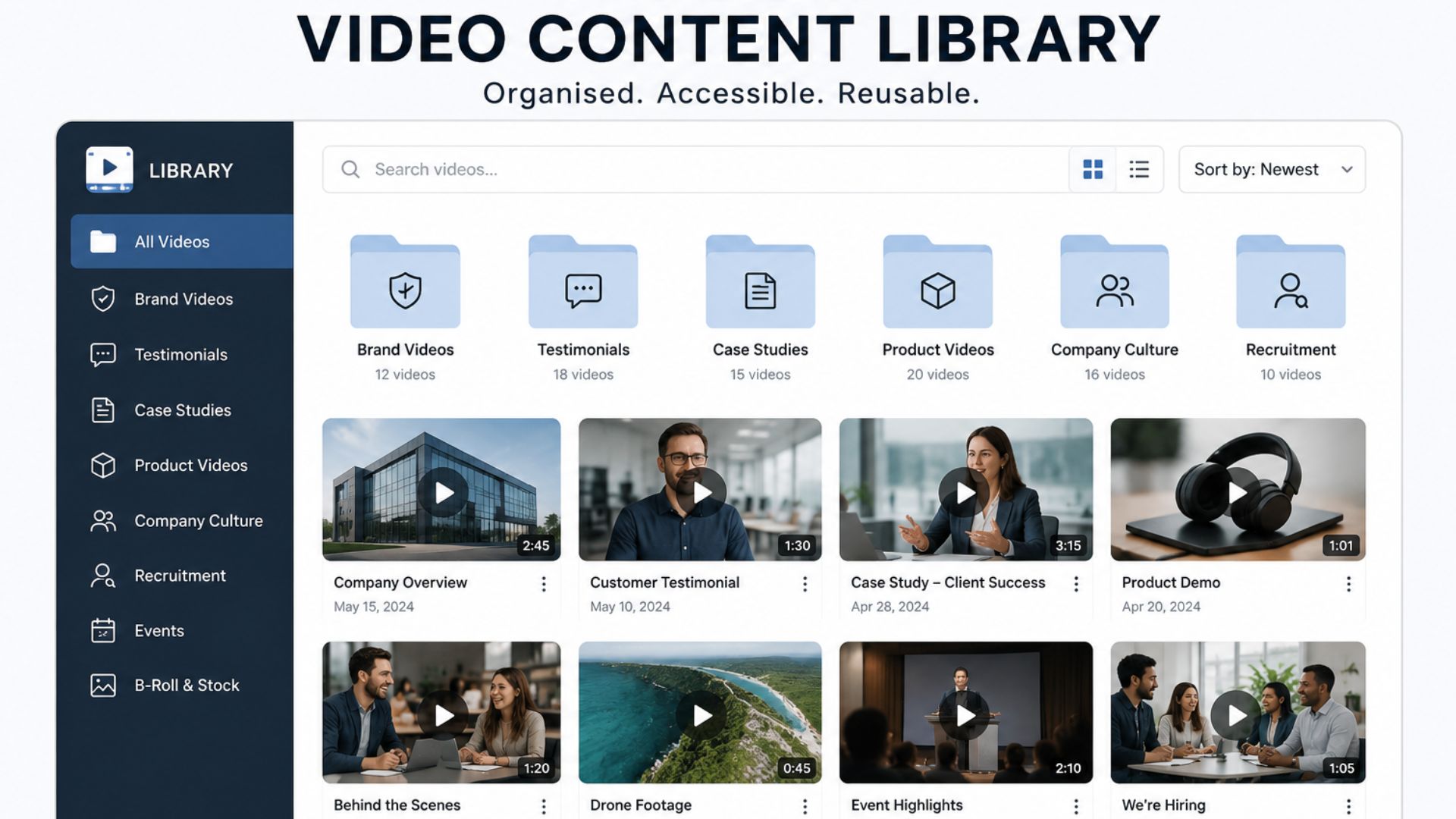
Consistency is particularly important with educational content. Publishing helpful insights regularly can help businesses build a library of content that continues to attract visitors over time.
These videos help nurture leads by demonstrating expertise before prospects are ready to buy.
5. Behind-the-Scenes or Company Culture Videos
Behind-the-scenes videos show the human side of your business. They provide insight into your team, processes, and company culture.
In an increasingly digital marketplace, audiences often want to see the real people behind a brand. Transparency can help build stronger emotional connections with customers.

Audiences increasingly want to connect with brands that feel authentic and transparent. These videos make your company more relatable.
Behind-the-scenes content can also support recruitment efforts by showing what it is like to work within the organisation.
Examples of Behind-the-Scenes Video Content
- Day-in-the-life team videos
- Team member introductions
- Production or project processes
- Office culture highlights
- Event coverage
These videos can range from professionally produced content to more informal social media clips.
Where Culture Videos Perform Best
- TikTok
Social platforms often favour authentic content that shows personality and real interactions.
Tips for Creating Authentic Culture Videos
- Avoid overly staged content
- Capture natural interactions
- Balance professionalism with personality
- Use culture videos for recruitment and employer branding
Showing your team and environment helps build trust and humanizes your brand.
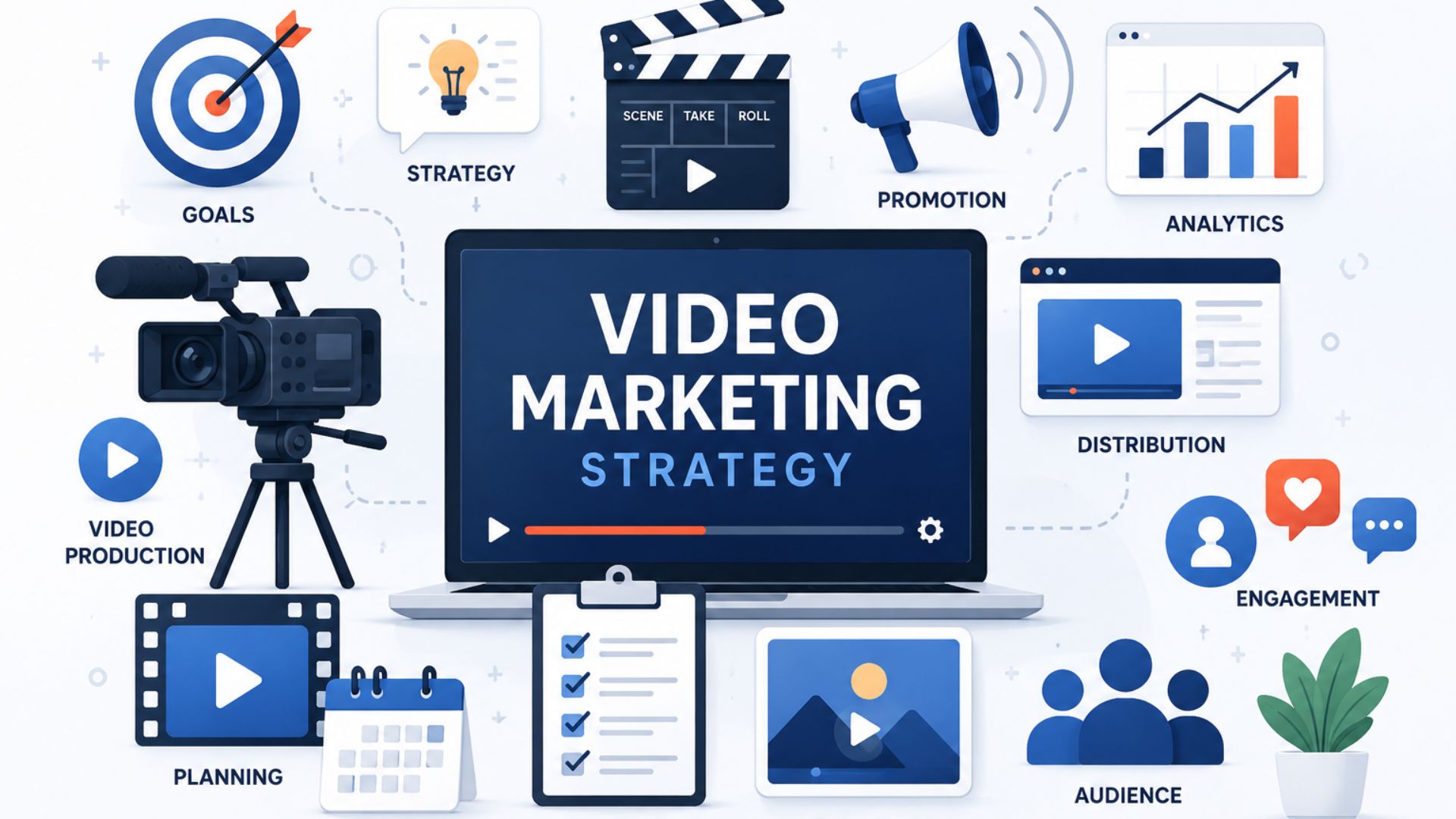
Turning Video Ideas Into a Real Strategy
Understanding the essential videos for business marketing is only the first step. The real impact comes from knowing how each video fits into your overall marketing strategy.
Many companies recognise the importance of video but are unsure where to start. Taking a strategic approach ensures every video serves a clear purpose.
A strong strategy typically considers:
- Audience needs
- Customer journey stages
- Distribution channels
- Performance metrics
For example, different videos may serve different stages of the buying process:
- Awareness: Brand story and educational videos
- Consideration: Explainer videos and case studies
- Decision: Testimonial videos
Tips for Creating a Video Marketing Strategy
- Audit existing content to identify gaps
- Prioritize high-impact videos first
- Set measurable goals such as leads or engagement
- Plan distribution channels (website, social media, email)
- Track performance metrics like watch time and conversions
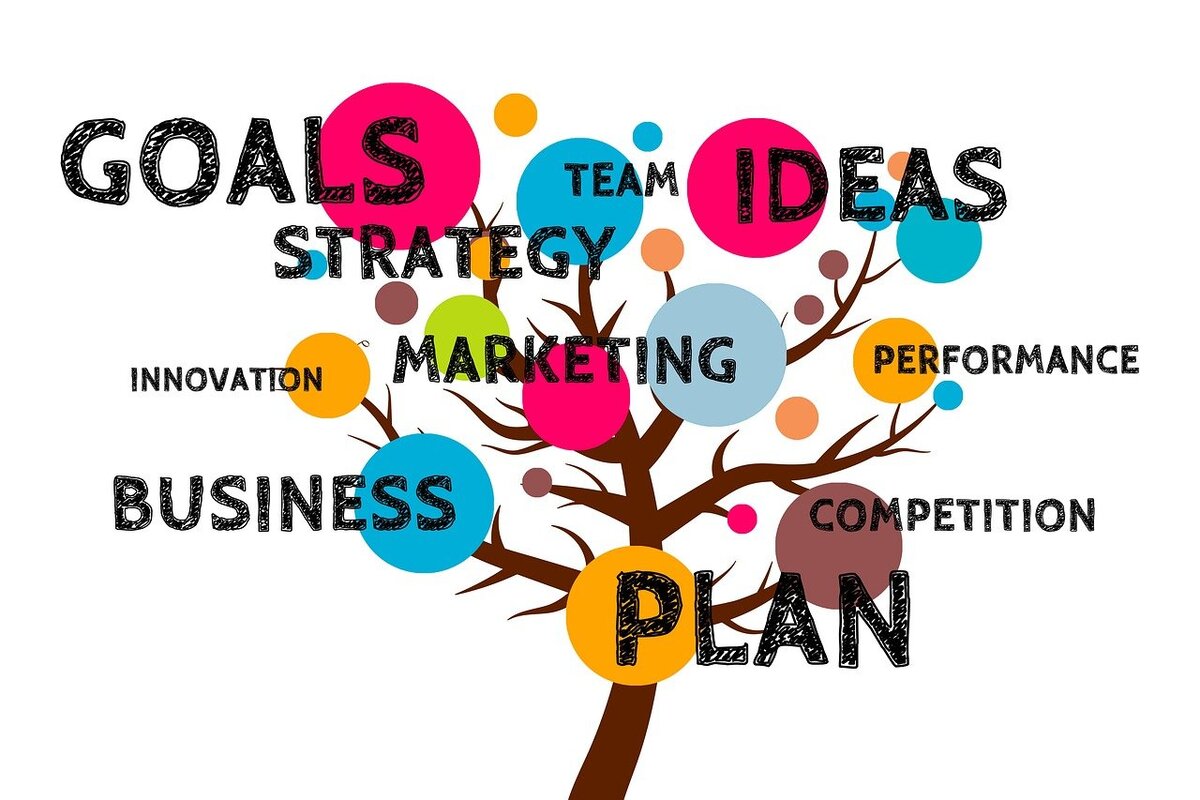
A thoughtful strategy helps businesses get the most value from their video marketing investment.
Conclusion
Video is one of the most effective ways to build trust, explain your services, and stand out in a competitive market. By focusing on these essential videos for business marketing, you create content that attracts attention, answers customer questions, and drives real engagement.
If you're considering creating professional business marketing videos, our team can help you plan, film, and produce content that aligns with your marketing goals.
Explore our video production services, try our instant price calculator, or get in touch today for a no-obligation conversation.
Frequently Asked Questions
What types of videos should a business create first?
Most businesses benefit from starting with a brand story video and a service or product explainer video, as these help customers quickly understand who you are and what you offer.
Why are videos important for business marketing?
Videos make it easier to explain services, build trust, and keep people engaged on your website or social media. They can also improve website engagement and support search visibility.
What is the best type of video for building trust with customers?
Customer testimonial videos are extremely effective for building trust. Hearing directly from satisfied clients provides social proof that written reviews alone often cannot achieve.
Similar blogs:
















































![How to Write a Promo Video Script (Free Template Included) [2026 Guide]](https://cdn.prod.website-files.com/6226fcc37e2eb518b6e69a7f/69c3804c0b9ea78696bd89e0_covertab11.jpeg)






.jpg)
%20(1)%20(1).jpg)
.jpg)






We'd love to hear from you! Reach out to us today for a chat about our services, pricing, or just to say hello!


