
In today’s oversaturated inboxes, getting your email noticed — let alone opened — is no easy feat. In this article, we’ll explore the power of video in email campaigns, how to embed video content the right way, best practices to maximise performance, and how to track your results. Whether you’re a startup, marketer, or creative agency, using video in your emails can be a game-changer for audience retention and conversions.
What Is Commercial Video Production?
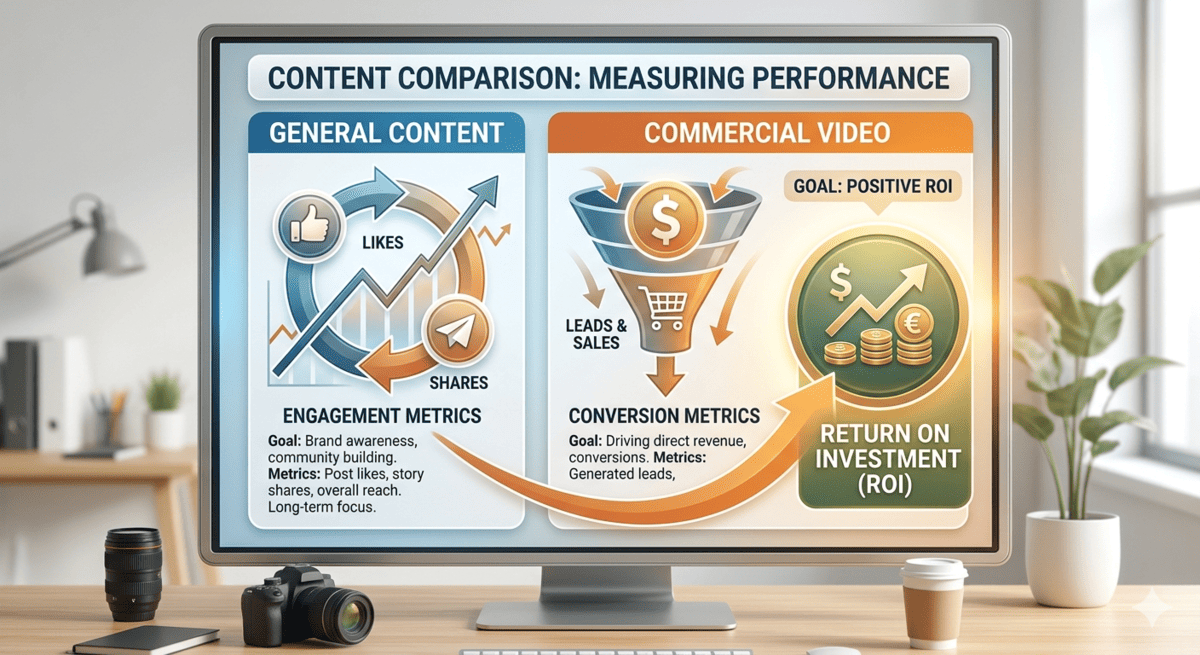
Commercial video production refers to the creation of video content specifically designed to promote a product, service, or brand with a clear marketing objective. Unlike general content or social media clips, commercial videos are built to influence action—whether that’s generating leads, increasing sales, or improving brand awareness.
While a cinematic vlog or a behind-the-scenes snippet might build "likes," a commercial video is a strategic asset. It is an investment designed to yield a specific Return on Investment (ROI). This involves a sophisticated blend of psychology, art, and data. To understand the scope of this industry, one must look at the various forms these videos take:
- Television Commercials (TVCs): High-end productions designed for broad reach on national or local broadcast networks.
- Digital Out-of-Home (DOOH): Videos seen on digital billboards in shopping centers or transit hubs.
- Social Media Ads: Short-form, high-impact videos tailored for platforms like Instagram, TikTok, and Facebook.
- Corporate Brand Films: Longer-form narratives that establish a company’s mission and values for B2B audiences.
- Product Demo Videos: Practical showcases of how a specific item works, often used to bridge the gap between "interest" and "purchase."
In Ireland, commercial video production is used by businesses across industries such as retail, hospitality, professional services, healthcare, and technology. These videos are often used in paid advertising campaigns, websites, landing pages, and social media ads.
The key difference between commercial video and general video content is intent. Every decision—from scripting to editing—is made with performance in mind.
Why Most Video Ads Fail to Convert
Many businesses assume that a good-looking video is enough to drive results. In reality, visual quality alone does not guarantee performance. You can have 4K resolution and Hollywood-level lighting, but if the underlying strategy is flawed, the viewer will simply scroll past.
Here are the most common reasons video ads underperform:
1. No clear message
If the viewer cannot understand what is being offered within the first few seconds, they will leave. Many videos try to say too much at once. In the age of "the skip button," you don't have the luxury of a slow buildup. If your video opens with a generic logo animation for five seconds, you have already lost the majority of your audience. The message must be "front-loaded."

2. Focus on the business instead of the customer
Weak ads talk about the company. Strong ads focus on the customer’s problem and how it is solved. This is the classic "Features vs. Benefits" trap. A customer doesn't care that your software uses a proprietary algorithm; they care that it saves them two hours of admin work every day. When a video becomes a "vanity project" for the CEO, it almost always fails to convert.

3. Lack of structure
Without a clear narrative, even high-quality footage feels disconnected and forgettable. Humans are hardwired for storytelling. A video that jumps randomly between different points without a logical flow—Introduction, Conflict, Solution, and Outcome—will confuse the viewer’s brain. Confusion is the enemy of conversion.
4. No call to action
A surprising number of commercial videos end without telling the viewer what to do next. You have captured their attention, built their interest, and created desire—only to leave them hanging. Should they click a link? Sign up for a newsletter? Visit a storefront? Without a direct command, the momentum of the video evaporates the moment the screen goes black.
5. Wrong targeting or placement
Even a strong video will fail if it is shown to the wrong audience or used on the wrong platform. A video produced for the professional, long-form environment of LinkedIn will likely feel out of place and "stiff" on TikTok. Similarly, showing a high-end luxury car commercial to teenagers who can't drive yet is a waste of ad spend, regardless of how good the video is.
Understanding these issues is the first step toward creating ads that actually perform.
What Makes a High-Converting Commercial Video
High-performing commercial videos in Ireland share a few key characteristics:
Clear hook in the first 3–5 seconds
Attention is everything. Successful ads immediately highlight a problem, result, or emotional trigger. This is often referred to as the "Pattern Interrupt." You need to give the viewer a reason to stop scrolling.

This could be:
- A startling statistic.
- A visually arresting image.
- A direct question that addresses a pain point.
- A high-energy movement or sound.
Simple, focused messaging
One video should communicate one core idea. Trying to include too many messages reduces impact. If you are selling a new skincare line, don't try to explain the organic sourcing, the low price point, the celebrity endorsement, and the shipping speed all in sixty seconds. Pick the most compelling hook for your specific audience and double down on it.
Strong emotional relevance
People respond to stories and situations they recognise. Effective ads connect emotionally before explaining logically. Neurological studies suggest that humans make decisions based on emotion and justify them later with logic. In the Irish market, this often translates to using humor, a sense of community, or "relatability" to break down the barrier between the brand and the consumer.
Visual storytelling that supports the message
Every shot should serve a purpose. If it doesn’t support the message, it does not belong in the video. "Visual clutter" happens when production teams get carried away with technical flourishes that don't help the viewer understand the product. High-converting videos use visual cues—like color psychology or specific framing—to guide the viewer’s eye toward what matters most.
Clear call to action
Whether it’s booking a consultation, visiting a website, or making an enquiry, the next step must be obvious. A strong CTA is:
- Visually distinct: It should be written on the screen and spoken in the voiceover.
- Urgent: It gives a reason to act now rather than later.
- Low friction: It makes the next step feel easy and rewarding.
The Commercial Video Production Process in Ireland
Understanding the production process helps businesses make better decisions and improve results.
1. Discovery and strategy
This stage defines the goal of the video. Who is it for? What action should they take? What problem are we solving? During discovery, a production team will analyze the competitor landscape and the specific demographics of the Irish consumer. They will determine the "Primary KPI" (Key Performance Indicator). Is the goal 10,000 views to build brand name recognition, or is it a 2% click-through rate to a sales page?
2. Concept development
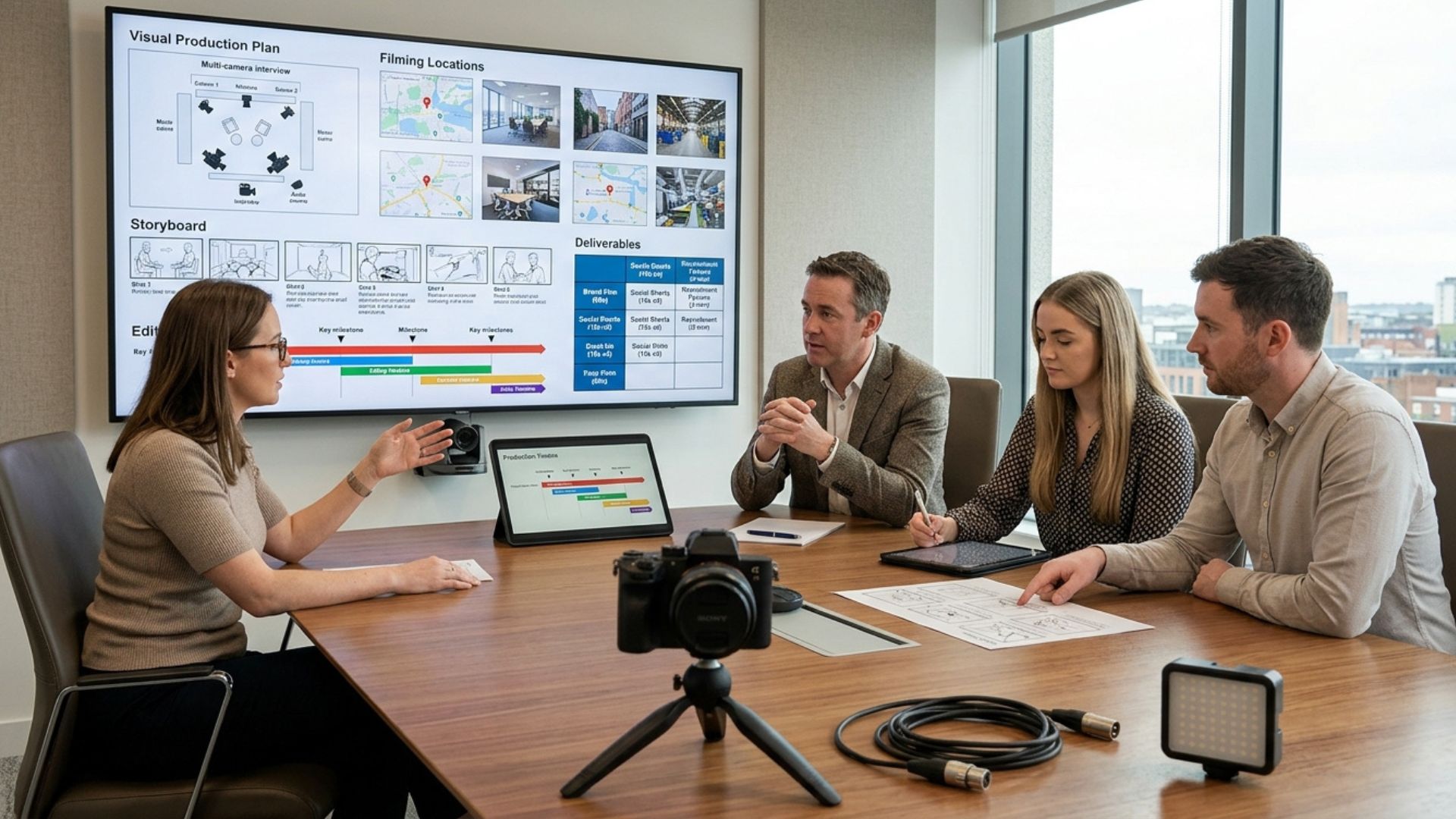
Ideas are shaped into a structured concept or script. This ensures the video has a clear direction before filming begins. This stage involves:
- Scriptwriting: Crafting the spoken words and on-screen text.
- Storyboarding: Creating a visual map of every shot.
- Styleframes: Deciding on the color palette, lighting style, and overall "vibe" of the piece.
3. Pre-production
Planning includes locations, casting, scheduling, and shot lists. Strong preparation reduces production issues later. In Ireland, this stage often involves navigating unpredictable weather for outdoor shoots or securing permits for filming in historic city centers like Dublin’s Creative Quarter. Pre-production is where the budget is managed; the more you plan here, the less money you waste during the actual shoot.

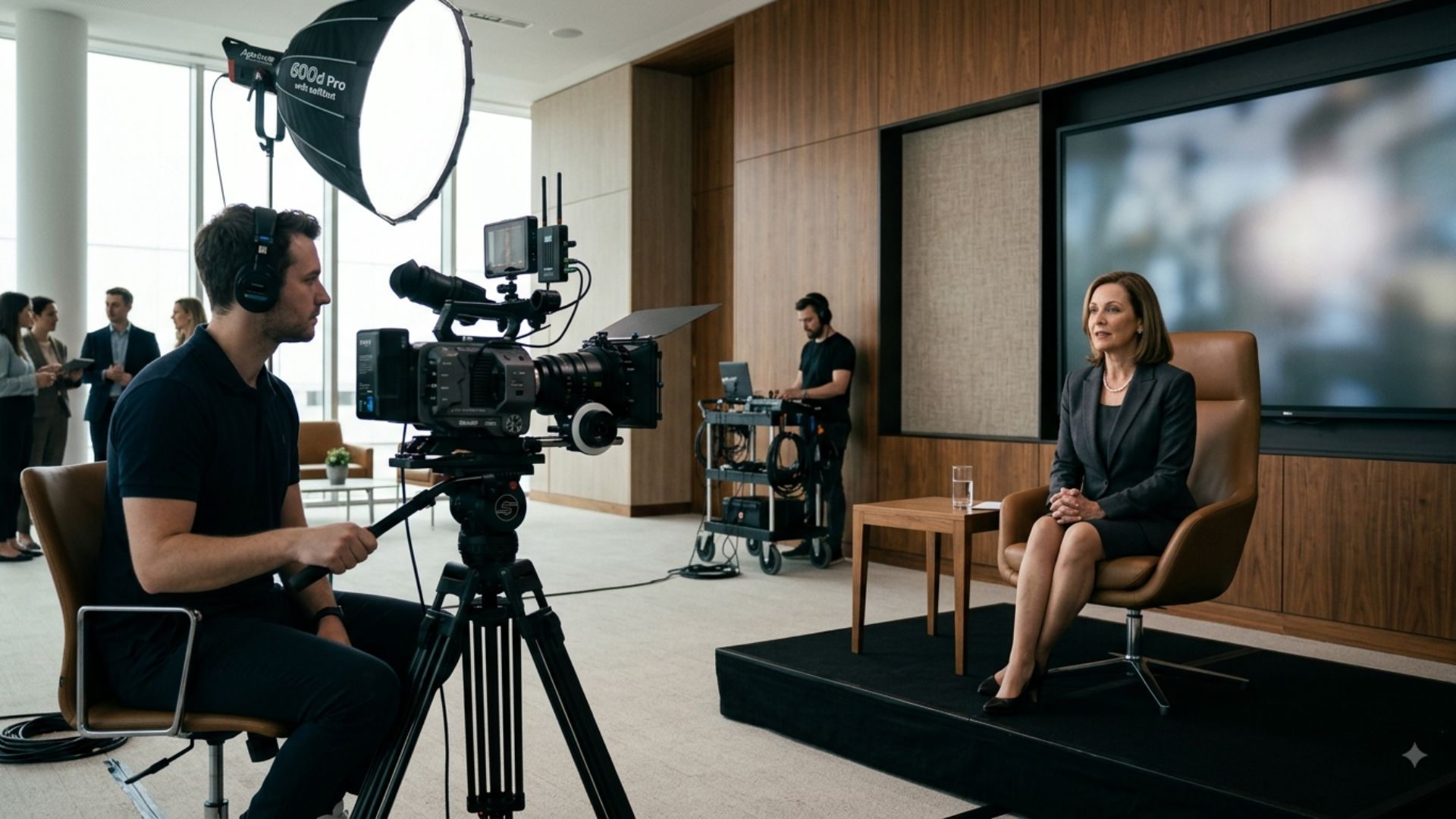
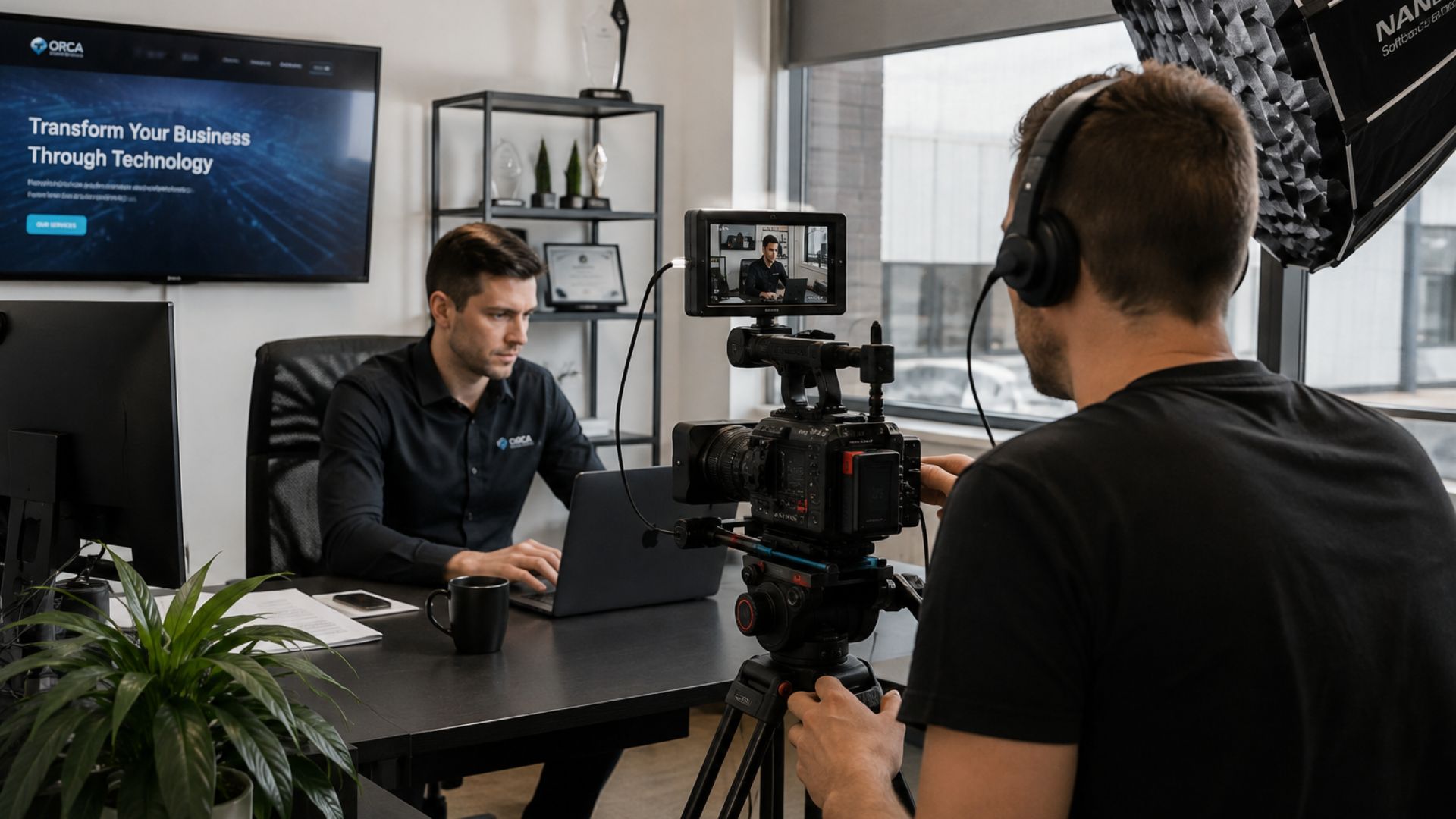
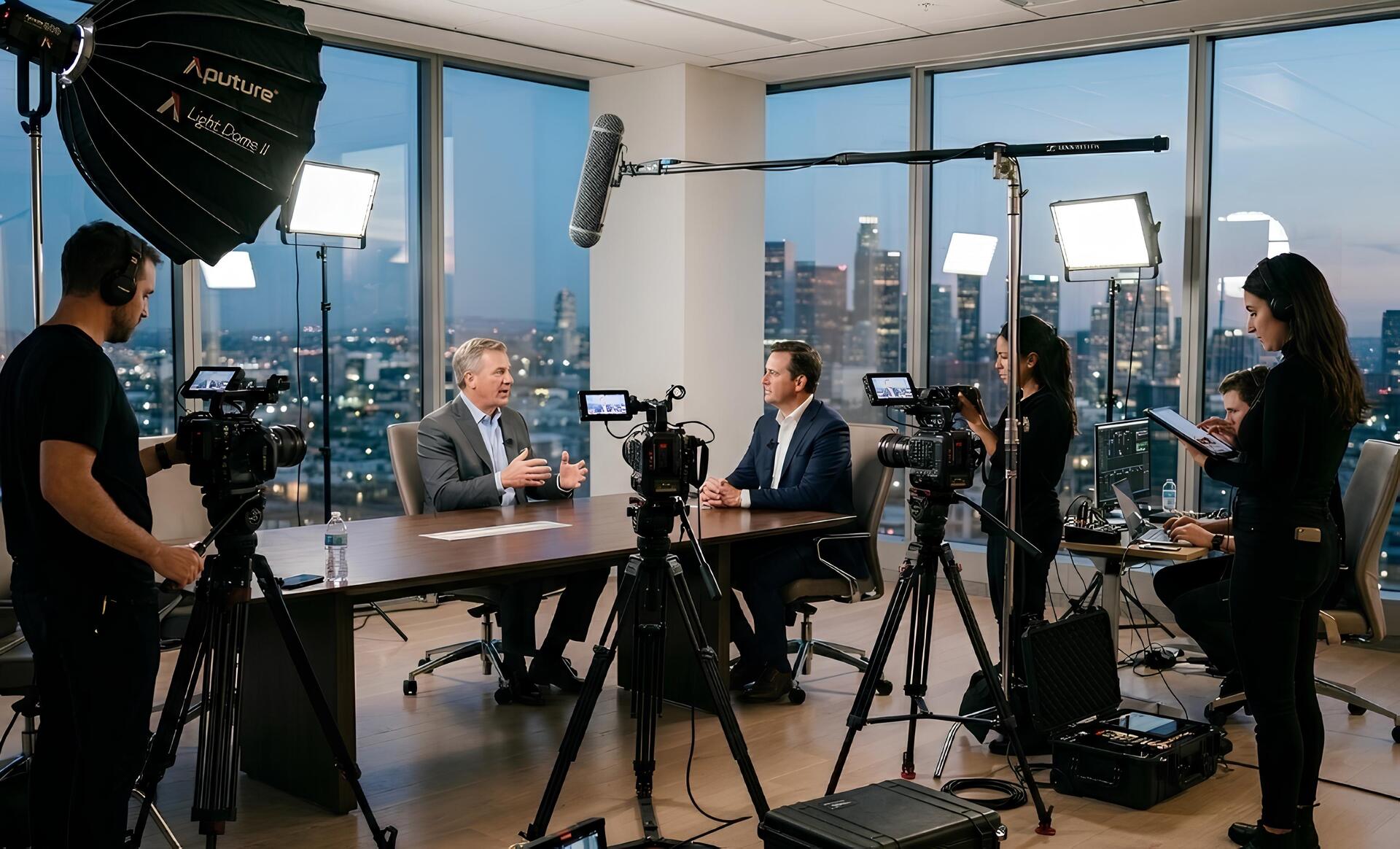
4. Production (filming)
This is where the footage is captured. Good commercial production focuses on efficiency and purpose-driven shots rather than unnecessary complexity. The crew size can range from a "run-and-gun" two-person team for social content to a thirty-person crew for a high-end TV commercial. The focus is on capturing high-quality audio, sharp visuals, and—most importantly—performances from actors or speakers that feel authentic to the brand.
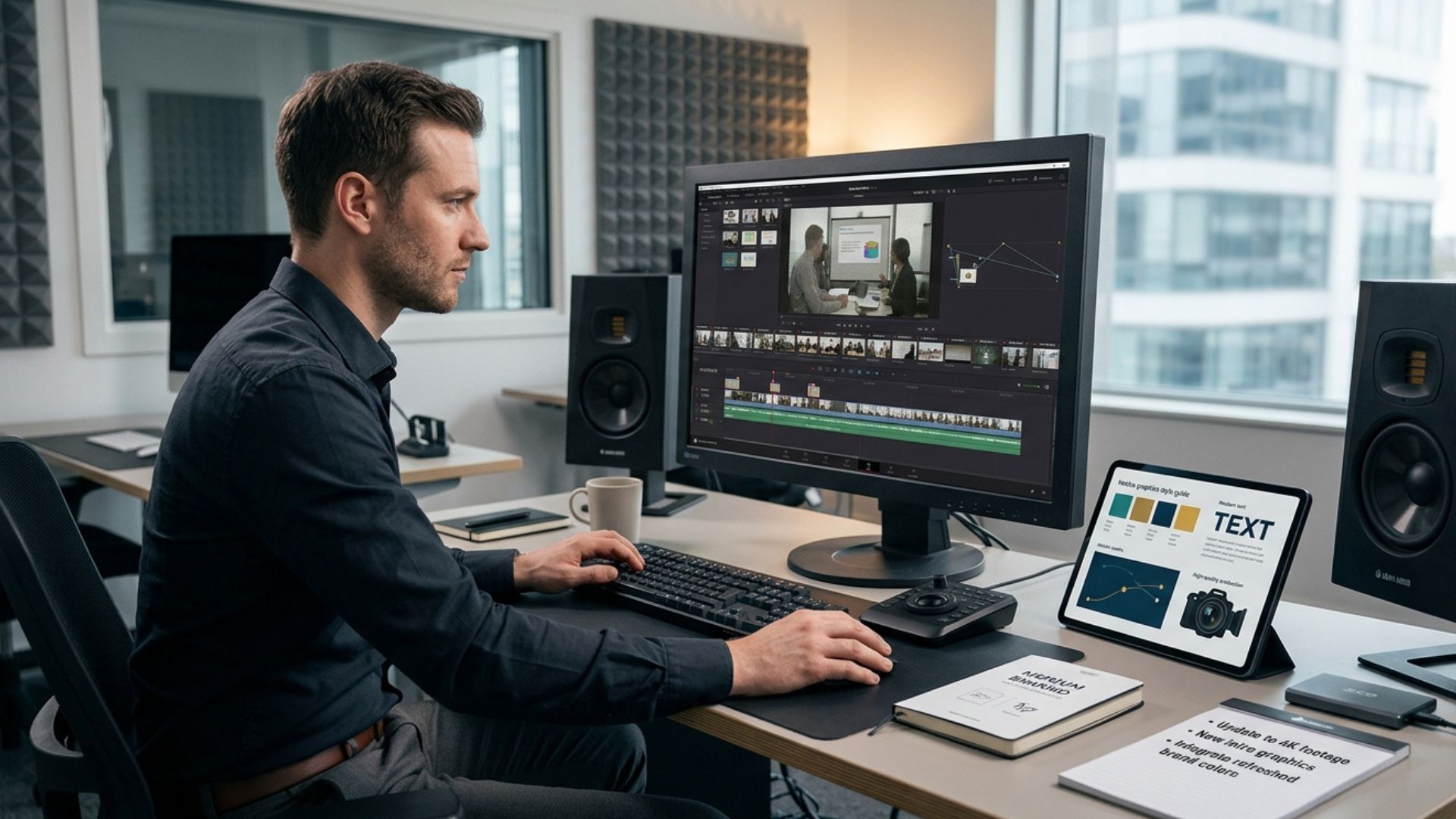
5. Post-production
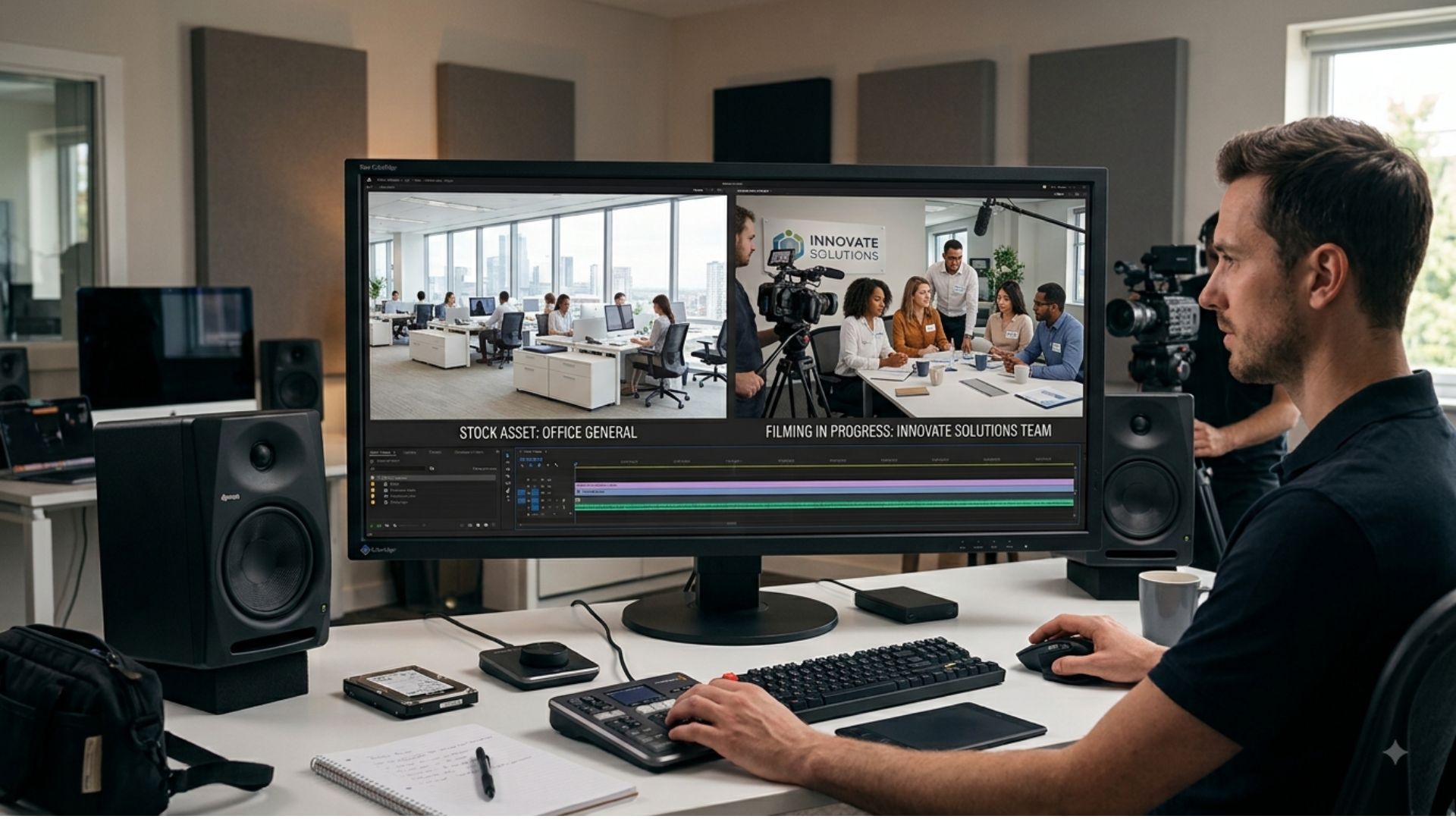
Editing, colour grading, sound design, and graphics come together to form the final product. This is where the "magic" happens:
- The Edit: Pacing the video to keep the viewer engaged.
- Sound Design: Using music and sound effects to drive emotion.
- Color Grading: Giving the video a professional, polished look that aligns with the brand's identity.
- Motion Graphics: Adding text overlays that highlight key selling points or the CTA.

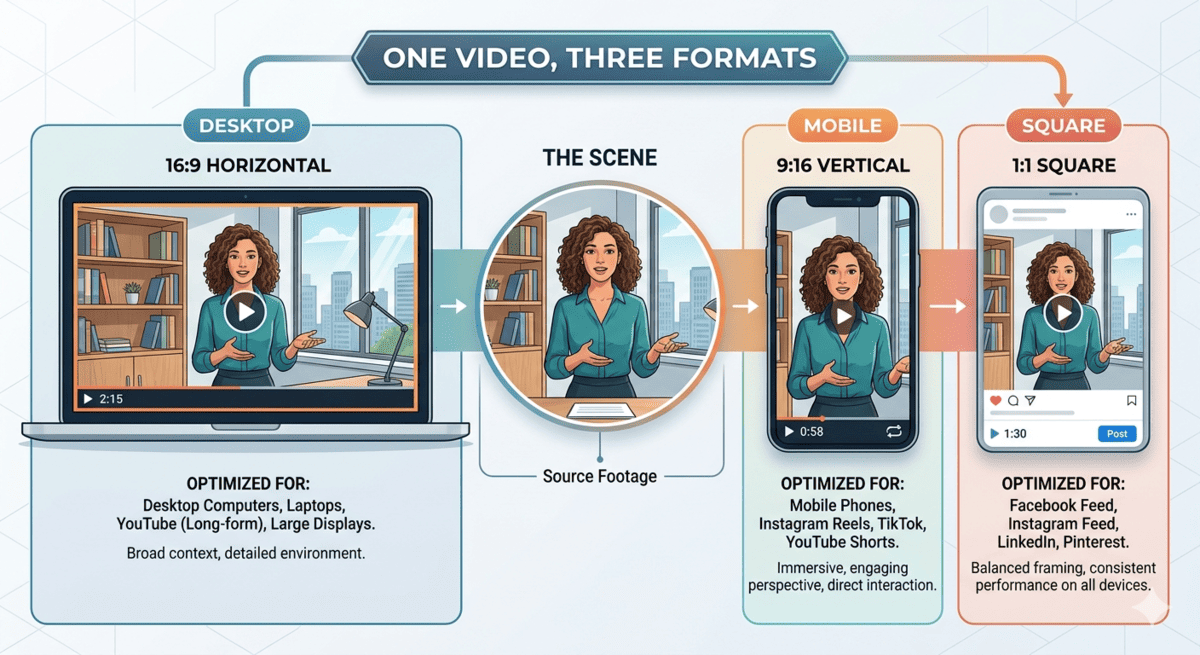
6. Optimisation for platforms
A commercial video is often adapted into different formats for social media, paid ads, and websites. This is a critical and often overlooked step.
- 16:9 (Widescreen): For YouTube and website banners.
- 9:16 (Vertical): For Instagram Reels, TikTok, and YouTube Shorts.
- 1:1 (Square): For Facebook and Instagram feeds.
- Subtitles: Essential for social media, where up to 80% of users watch videos with the sound off.
Each stage plays a role in ensuring the final video is not just visually strong, but commercially effective.
Key Factors That Affect Video Performance in Ireland
Even the best creative work doesn't exist in a vacuum. Several external factors influence how well a commercial video performs:
- Audience targeting quality: If you are using your video in a Facebook or Google ad campaign, the "back-end" settings matter as much as the video itself. Narrowing your audience to specific interests, behaviors, and locations in Ireland ensures your message reaches people likely to convert.
- Platform selection (Meta, YouTube, LinkedIn, etc.): Each platform has a different user "mindset." People go to YouTube to learn or be entertained (long-form), while they go to Instagram for quick inspiration (short-form). Your choice of platform dictates the length and tone of the content.
- Ad placement and timing: When does your audience see the video? A coffee brand might see better results with ads shown between 7:00 AM and 10:00 AM. A B2B software company might find that showing ads on weekends is a waste of money as their target leads are not in "work mode."
- Budget for distribution vs production: A common mistake is spending 100% of the budget on making the video and €0 on showing it to people. A healthy marketing strategy usually allocates a significant portion of the budget to "Paid Media" to ensure the video gets the eyeballs it deserves.
- Industry competition: In crowded sectors like Irish Fintech or Hospitality, your video needs a higher level of creativity to stand out. You aren't just competing with your direct rivals; you're competing for attention against everything else on the user's feed.
- Message clarity within the Irish market context: Using local slang, recognizable landmarks, or understanding the specific cultural nuances of an Irish audience can build trust faster than a generic "global" ad.

Even a well-produced video can underperform if these elements are not aligned. Strategy and distribution are the engines that drive the creative vehicle.
Common Mistakes Businesses Make
Many businesses in Ireland repeat the same avoidable mistakes when creating commercial videos:
- Prioritising aesthetics over strategy
- Trying to include too much information
- Not defining a clear objective before production
- Ignoring the importance of editing for retention
- Forgetting to tailor content for digital platforms
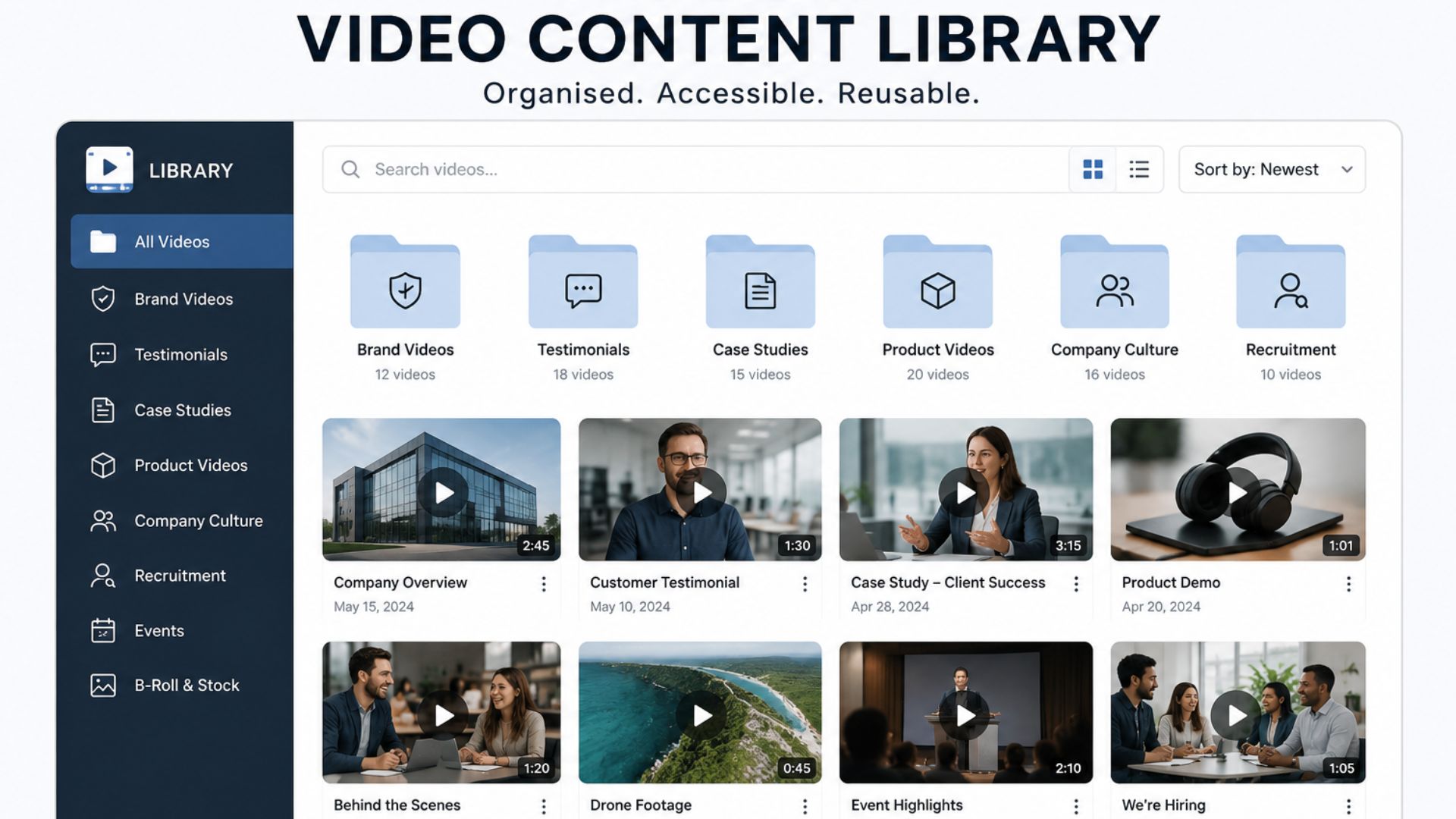
- Treating video as a one-off project instead of an ongoing strategy
Avoiding these mistakes significantly increases the chance of success.
How to Choose a Commercial Video Production Company in Ireland
Choosing the right production partner is one of the most important decisions in the process.
Look for a company that:
- Understands marketing and conversion, not just filming
- Can show examples of results-driven work
- Asks strategic questions before talking about visuals
- Has experience across different industries
- Understands platform-specific requirements for ads
A good production company should act more like a creative marketing partner than just a filming service.
When You’re Ready to Move Beyond Research
At some point, understanding what makes a good commercial video is no longer the challenge—the real question becomes whether your business is ready to turn that knowledge into something live in the market. The gap between planning and execution is usually where results are won or lost.
The digital landscape in Ireland is moving faster than ever. Every day that your business relies on static images or outdated video content is a day you are losing ground to competitors who are leveraging the power of high-converting video.
Taking the Next Steps:
- Audit your current assets: Do your existing videos follow the rules of hooks, messaging, and CTAs?
- Define your "One Big Goal": What is the single most important action you want a customer to take this quarter?
- Consult with experts: Reach out to a production team that focuses on commercial results to see how your goal can be translated into a visual narrative.
Commercial video production is more than just "making a film." It is about building a bridge between your business and your future customers through the most powerful medium available today. When done correctly, it is the most effective tool in a modern marketing toolkit.
Conclusion
Great video ads don’t happen by accident—they’re built with strategy, clarity, and a focus on conversion from the start. When done right, commercial video becomes one of the most powerful tools for driving real business growth in Ireland.
If you’re ready to turn your video ideas into high-performing ads, explore our video production services, get an instant estimate using our price calculator, or get in touch for a no-obligation conversation.
Frequently Asked Questions
How much does commercial video production cost in Ireland?
Costs vary depending on complexity, production requirements, and campaign scope, but typically range from smaller branded videos to full-scale advertising campaigns.
What makes a good video ad that converts?
A good video ad has a clear message, strong hook, emotional relevance, and a direct call to action designed to drive a specific result.
How long should a commercial video be for ads?
Most effective commercial video ads range from 15 to 90 seconds, depending on the platform and campaign objective.
Similar blogs:
























![How to Write a Promo Video Script (Free Template Included) [2026 Guide]](https://cdn.prod.website-files.com/6226fcc37e2eb518b6e69a7f/69c3804c0b9ea78696bd89e0_covertab11.jpeg)



.jpg)
%20(1)%20(1).jpg)
.jpg)






We'd love to hear from you! Reach out to us today for a chat about our services, pricing, or just to say hello!


