
In today’s oversaturated inboxes, getting your email noticed — let alone opened — is no easy feat. In this article, we’ll explore the power of video in email campaigns, how to embed video content the right way, best practices to maximise performance, and how to track your results. Whether you’re a startup, marketer, or creative agency, using video in your emails can be a game-changer for audience retention and conversions.
1. Short-Form Video Continues to Dominate
Short-form video remains the most influential content format heading into 2026, driven by platforms like TikTok, Instagram Reels, and YouTube Shorts.
Irish audiences, like global users, now consume content in rapid bursts. Attention spans are shorter, but engagement is higher when content is direct and visually engaging. Attention spans are shorter, but engagement is higher when content is direct and visually engaging.
.jpg)
Why it matters:
- Higher engagement rates compared to long-form content: Algorithms on TikTok and Reels prioritize "re-watchability" and completion rates, which are easier to achieve with shorter durations.
- Easier to repurpose across multiple platforms: A single 45-second video can serve as a TikTok, a Reel, a YouTube Short, and a LinkedIn post with minimal adjustment.
- Ideal for brand awareness and top-of-funnel marketing: It allows brands to enter a user’s feed organically, bypassing the traditional "interruptive" nature of television advertising.
- SEO Benefits: Short videos are now indexed in Google search results, providing a new avenue for organic discovery.
What businesses in Ireland are doing:
- Breaking long corporate videos into 10–30 second clips: Companies are taking hour-long webinars or 10-minute interviews and extracting the "golden nuggets" of information.
- Creating “hook-first” content (first 3 seconds matter most): In a high-speed scrolling environment, if the viewer isn't gripped by a visual or verbal hook immediately, they are gone.
- Using subtitles as standard due to silent viewing habits: With many users watching in public spaces or offices, burnt-in captions ensure the message is delivered even without audio.
- Leveraging Local Trends: Irish brands are finding success by blending global trends with local humor or cultural references, making the content feel more "home-grown."
Short-form video is no longer just for B2C brands. Irish B2B companies are also adopting it for recruitment, culture building, and thought leadership.
2. AI-Powered Video Production Becomes Standard
AI is reshaping how video content is planned, edited, and distributed. The barrier to entry has lowered, but the ceiling for creative excellence has risen. In 2026, Irish businesses are increasingly using AI tools to streamline production workflows, from scripting to editing and even voiceovers.
Key applications:
- Automated editing (cutting, trimming, formatting): AI can now identify the most "viral-ready" moments in a long video and automatically crop them into vertical formats.
- AI-assisted scriptwriting and ideation: Generative AI helps marketing teams overcome "blank page syndrome" by suggesting 50 different video hooks based on a single blog post.
- Personalised video content at scale: Sales teams are using AI to generate personalized video messages where the recipient's name and company are dynamically updated in the audio and visuals.
- Automated subtitles and translations: This is crucial for Irish companies exporting to Europe, allowing them to instantly localize content into French, German, or Spanish.

What’s changing:
Instead of replacing production teams, AI is acting as an accelerator. It reduces time spent on repetitive tasks, allowing creators to focus on storytelling and strategy.
However, one major trend is clear: AI-generated content alone is not enough. Audiences still prefer authentic, human-led storytelling. There is a growing "uncanny valley" fatigue. If a video feels too synthetic or the voiceover lacks human cadence, Irish viewers—who historically value "the craic" and genuine connection—tend to tune out.
3. Authenticity Over Perfection
Highly polished corporate videos are no longer guaranteed to perform well. The era of the over-produced, glossed-over commercial is being replaced by a preference for raw, honest communication. In Ireland’s 2026 video landscape, authenticity is often more effective than high production value alone.
What “authentic video” looks like:

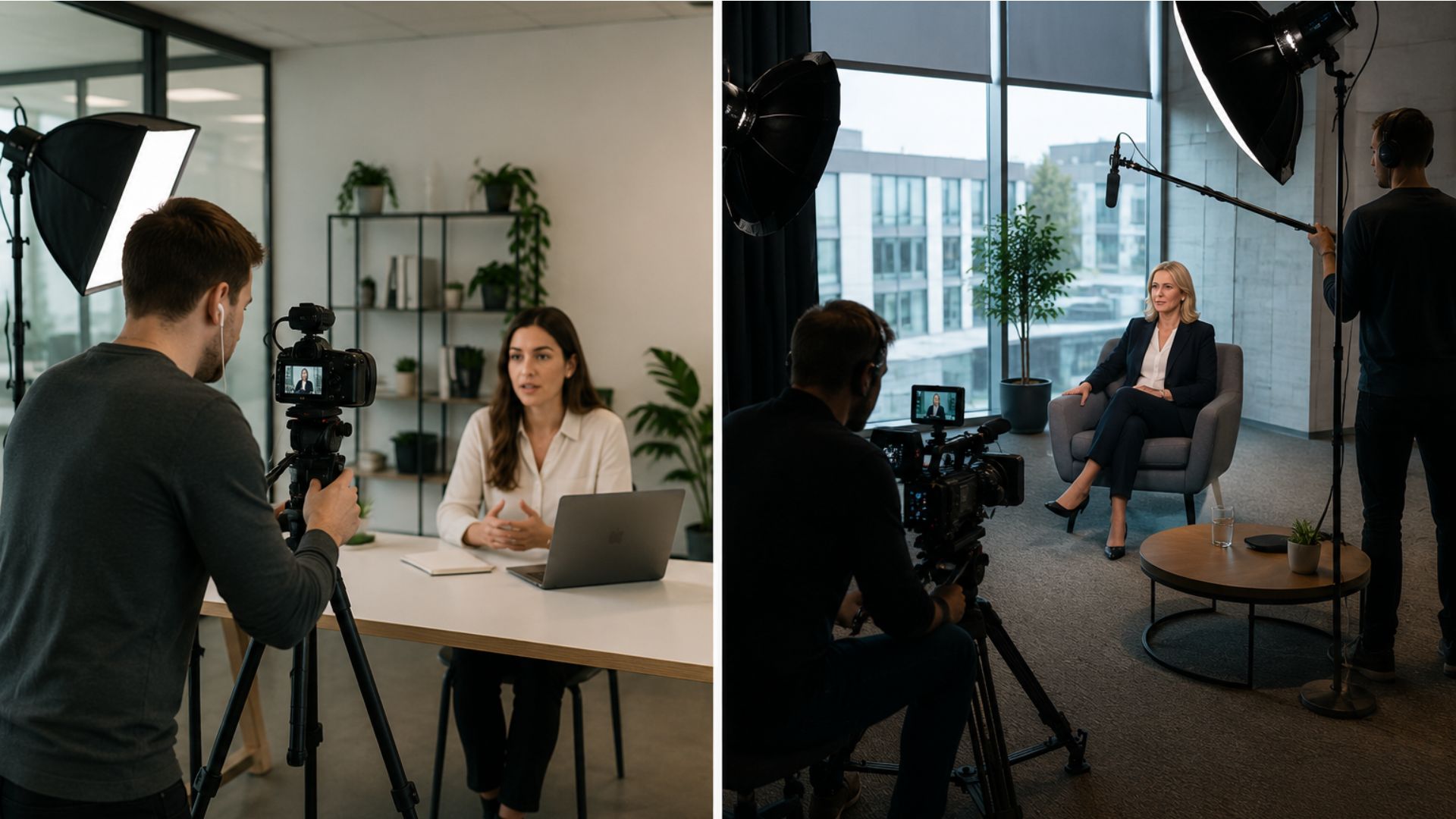
- Real employees speaking naturally on camera: Moving away from professional actors to the people who actually do the work.
- Behind-the-scenes footage: Showing the "messy middle" of a project or the day-to-day reality of an Irish office.
- Unscripted or lightly scripted interviews: Capturing stammers, laughs, and genuine reactions rather than a robotic "corporate speak" script.
- Real customer testimonials: Filmed on a smartphone in a real-world setting rather than a sterile studio.
Why it works:
Audiences are increasingly sceptical of overly scripted marketing. They respond better to content that feels honest, relatable, and human. This is particularly true in the Irish market, where a "down-to-earth" approach is culturally preferred over Americanized "hyper-professionalism."
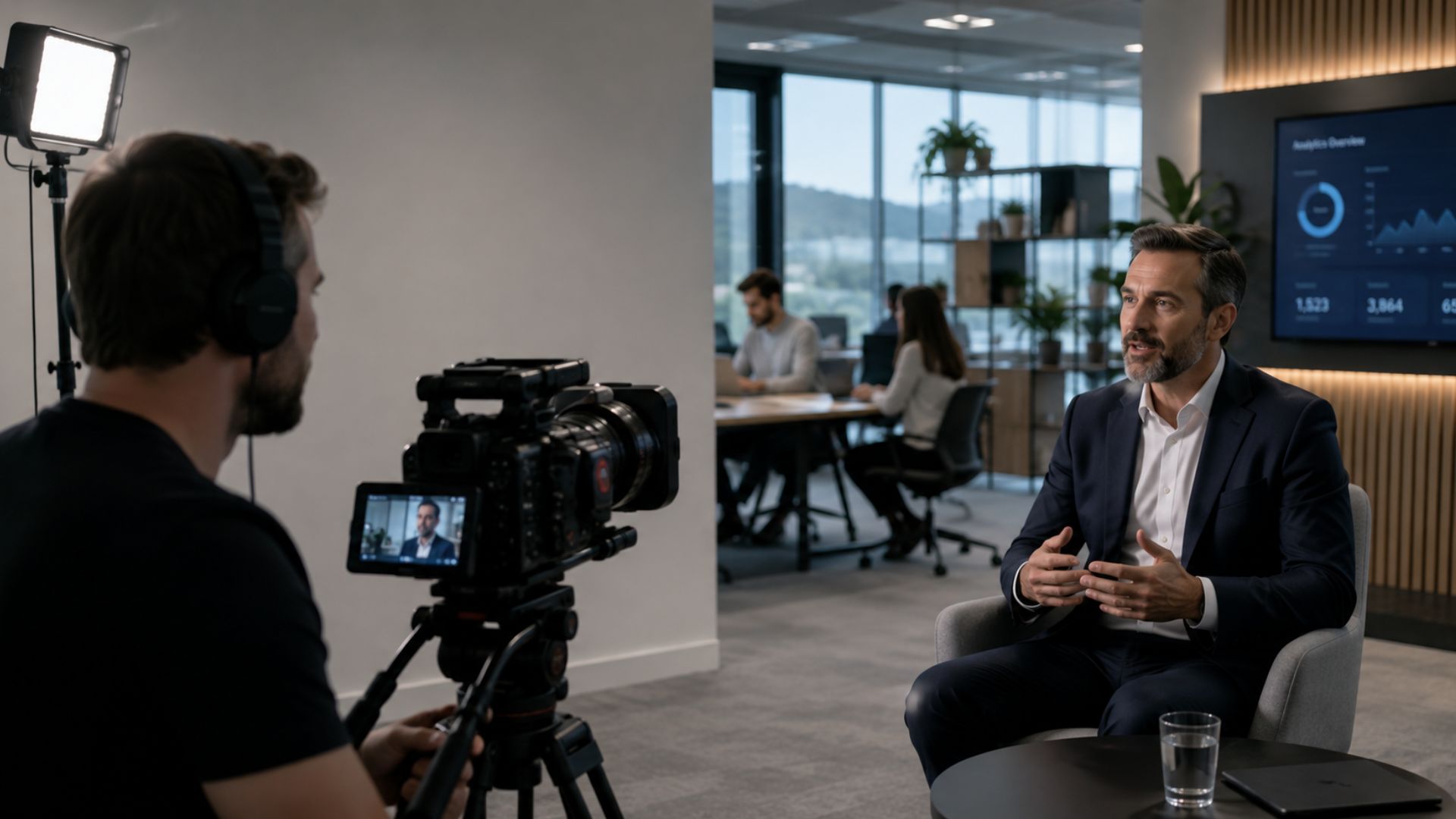
In practice, working with Irish clients across different sectors has shown a consistent shift away from overly polished corporate messaging toward more documentary-style storytelling that feels grounded in real people and real experiences.
Even high-end production companies are shifting toward documentary-style storytelling in corporate content, investing in better microphones and lighting while keeping the "vibe" of the footage natural and unforced.
4. LinkedIn Video Becomes a Core B2B Channel
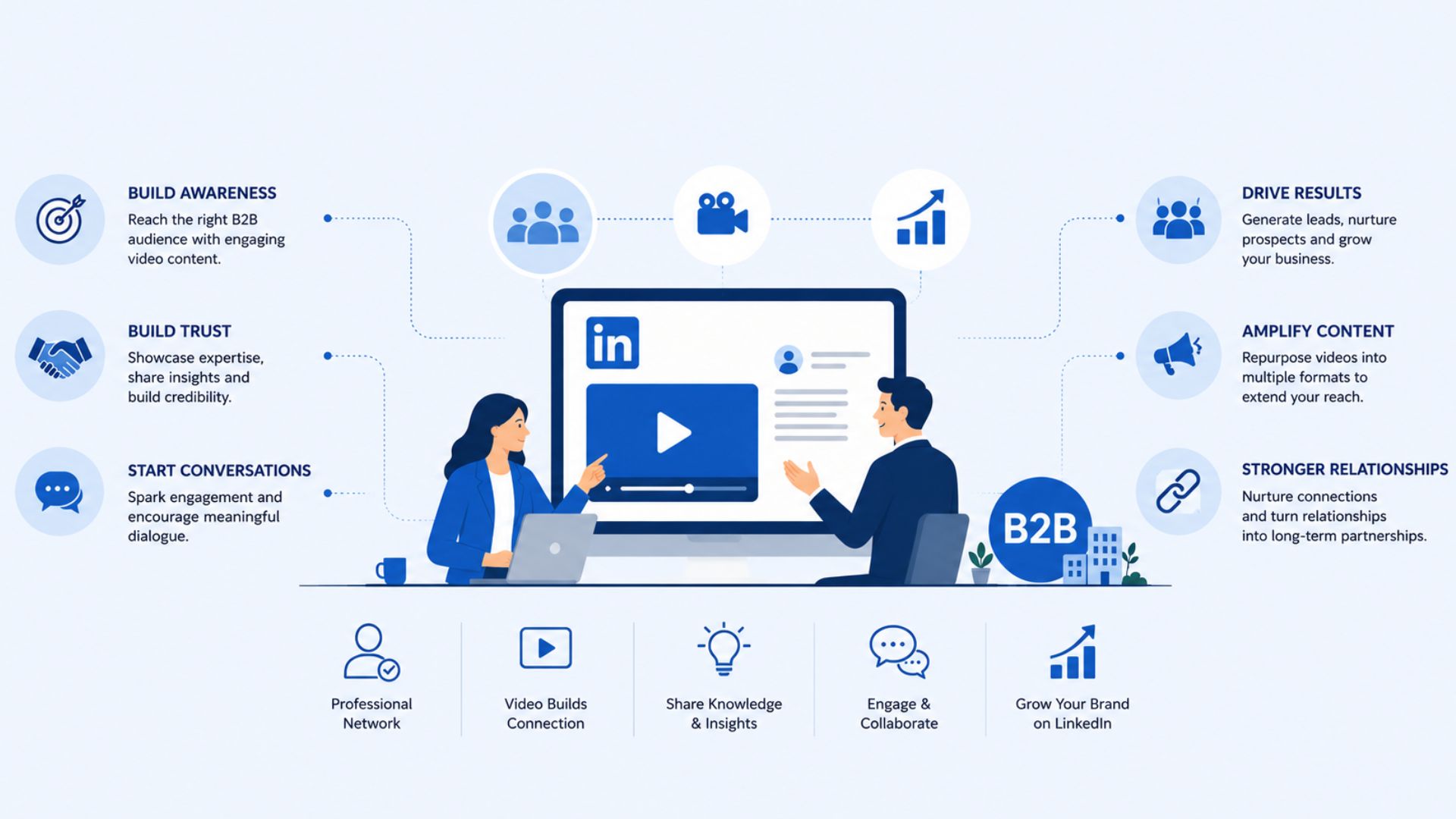
For Irish B2B companies, LinkedIn has become one of the most important platforms for video marketing. As organic reach on other platforms becomes more competitive and "pay-to-play," LinkedIn remains a fertile ground for high-quality professional engagement.
In 2026, LinkedIn video is no longer optional—it is a core distribution channel for thought leadership and lead generation. The platform’s algorithm now heavily favors native video uploads over external links, making it the primary way to reach the Irish C-suite.
Common formats:
- Founder insights and company updates: Short "talking head" videos discussing industry trends or company milestones.
- Industry commentary videos: Quick takes on news affecting the Irish economy or specific sectors like MedTech or FinTech.
- Client success stories: Mini-documentaries showing how a partnership solved a specific business problem.
- Recruitment and culture videos: Showcasing why a candidate should choose your firm over a competitor.
Why LinkedIn video is growing in Ireland:
- Strong professional user base: Ireland has one of the highest LinkedIn penetrations per capita in Europe.
- High organic reach for native video: Videos generate more comments and shares than text-only posts.
- Better targeting for B2B decision-makers: The ability to see exactly who is viewing your video (by job title and company) provides invaluable data.
Companies that consistently publish video content on LinkedIn are seeing stronger brand authority and higher inbound enquiries. It’s about building a "familiarity" with the brand before a sales call even takes place.
5. Vertical-First Video Strategy
Vertical video is now the default format, not an adaptation. For years, businesses filmed in 16:9 (horizontal) and then "cropped" for social media. In 2026, that process has been reversed.
In 2026, Irish marketers are designing content for mobile-first consumption from the start. This shift acknowledges that over 90% of social media consumption in Ireland happens on a smartphone held vertically.
Key shift:
Instead of cropping horizontal videos into vertical formats, businesses are filming specifically for vertical platforms.

Benefits:
- Better engagement on mobile devices: Vertical video takes up the entire screen, removing distractions and creating an immersive experience.
- More natural framing for social media: It mirrors how we naturally hold our devices.
- Improved storytelling flow for short-form content: It allows for "stacking" information (e.g., a person talking at the bottom with a graphic at the top).
6. Interactive and Shoppable Video is Emerging
Interactive video is gaining traction in marketing strategies. We are moving from a "lean-back" viewing experience to a "lean-forward" active experience.
This includes:
- Clickable product links inside videos: Allowing a viewer to buy a jacket they see in a fashion reel without leaving the app.
- Embedded call-to-action overlays: Buttons that pop up at the end of a video saying "Book a Demo" or "Download the Whitepaper."
- Interactive storytelling formats: "Choose your own adventure" style videos used for training or brand engagement.
- Branching video experiences: Where a viewer can select which part of a product they want to learn about next.

Why it matters:
It reduces friction between viewing and conversion. Users can act immediately instead of searching separately. In a world of instant gratification, every extra click is a chance for a lead to drop off.
In Ireland, this is most visible in e-commerce, real estate, and event marketing. Imagine a virtual tour of a property in Galway where you can click on the kitchen tiles to see the supplier—that is the 2026 standard.
7. Data-Driven Video Marketing Becomes Essential
In 2026, guessing is no longer acceptable in video marketing. The days of "making a video and hoping it works" are gone. Irish businesses are relying heavily on analytics to refine performance and ROI.
Key metrics:
- Watch time and drop-off points: Identifying exactly at which second users lose interest helps editors make future content tighter.
- Engagement rate (likes, shares, comments): Measuring how much the content resonates with the audience’s emotions or intellect.
- Click-through rates (CTR): Tracking how many viewers took the intended action after watching.
- Conversion tracking: Linking a video view directly to a sale or a lead form submission in a CRM like HubSpot or Salesforce.
Video is now treated as a measurable marketing asset, not just branding content.
8. Employer Branding Videos Are in High Demand
Employer branding is one of the fastest-growing video categories in Ireland. As the Irish economy remains near full employment, the war for talent has shifted from "salary" to "culture and purpose."
With competition for talent increasing, companies are using video to communicate culture and attract candidates. A job description on a PDF is no longer enough to attract top-tier talent.
Common formats:
- “Day in the life” videos: Giving potential hires a realistic look at their future routine and colleagues.
- Office culture films: Highlighting the social side, the DEI initiatives, and the physical workspace (whether that's a Dublin office or a remote-first setup).
- Leadership messages: Allowing the CEO to share the company vision directly with potential recruits.
- Recruitment campaigns: Targeted videos designed to fill specific, high-skill roles in sectors like Pharma or Engineering.
Candidates now expect transparency before applying, and video delivers that better than any other medium. A video of a real employee talking about their career progression carries more weight than any corporate slogan.
9. Hybrid Production Models Become the Norm
Video production is no longer strictly on-location or studio-based.
Hybrid models are now common, combining:
- Remote filming
- On-site production
- User-generated content
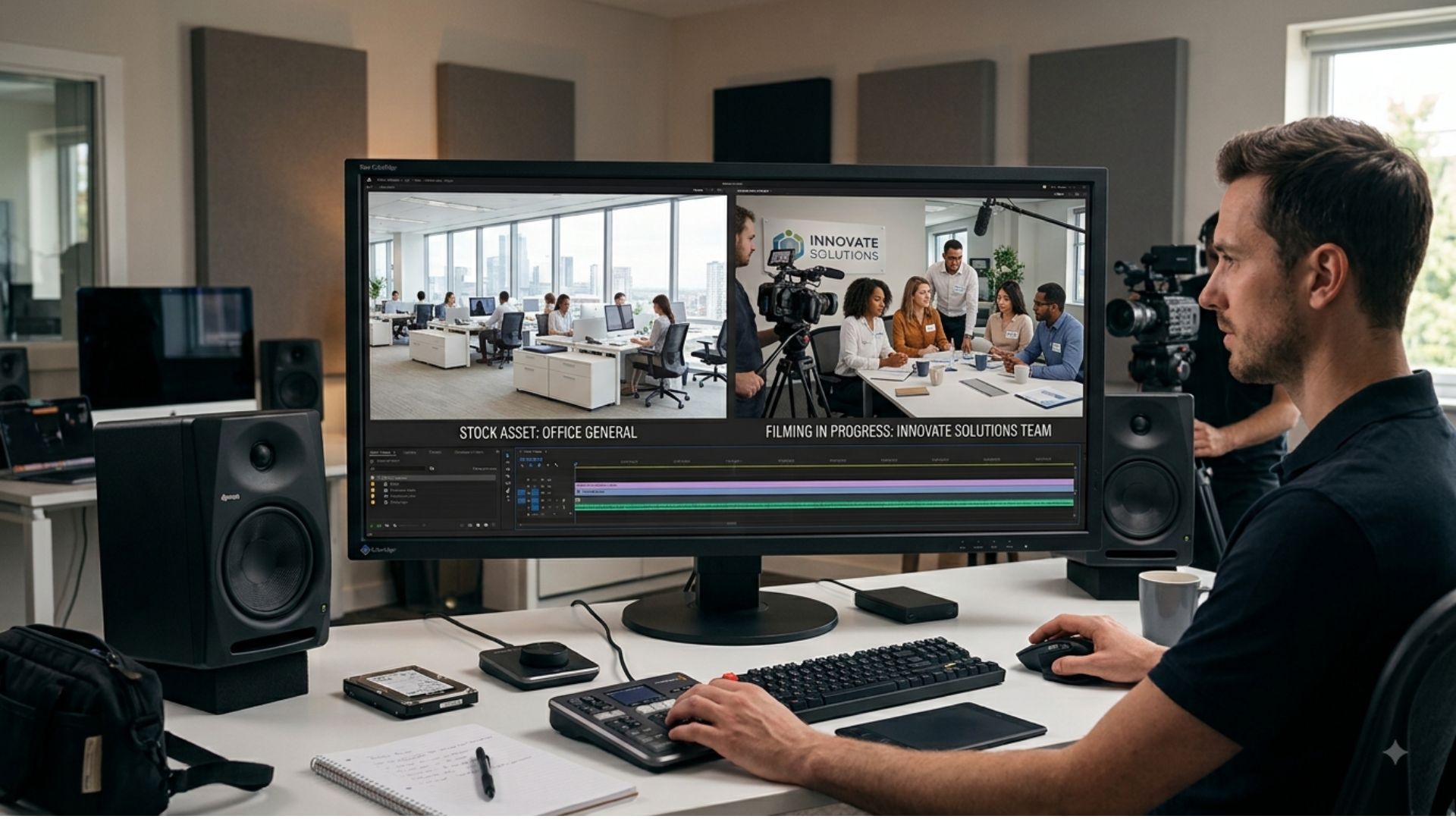
- Stock footage integration

This allows businesses to scale content production without significantly increasing budgets.
10. Video and SEO Are Fully Integrated
Video is now a major driver of search performance.
Google increasingly prioritises pages with video content when user intent is clearly satisfied. For example, a "How to install a heat pump" search will prioritize a page with a video tutorial over a text-only manual.
What businesses are doing:
- Embedding videos in blog posts: This increases "dwell time" on the website, a key signal to Google that the content is valuable.
- Optimising YouTube uploads: Using specific techniques like "Chapters," detailed descriptions, and custom thumbnails to dominate the second-largest search engine in the world.
- Using keyword-rich metadata: Ensuring the video’s file name, title, and tags align with what Irish customers are searching for.
- Creating video-led landing pages: Improving conversion rates by using video to explain complex products quickly.
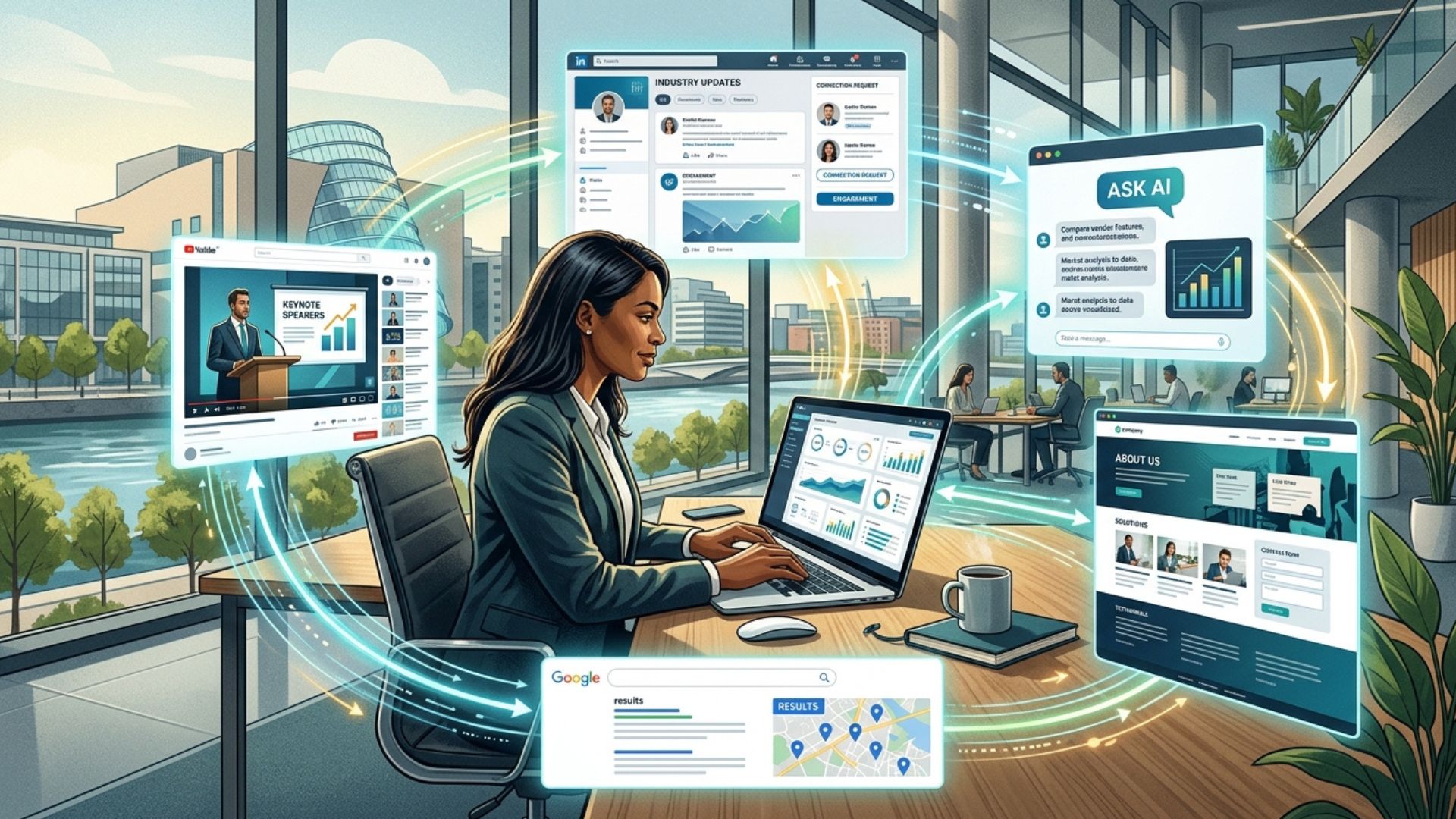
Video and SEO are no longer separate strategies—they work together. If you are not optimizing your video content for search, you are essentially leaving your best assets invisible.
What This Means for Irish Businesses in 2026
Video marketing is becoming faster, more authentic, more data-driven, and more integrated into digital strategy. The landscape is no longer about who has the biggest budget, but who has the best understanding of their audience's needs and habits.
Key takeaways:
- Short-form and mobile-first content dominate
- Authenticity matters more than perfection
- AI supports production but doesn’t replace storytelling
- Video is now central to SEO and lead generation
Businesses that adapt early will gain a strong competitive advantage in visibility and engagement. In the Irish market, being an early adopter of these trends allows you to cut through the noise before the space becomes oversaturated.
Turning Trends Into Action
Understanding what’s changing in video marketing is useful, but the real value comes from applying it to your own business context. Most companies don’t struggle with knowing that video is important—they struggle with knowing what type of video they should actually be producing, and how it fits into their wider marketing strategy.
At this point, it becomes less about observing trends and more about making practical decisions: what to prioritise, what to ignore, and how to build a video approach that actually supports growth rather than just creating content for the sake of it.
Final Thoughts
Video marketing in Ireland is moving fast — and the winners in 2026 won’t be the ones making the most content, but the ones making the right content. It’s less about polish, more about clarity, consistency, and knowing what actually drives results.
If you’re ready to turn these trends into something practical for your business, you can explore our video production services, get an instant estimate using our instant price calculator, or simply get in touch with us here to talk through your video strategy.
Frequently Asked Questions
What are the latest video marketing trends in Ireland for 2026?
The main trends include short-form video dominance, AI-assisted production, authentic storytelling, LinkedIn video growth for B2B, and mobile-first (vertical) content strategies.
Is video marketing worth it for Irish businesses in 2026?
Yes. Video marketing is one of the highest-performing digital strategies in Ireland, helping businesses increase engagement, improve SEO rankings, and generate more qualified leads.
What type of video content works best for businesses in Ireland?
Short-form, authentic, and mobile-first videos perform best. This includes social media clips, customer testimonials, recruitment videos, and LinkedIn thought leadership content.
Similar blogs:


















![How to Write a Promo Video Script (Free Template Included) [2026 Guide]](https://cdn.prod.website-files.com/6226fcc37e2eb518b6e69a7f/69c3804c0b9ea78696bd89e0_covertab11.jpeg)



.jpg)
%20(1)%20(1).jpg)
.jpg)






We'd love to hear from you! Reach out to us today for a chat about our services, pricing, or just to say hello!


