
In today’s oversaturated inboxes, getting your email noticed — let alone opened — is no easy feat. In this article, we’ll explore the power of video in email campaigns, how to embed video content the right way, best practices to maximise performance, and how to track your results. Whether you’re a startup, marketer, or creative agency, using video in your emails can be a game-changer for audience retention and conversions.
Why Dublin Is a Major Hub for Video Production

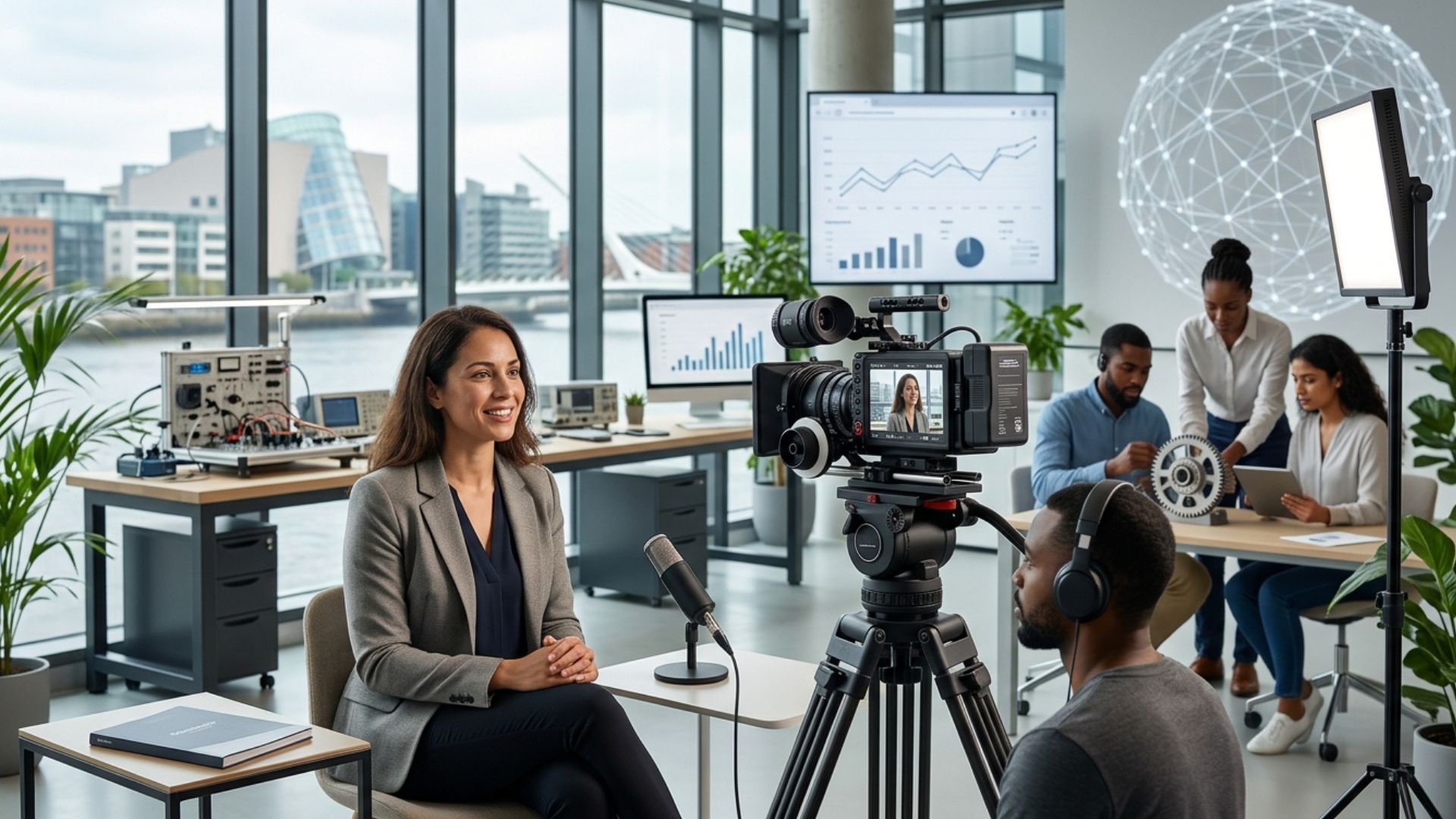
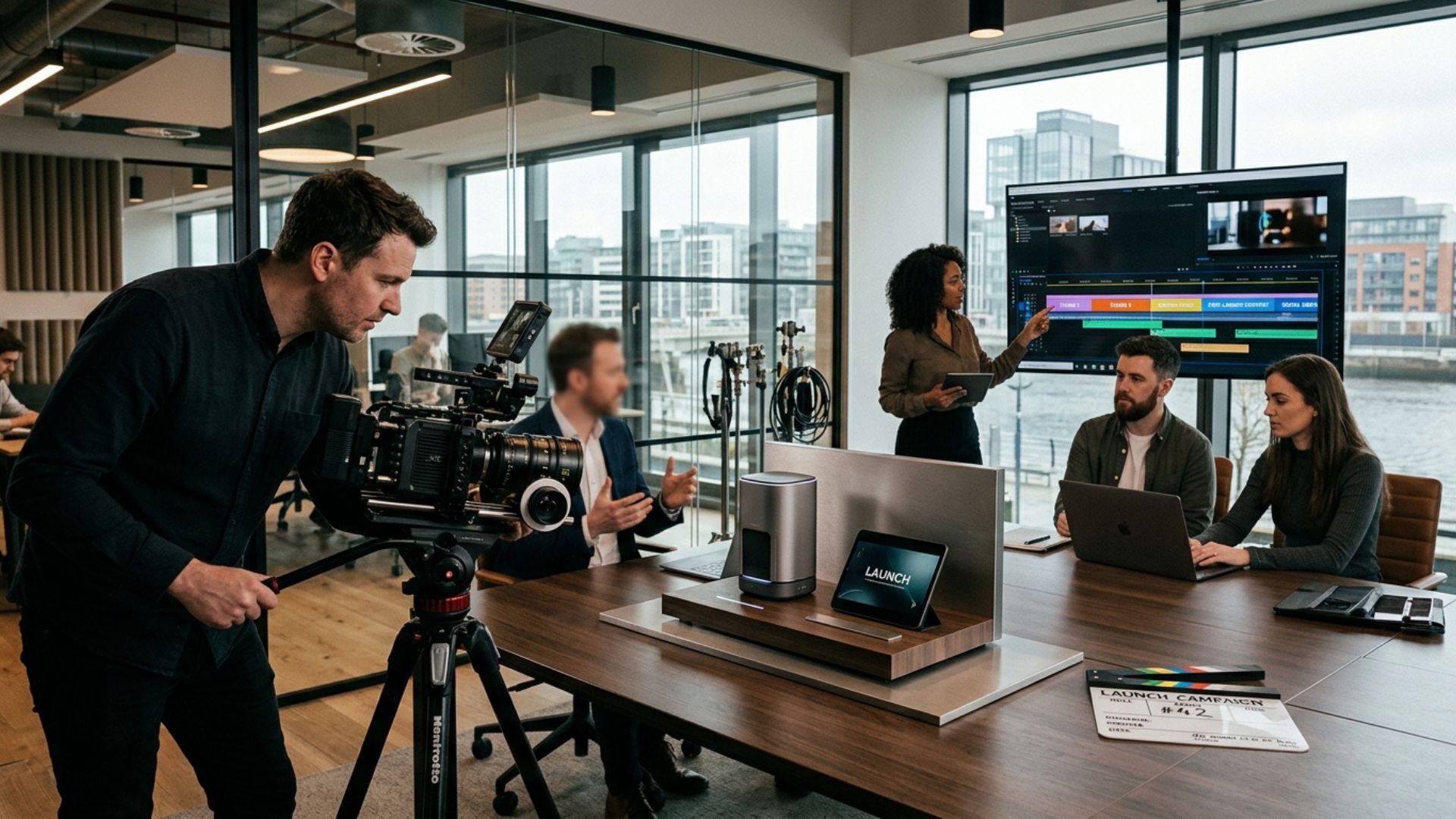
Dublin is home to a wide range of businesses, from startups and SMEs to multinational organisations. As competition for attention continues to grow, many companies are investing in professional video content to support marketing, recruitment, internal communications, and sales.
The city also offers practical advantages for video production, including:
- A large concentration of businesses and corporate headquarters: This physical proximity facilitates easier coordination, immediate consulting, and localized production loops for rapid-turnaround projects.
- Access to diverse filming locations: Within a short radius, crews can move from sleek, glass-fronted modern offices in the Silicon Docks to cobblestone historic paths, industrial parks, and dramatic coastal landscapes.
- Strong transport links: The city’s infrastructure allows logistics teams, specialized gear trucks, and production personnel to move predictably across locations, with direct links extending to national commuter belts.
- A growing demand for digital marketing content: Local consumer behavior mirrors global shifts, with platforms favoring high-retention video formats over static imagery, accelerating corporate visual investments.
- Access to experienced creative and production professionals: Because Dublin draws top-tier domestic and European talent, projects benefit from specialized camera operators, directors, lighting designers, and multi-lingual editors.
As a result, businesses in Dublin have access to a wide range of production options, from small-scale content shoots to larger commercial projects. This dynamic supply chain ensures that whether a company needs quick social media clips or an expansive multi-location brand broadcast, local teams possess the specific machinery and creative depth to execute it accurately.

What Types of Video Projects Do Businesses Typically Produce?
Video production can serve many different business objectives. The right type of video depends on your goals, audience, and where the content will be used. Choosing the appropriate format early prevents structural friction later and ensures that your budget is allocated to the creative elements that yield the highest conversion or engagement rates.
Common examples include:

Corporate Videos
Used to communicate information clearly to employees, customers, or stakeholders. These assets prioritize clarity, structural organization, and tone alignment over heavy stylistic stylization. Examples include:
- Company overview videos: Broad introductory films for websites, pitch decks, and stakeholder briefings that outline the organization's overarching value proposition and core operations.
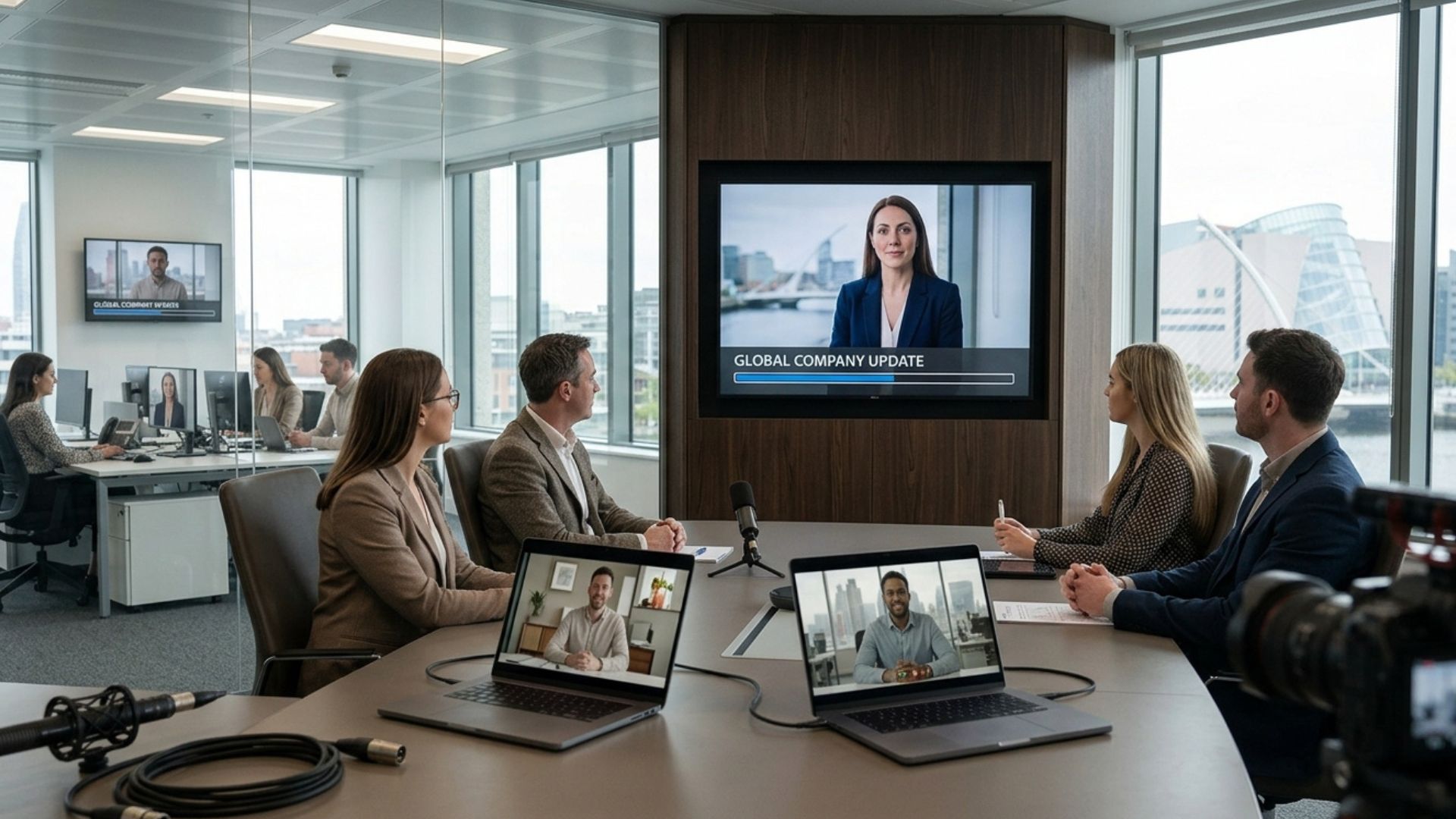
- Internal communications: Periodic town halls, CEO updates, structural shifts, or performance announcements designed to align internal workforces dispersed across hybrid setups.
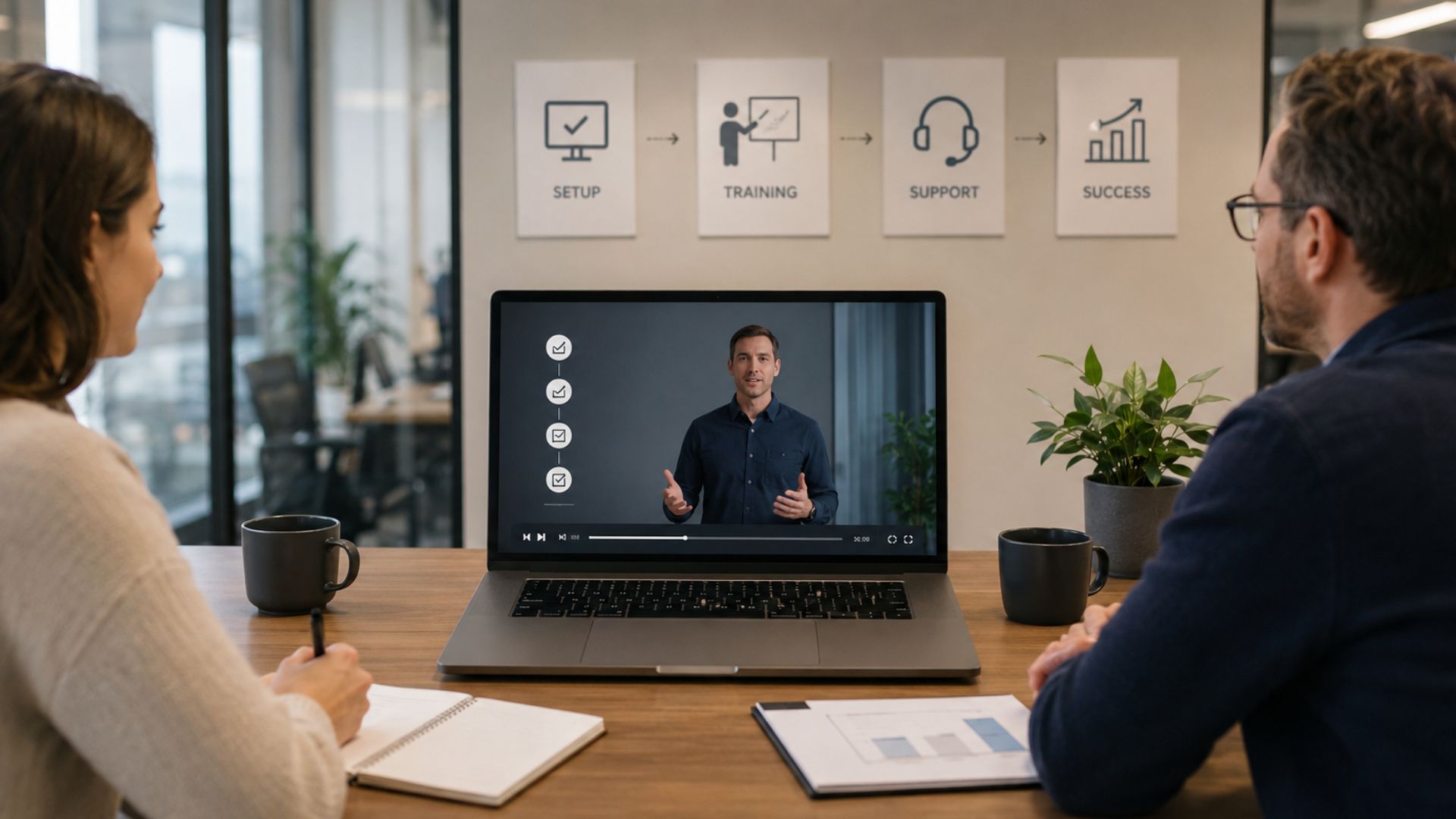
- Training videos: Scalable instructional assets that streamline employee onboarding, compliance updates, or operational training, ensuring standardized education without recurring human resource strain.
- Recruitment content: Visual culture pieces that give prospective hires a window into daily operations, team dynamics, and structural perks, supporting talent acquisition pipelines.

Brand Videos
Focused on storytelling, positioning, and building emotional connection with an audience. Unlike direct sales assets, brand videos emphasize core values, mission architectures, and cultural perspectives. These are often used on:
- Websites: Sitting prominently on home pages or "About Us" layouts to build immediate credibility with first-time digital visitors.
- Social media channels: Native distribution channels like LinkedIn, YouTube, Instagram, or TikTok, optimized for long-term algorithmic visibility and organic sharing.
- Marketing campaigns: Paid advertising runs across programmatic networks and social channels targeted toward specific prospect brackets.
- Brand awareness initiatives: High-concept top-of-funnel campaigns created to introduce the company identity to fresh demographics.
Testimonial Videos
Customer stories remain one of the most effective ways to build trust and credibility. A professional testimonial bypasses standard advertising skepticism by documenting an organic narrative of conflict, resolution, and measurable impact, recorded straight from a client or partner.
Event Videos
Businesses often invest in event coverage to maximise the value of conferences, launches, networking events, and corporate gatherings. These assets can take the form of comprehensive highlight reels, full-session archival captures, or prompt snippet packages optimized for immediate distribution while the live event remains topical.
Promotional Videos
Used to generate awareness, support campaigns, and encourage action from potential customers. These pieces are highly conversion-focused, frequently structured around a specific offer, product launch, seasonal campaign, or concrete call-to-action (CTA) to maximize direct marketing returns.
What the Video Production Process Typically Looks Like
Many businesses underestimate how much planning happens before filming begins.
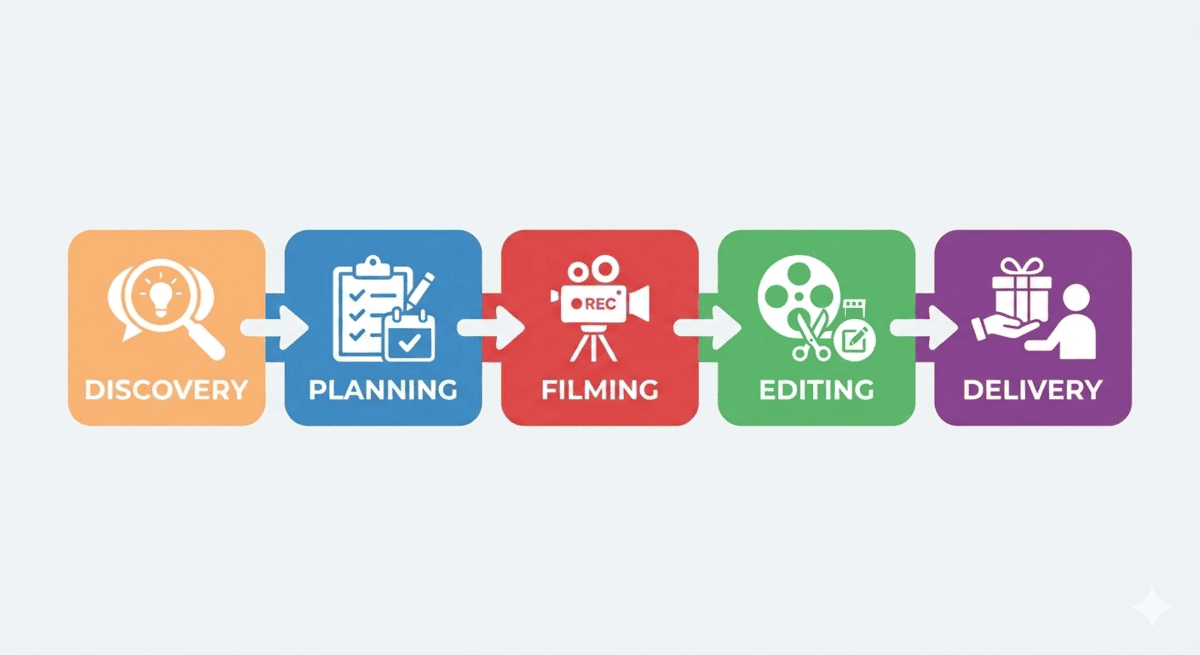
A professional video production project generally includes four stages:
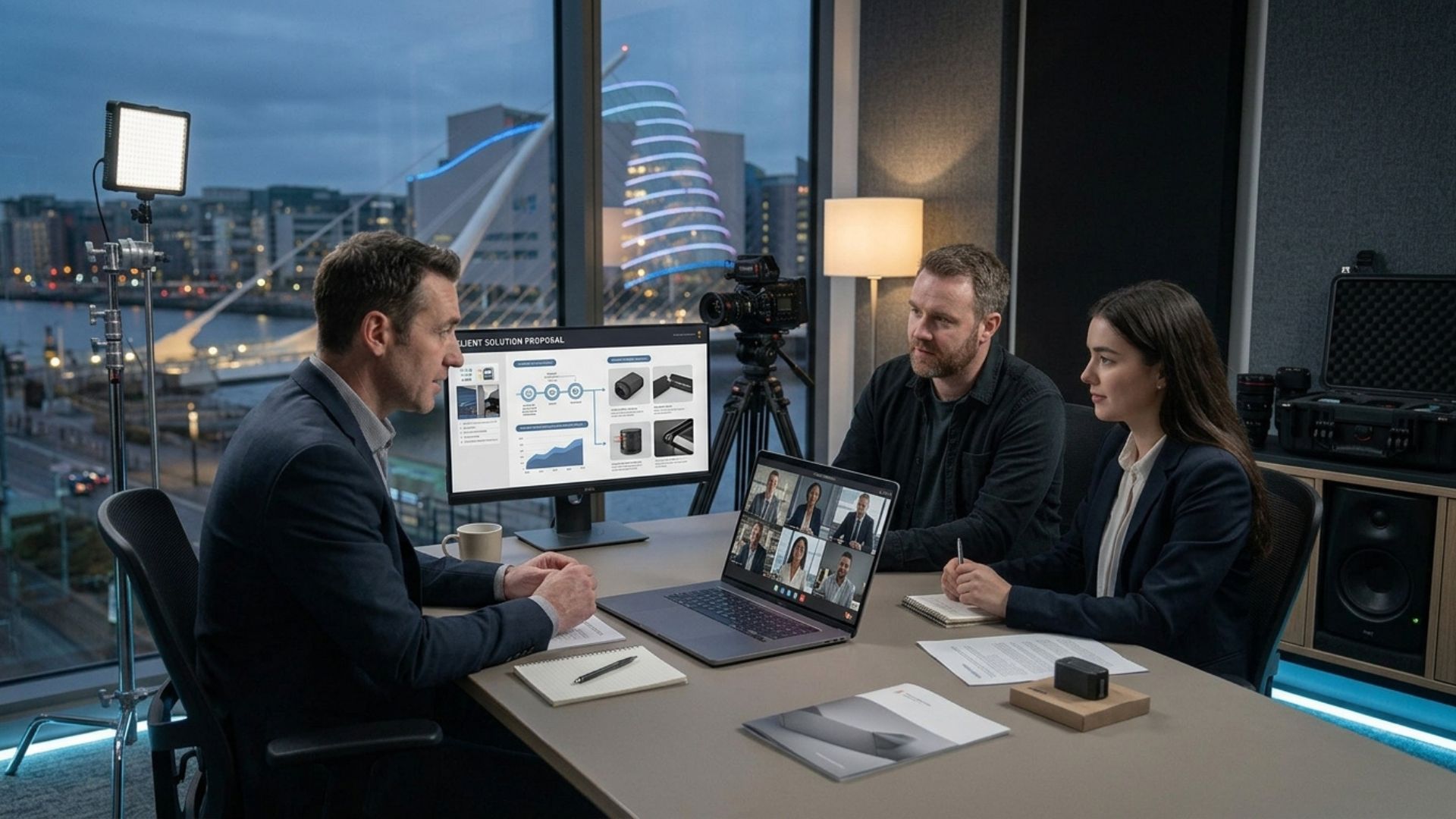
1. Discovery and Planning
This stage focuses on understanding:
- Business goals
- Target audience
- Key messages
- Distribution channels
Clear planning helps ensure the project stays focused and delivers meaningful results.
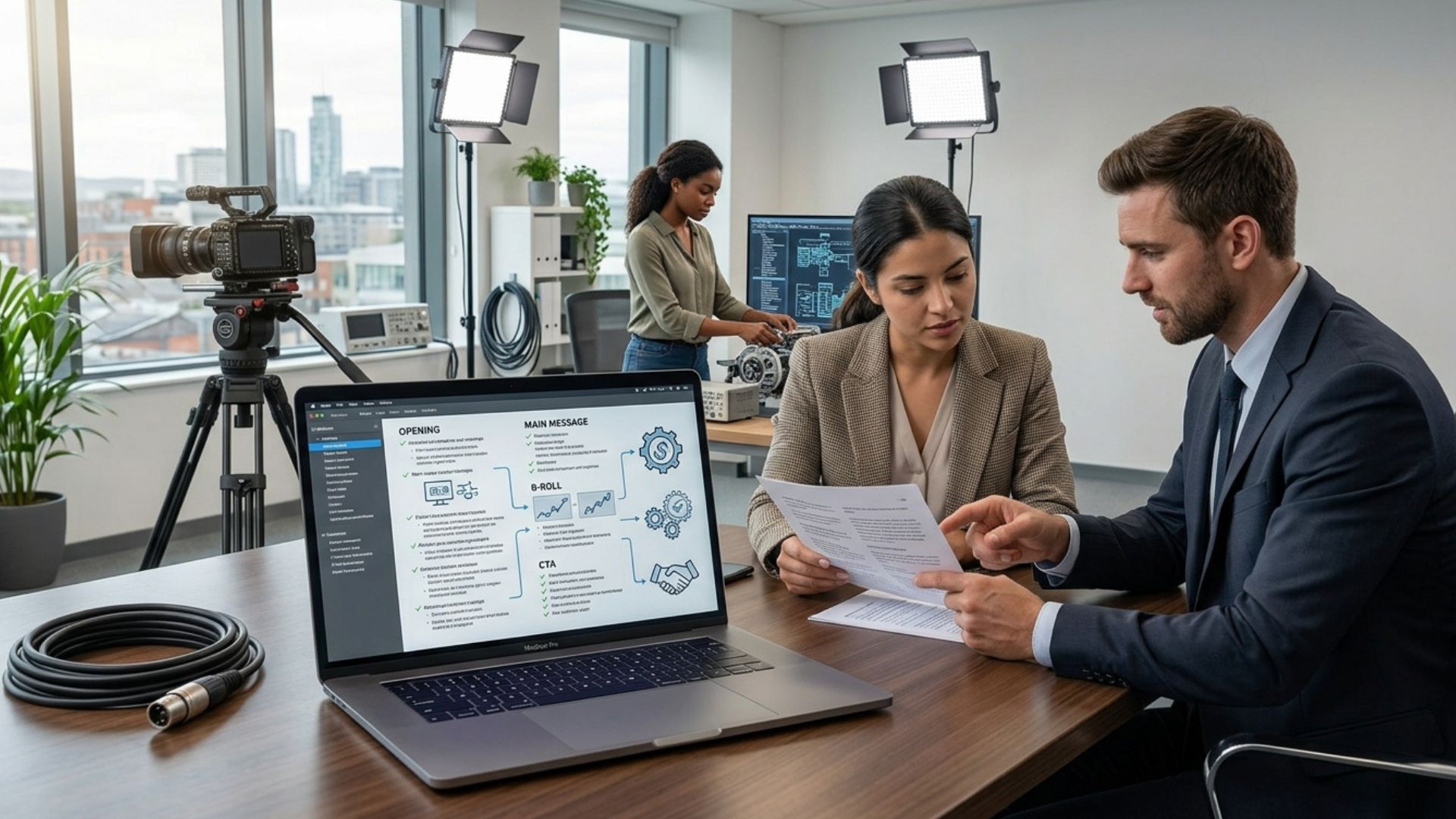
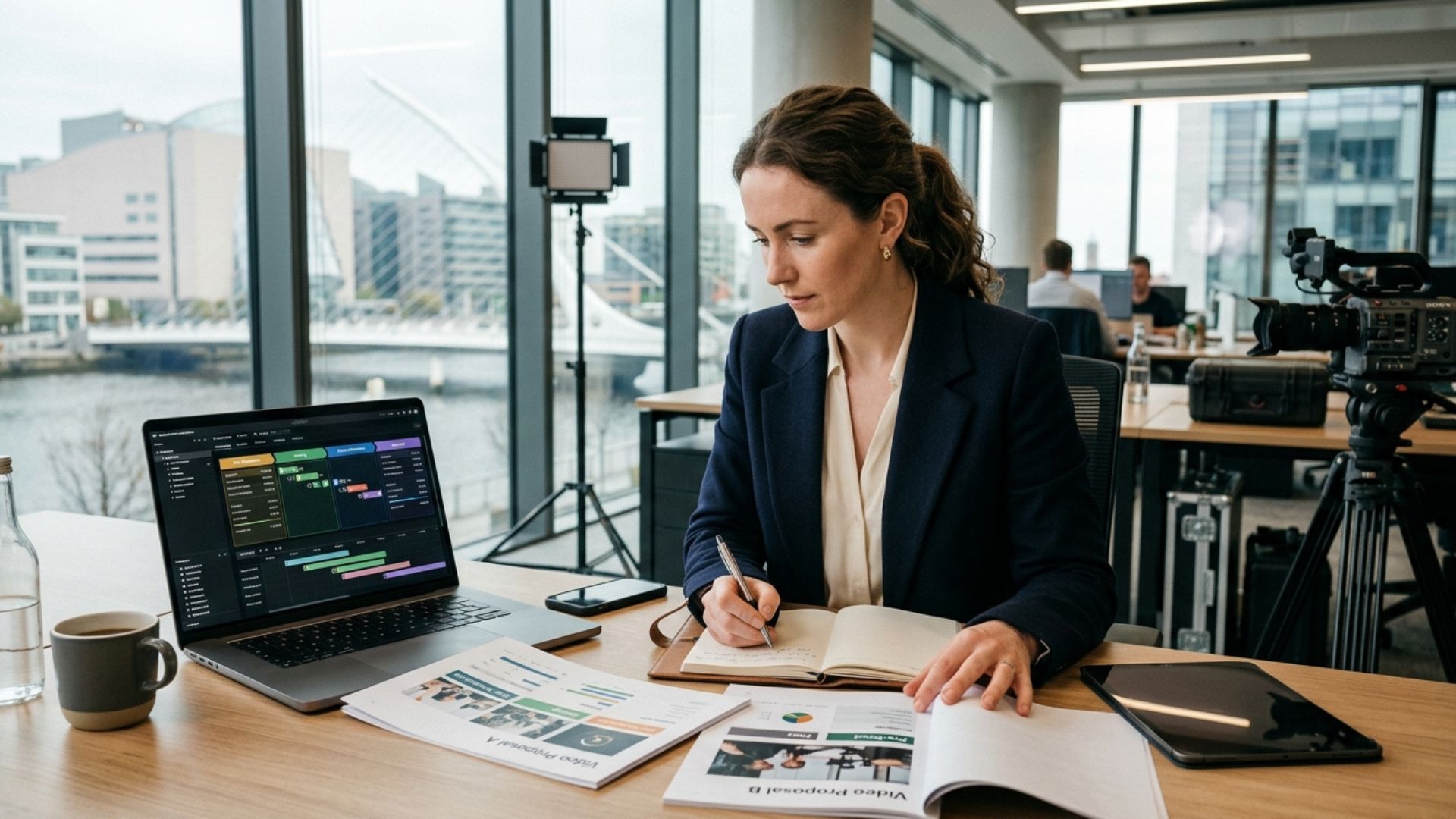
2. Pre-Production
This may include:
- Concept development
- Scriptwriting
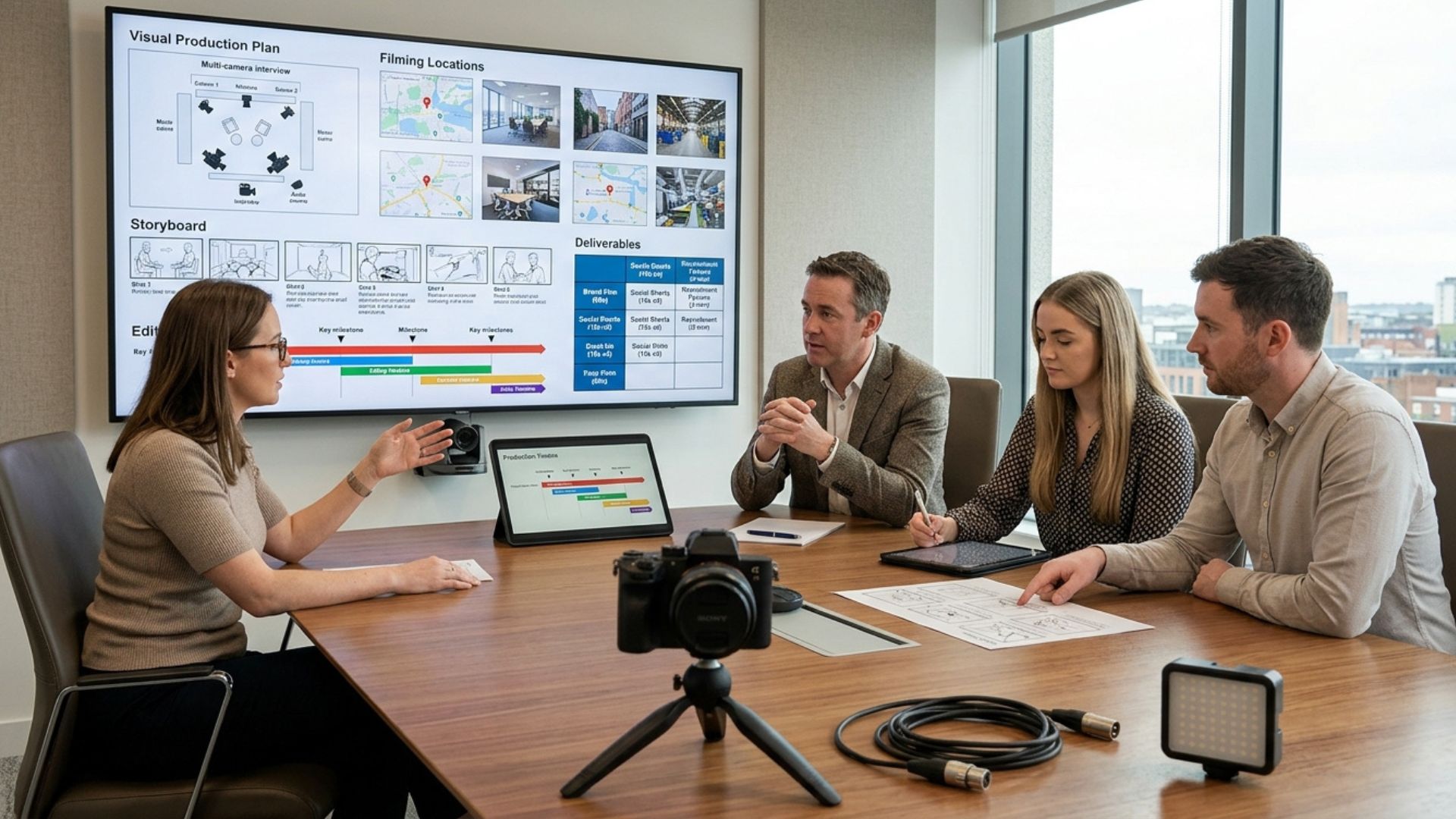
- Shot planning
- Location selection
- Scheduling
In our experience working with businesses across Ireland, strong pre-production is often one of the biggest factors influencing the success of a project.
.jpg)
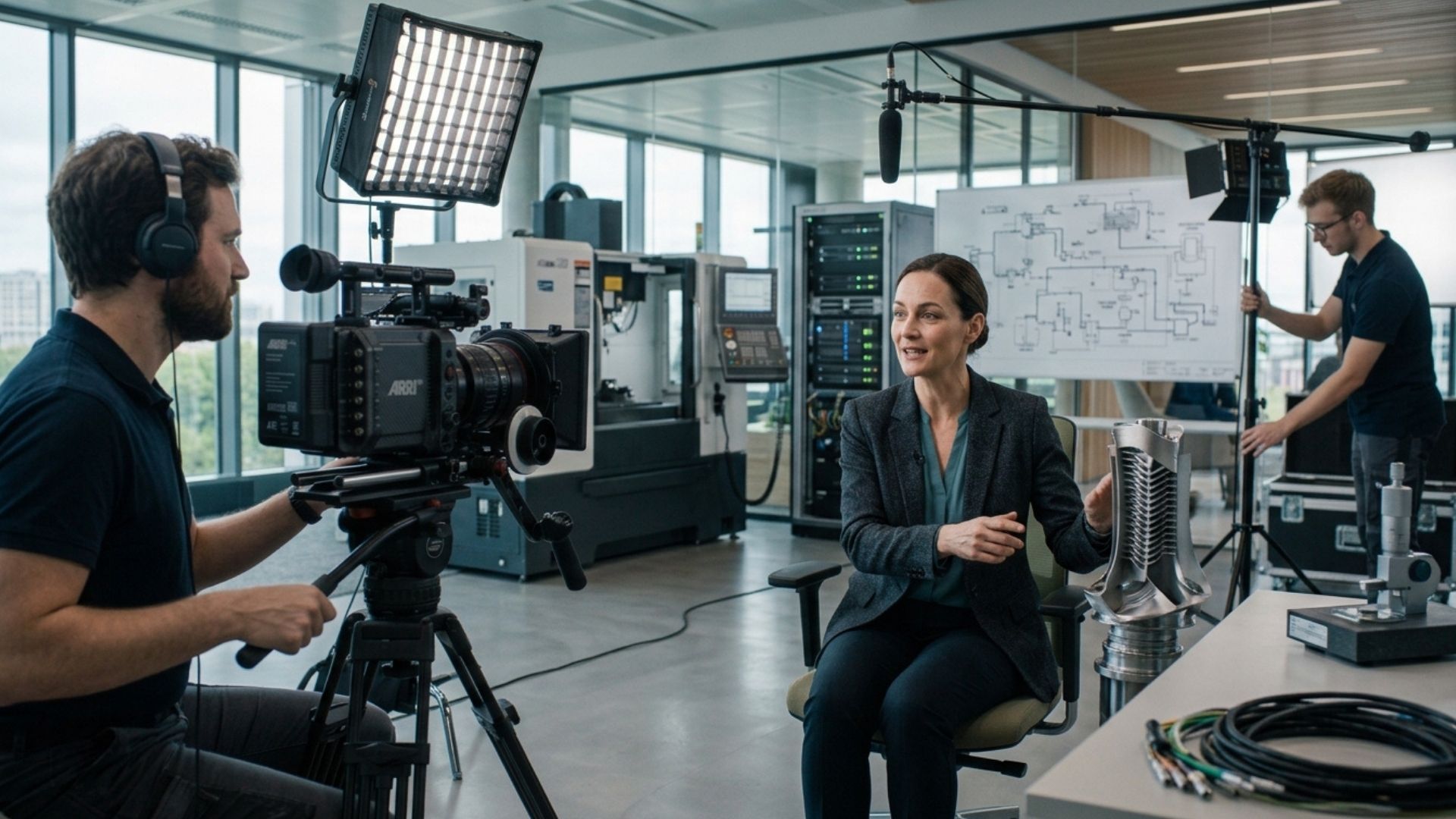
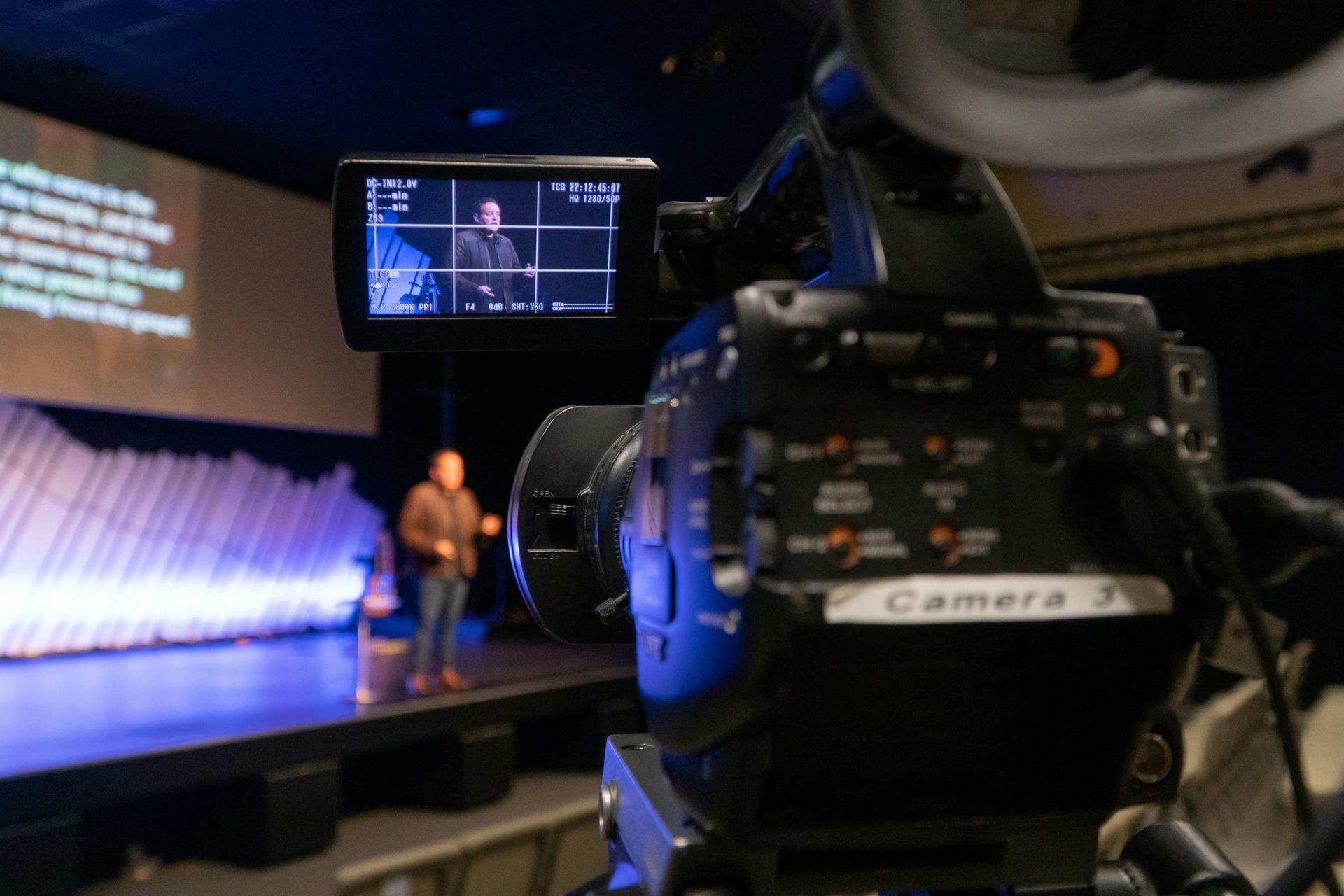
3. Production
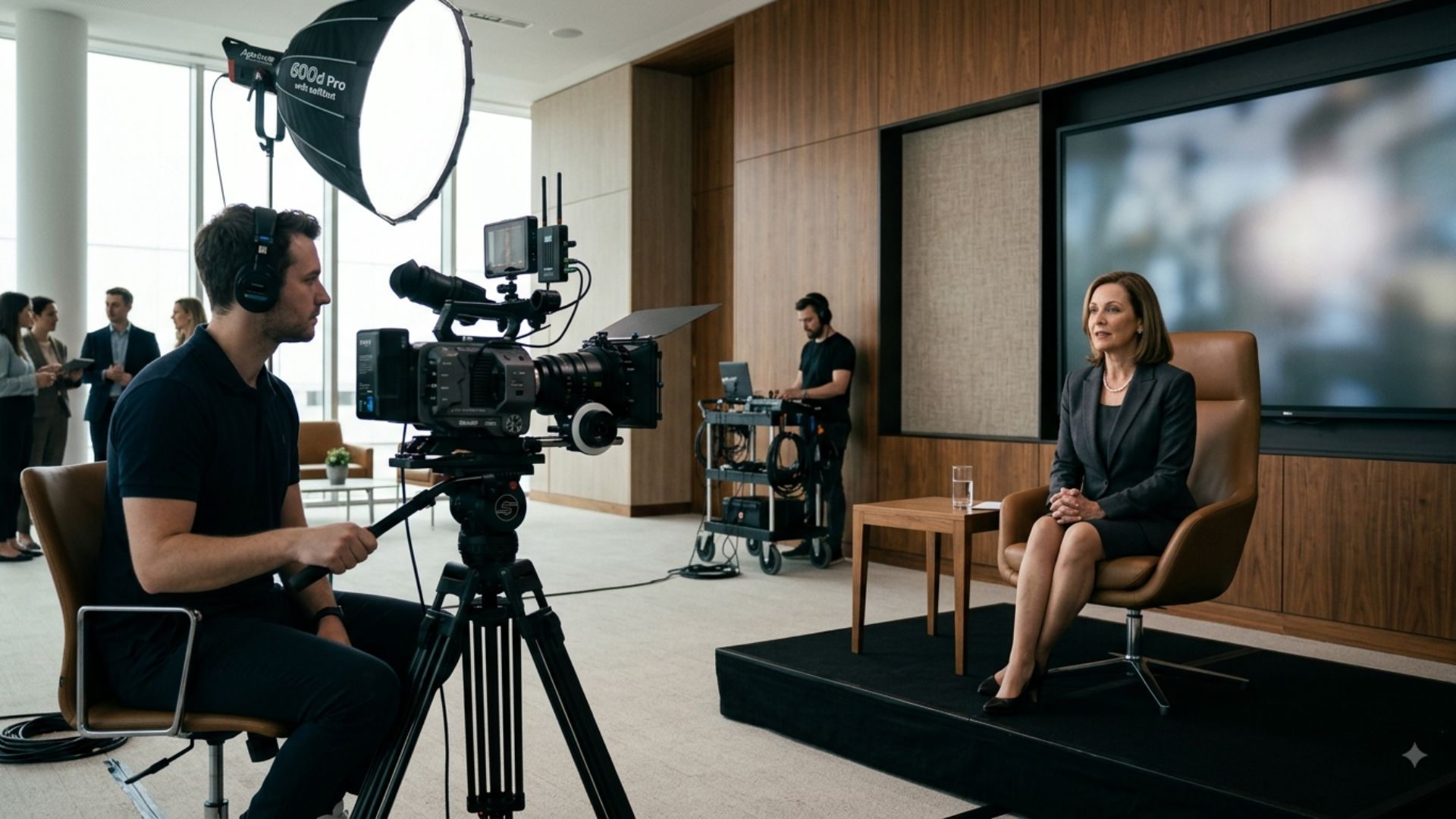
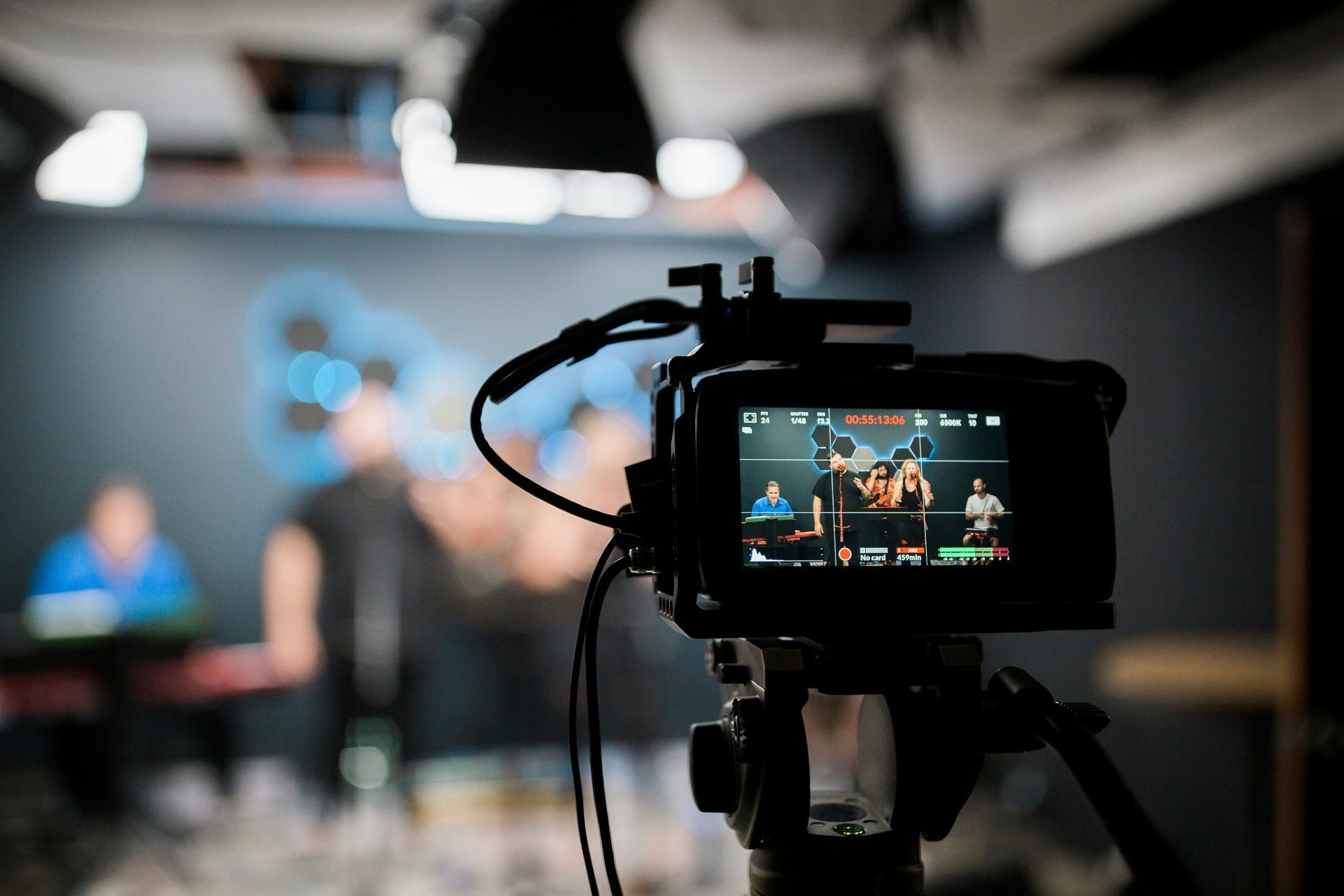
This is the filming stage.
Depending on the project, production may involve:
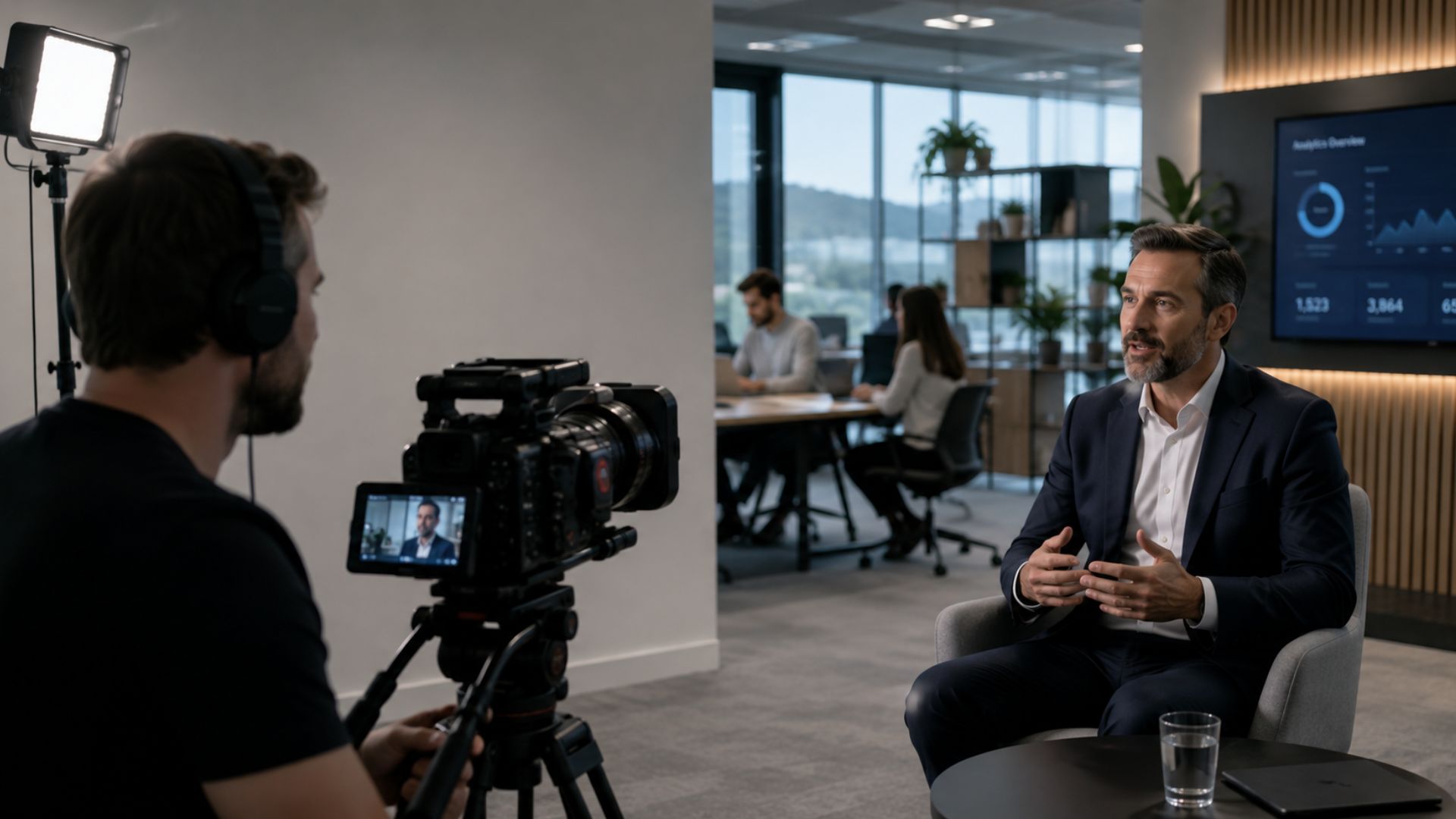
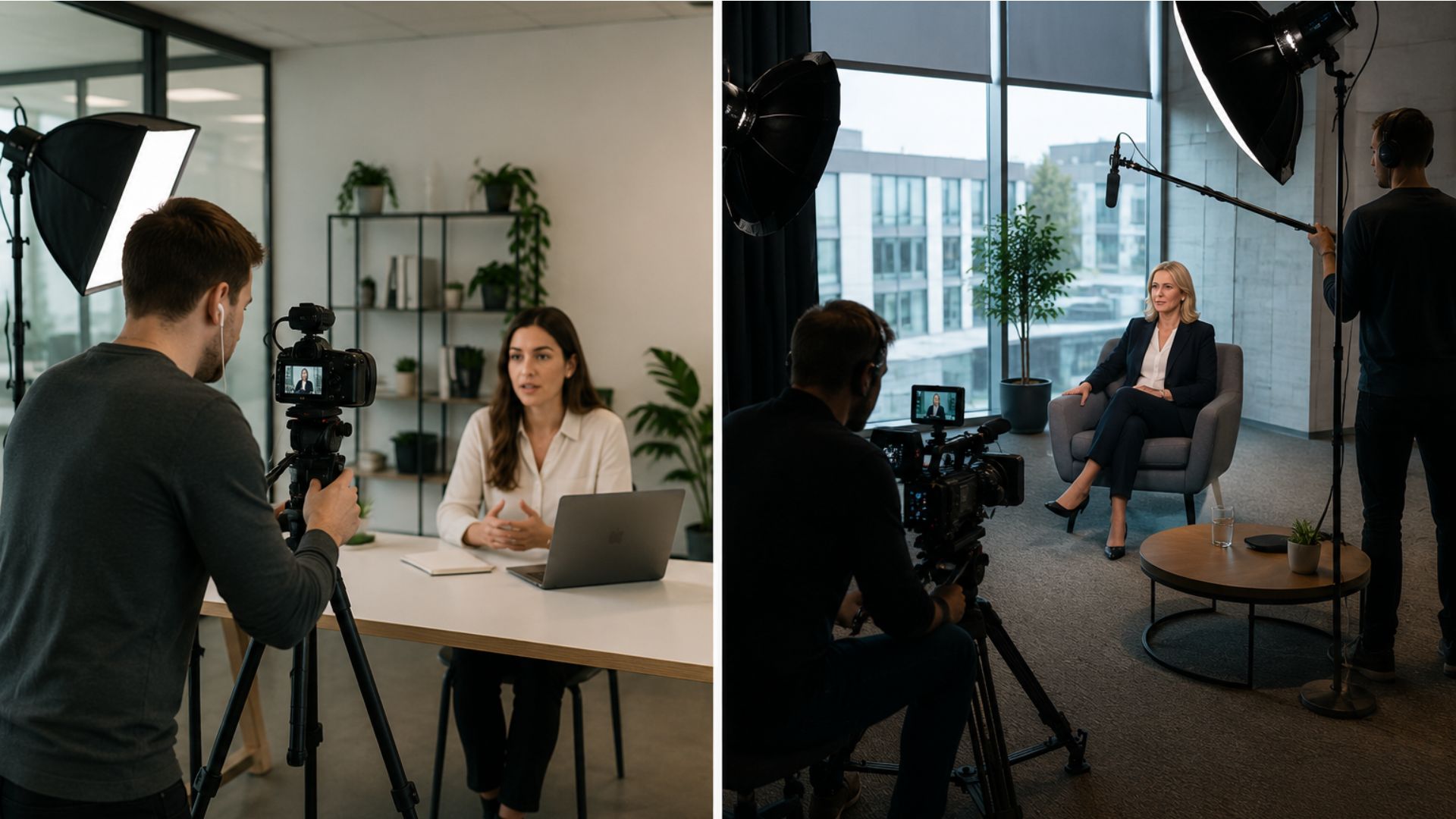
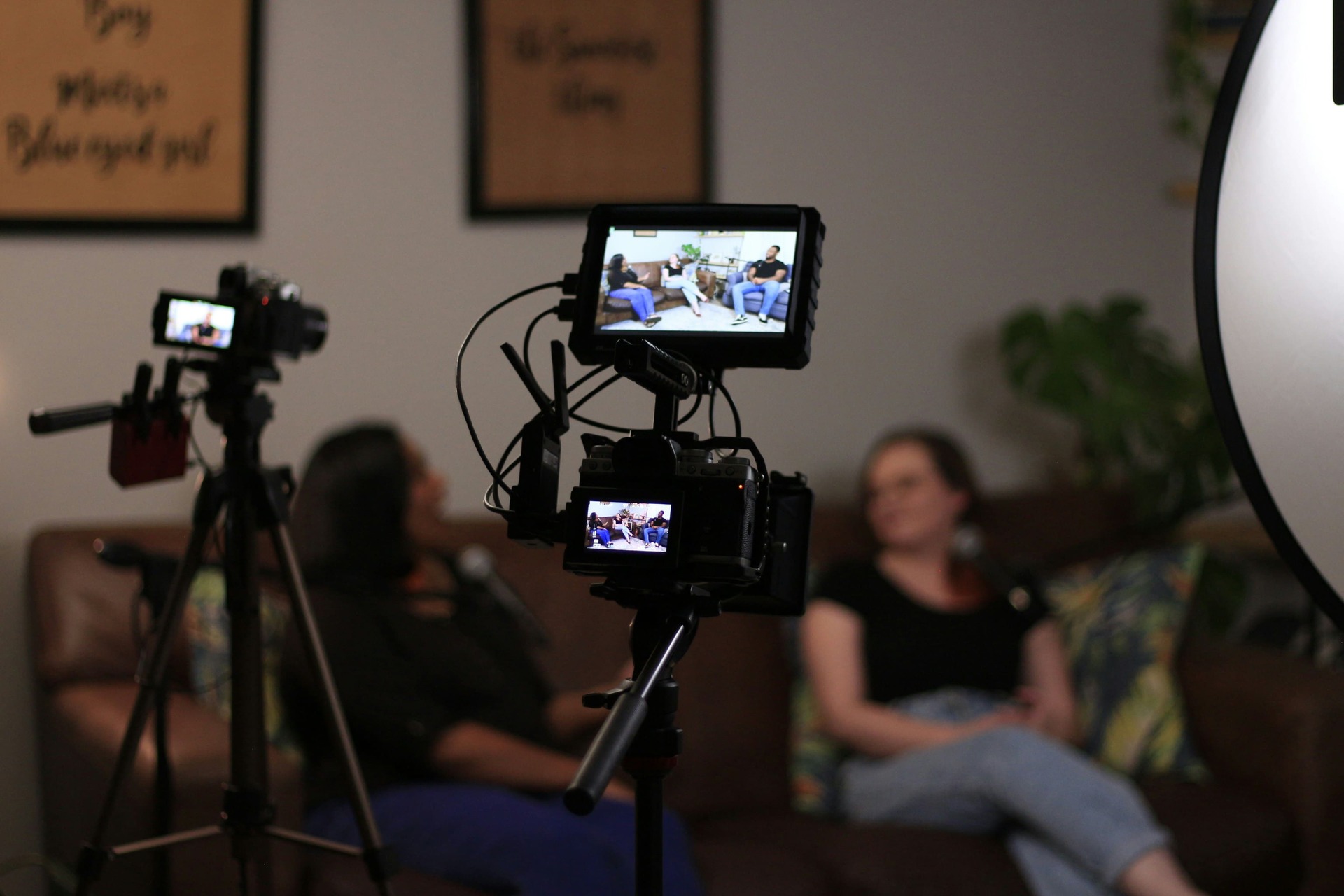
- Interviews
- B-roll footage
- Product demonstrations
- Event coverage
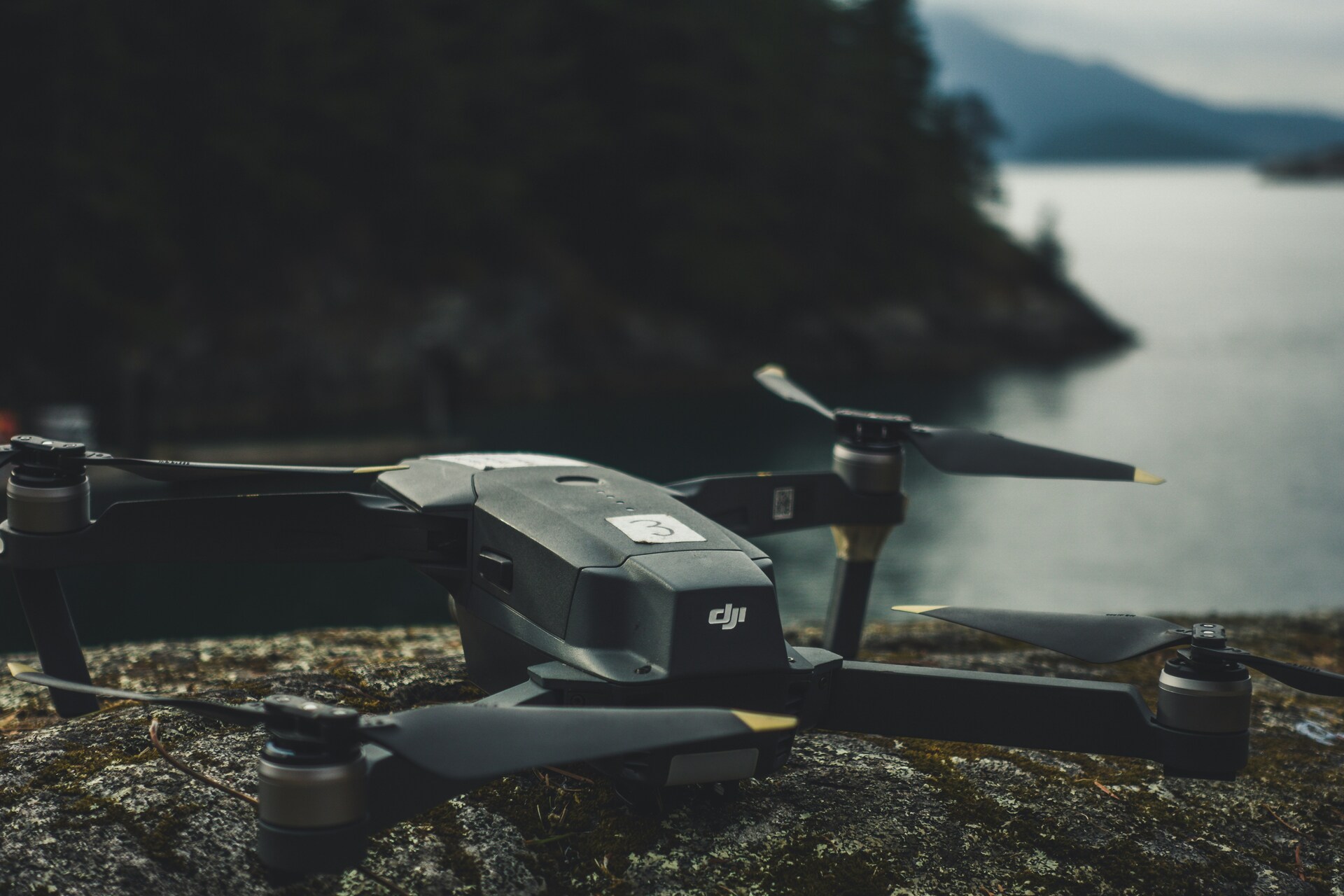
- Drone footage
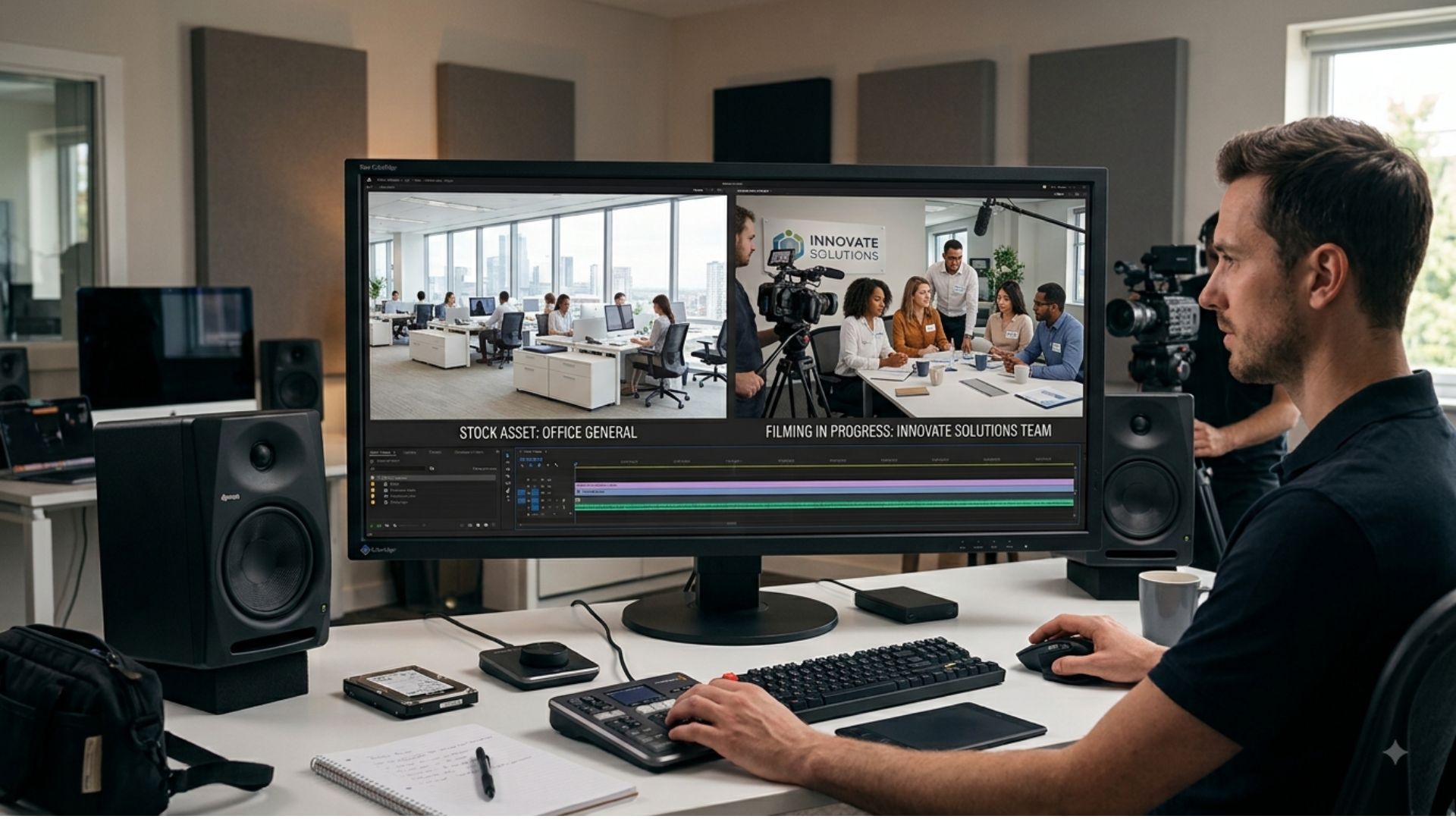
4. Post-Production
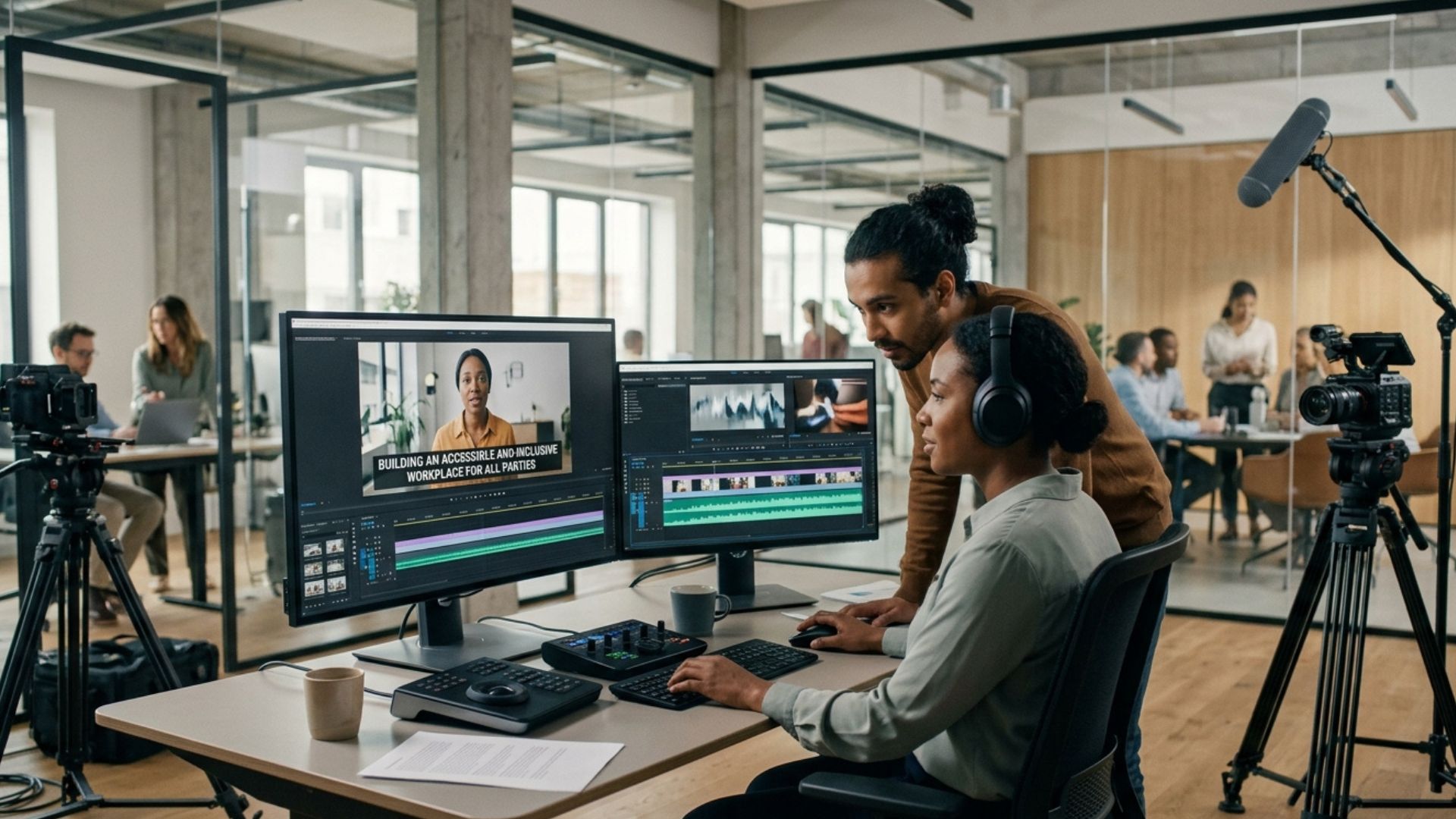
After filming, the project moves into editing.
This stage may include:
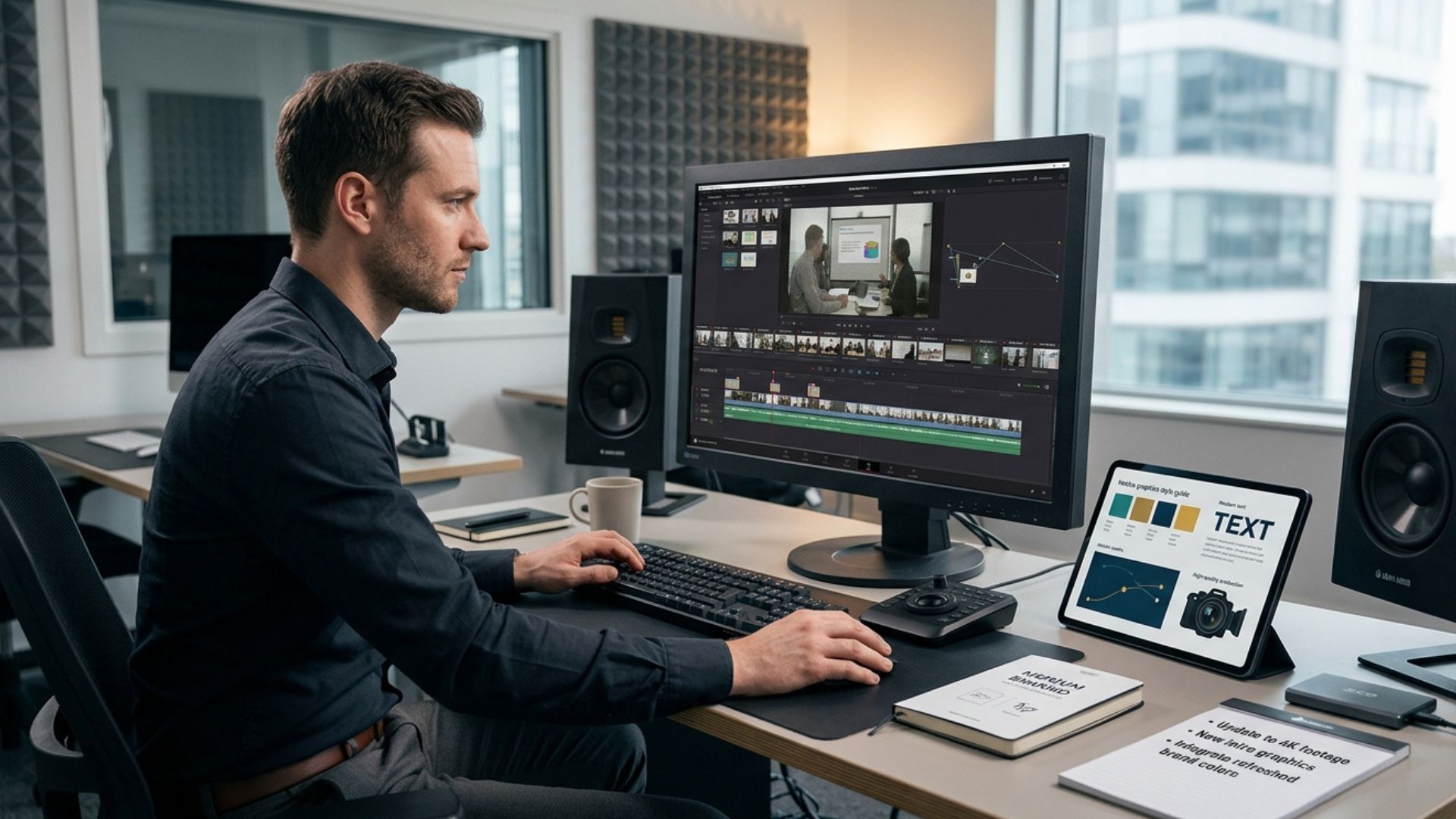
- Video editing
- Audio enhancement
- Colour grading
- Graphics and titles
- Revisions
- Final delivery
How Long Does Video Production Take?
Timelines vary depending on the complexity of the project. A quick, unscripted interview setup within an accessible corporate office requires substantially less logistical turnaround than an international brand launch film with intricate multi-tiered animations.
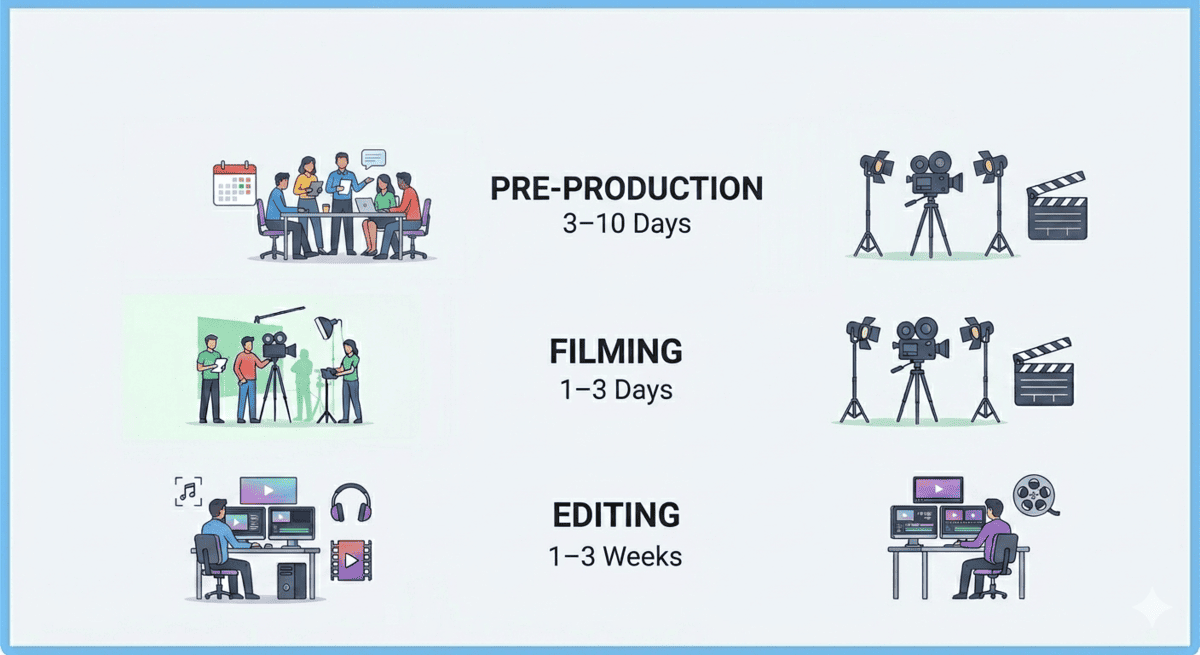
As a general guide:
- Pre-production: 3–10 days
- Filming: 1–3 days
- Editing: 1–3 weeks
More complex productions involving multiple locations, animation, or extensive revisions may take longer. For instance, projects requiring dedicated motion graphics or advanced multi-tier client approval gates can lengthen the post-production cycle by an additional two to four weeks.
Businesses planning content around a specific event, campaign, or launch should ideally allow sufficient time for review and revisions before the intended publication date. A compressed, rushed timeline limits fine-tuning windows, puts pressure on quality checks, and can lead to increased costs for expedited post-production labor.
What Influences the Cost of Video Production in Dublin?
Video production costs can vary significantly depending on the scope of the project. A professional project should be approached as an investment measured against specific business returns, where cost is directly linked to the technical depth and personnel required to fulfill the brief.
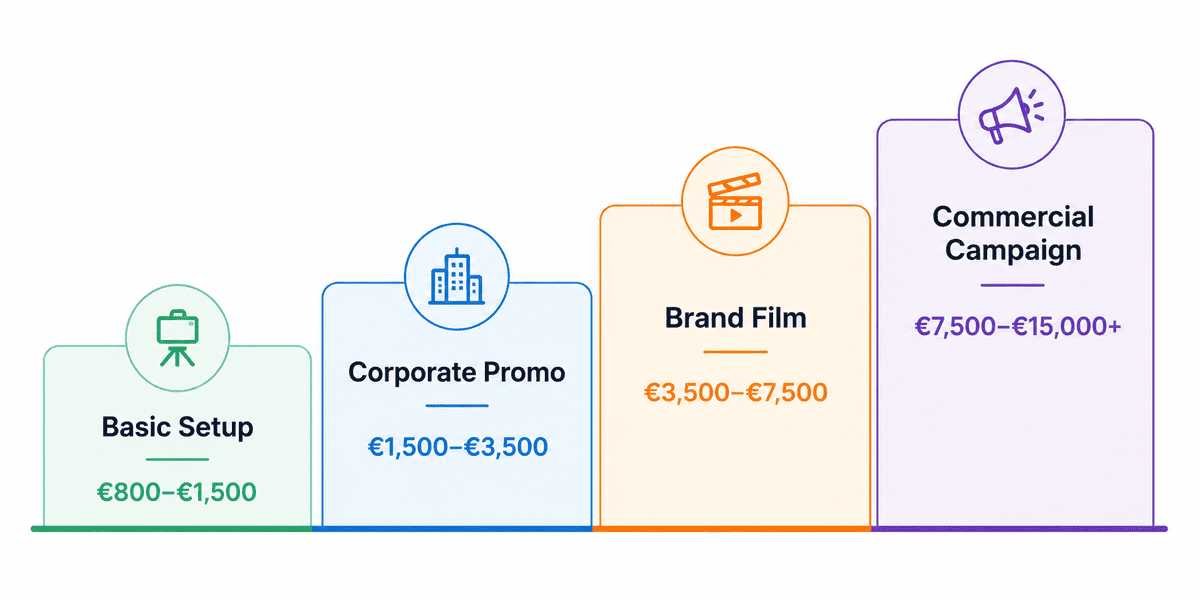
To help evaluate your project requirements, consider these typical price tiers in the Dublin market:
- Basic / Simple Setup (€800 – €1,500): Best suited for single talking-head interviews, quick internal executive announcements, or unadorned training clips.
- Standard Corporate Promo (€1,500 – €3,500): Best suited for standard company overviews, recruitment pieces, and case studies covering 1-2 distinct office environments.
- Multi-Location / Brand Film (€3,500 – €7,500): Best suited for scaled corporate campaigns, extensive product launches, and multi-department promotional films with a high variety of b-roll.
- Premium Commercial Campaign (€7,500 – €15,000+): Best suited for high-concept brand assets featuring professional voice talent, custom scripting, advanced drone elements, and precision motion design.
Factors that typically influence pricing include:
Project Complexity
A simple interview video requires fewer resources than a multi-day commercial production. Complex narratives demand deep conceptual work, structural scripting, detailed storyboarding, and advanced asset coordination before any physical equipment is deployed.
Number of Filming Days
Additional filming days generally increase costs due to crew, equipment, and logistics. Because equipment packages and crew members are billed on day or half-day rates, expanding the shoot length directly increases the baseline variable expenses.
Crew Requirements
The human resource allocation on set is scaled based on the aesthetic and logistical requirements of the script. Projects may require:
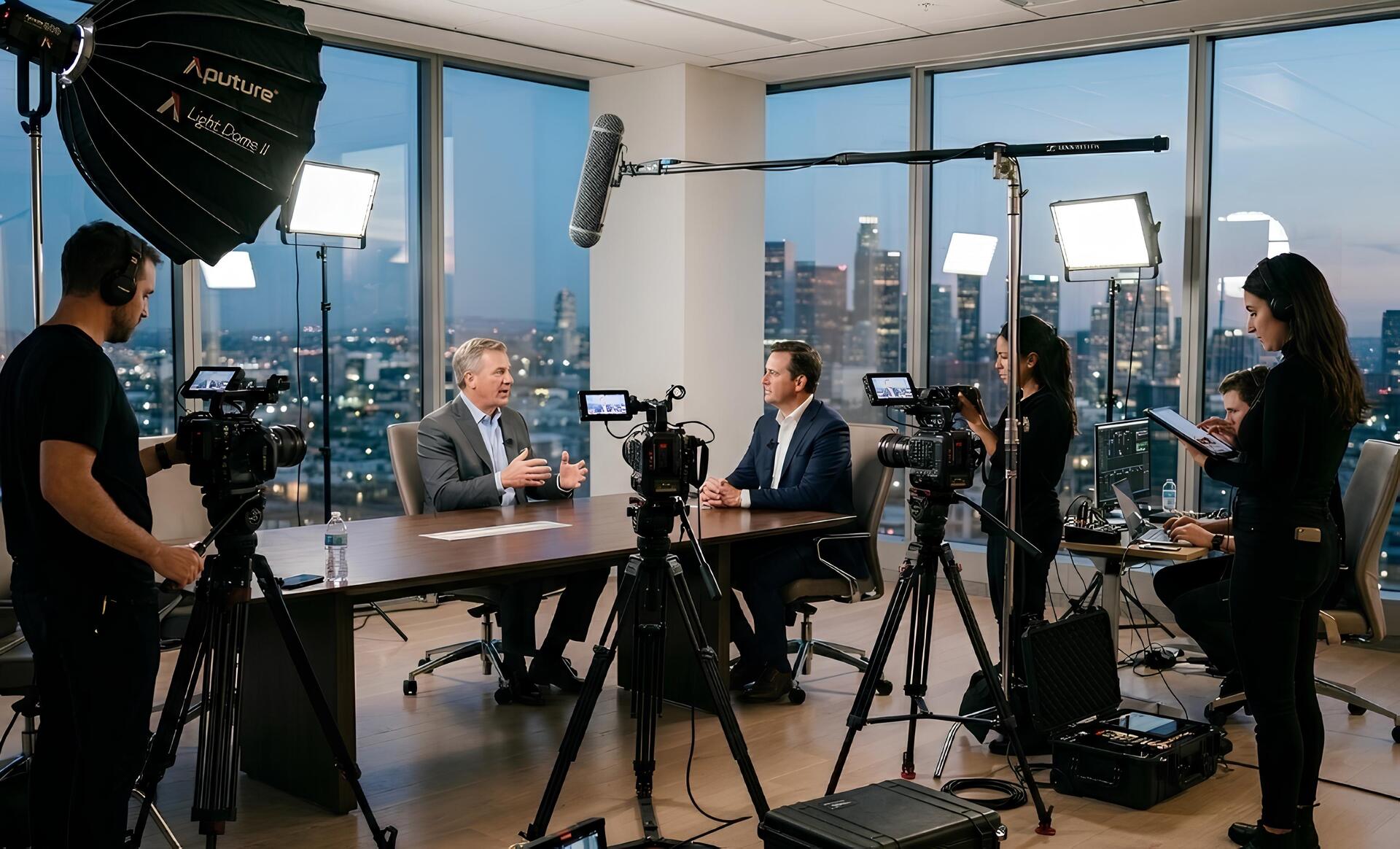
- Camera operators: Specialized professionals responsible for framework, camera movement, asset execution, and lens management.
- Producers: On-set coordinators managing client communications, schedule adherence, talent cues, and logistical transitions.
- Sound technicians: Specialists focused on capturing pristine audio, managing hidden radio lavaliers, and tracking ambient acoustic noise.
- Drone operators: IAA-certified remote pilots executing safe, legally compliant aerial captures within Dublin’s strict airspace structures.
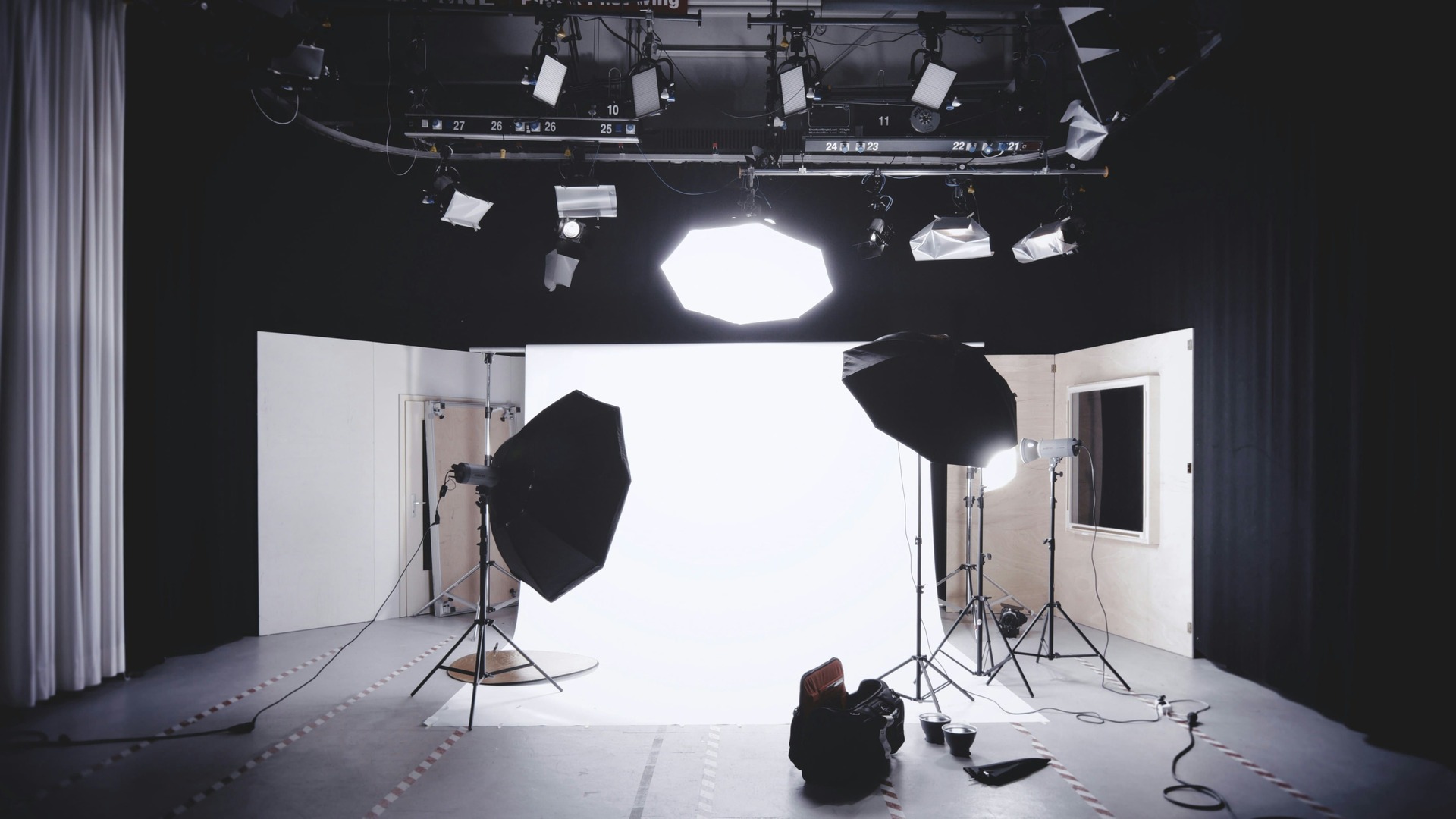
- Lighting specialists: Gaffers and technicians shaping multi-source light setups to ensure high-end visual tone and professional look.
Editing Requirements
More advanced editing, animation, motion graphics, and visual effects typically require additional production time. Incorporating extensive kinetic text, tracking 3D data graphics over live video elements, or engineering custom audio designs shifts the post-production timeline and requires specialized software and hardware skillsets.
Deliverables
Producing multiple versions for different platforms can also influence the overall project scope. Modifying a primary landscape asset into vertical 9:16 configurations for social media, exporting short 15-second teaser variations, or managing multi-language subtitling files expands rendering, reviewing, and optimization metrics.

What Businesses Should Look for in a Video Production Company
Choosing a production partner involves more than comparing prices. A cheaper estimate may reflect minimized planning cycles, outdated capture equipment, or a lack of long-term commercial perspective, which can put the final delivery quality at risk.
Consider factors such as:
- Relevant Experience: Look for examples of previous work in similar industries or project types. An agency specializing in cinematic fashion spots may not have the framework or experience required to navigate corporate B2B compliance training assets or industrial site safety shoots.
- Understanding of Business Goals: Strong production companies focus on outcomes, not just visuals. Your vendor must demonstrate curiosity regarding your business goals, sales pipelines, target customer behaviors, and conversion paths.
- Communication and Process: A clear production process often leads to smoother projects and fewer surprises. Look for companies that employ transparent project management applications, deliver clear milestone targets, and maintain accessible feedback loops.
- Portfolio Quality: Review previous work carefully to assess storytelling, audio quality, editing, and overall production standards. Listen closely for consistency in dialogue clarity, check how cleanly lighting treatments match, and evaluate if visual narratives flow logically.
- Strategic Thinking: A good production partner should understand how video fits into wider marketing, sales, recruitment, or communication objectives. They ought to offer consultation on how to maximize your visual assets, slice content down for multiple channels, and position calls to action to drive real business returns.
Common Mistakes Businesses Make
Recognizing common stumbling blocks ahead of time allows your organization to proactively design project workflows, protect budgets, and secure a much cleaner production experience from start to finish.
Choosing Based on Price Alone
The cheapest option does not always deliver the best value. Selecting a partner based solely on a low estimate often results in hidden project charges, missed deadlines, or an unpolished product that your marketing team cannot comfortably distribute.
Starting Without Clear Goals
Projects are more effective when success is defined before production begins. Embarking on a shoot without an isolated goal leads to unfocused scripts, bloated shot lists, and a confusing final edit that attempts to address too many disparate audiences at once.
Underestimating Planning
Rushed planning often creates problems later in the process. Skipping thorough location recces, neglecting deep script adjustments, or under-allocating schedule windows always creates compounding problems during the high-pressure shoot day or editing cycle.
Focusing Only on the Video Itself
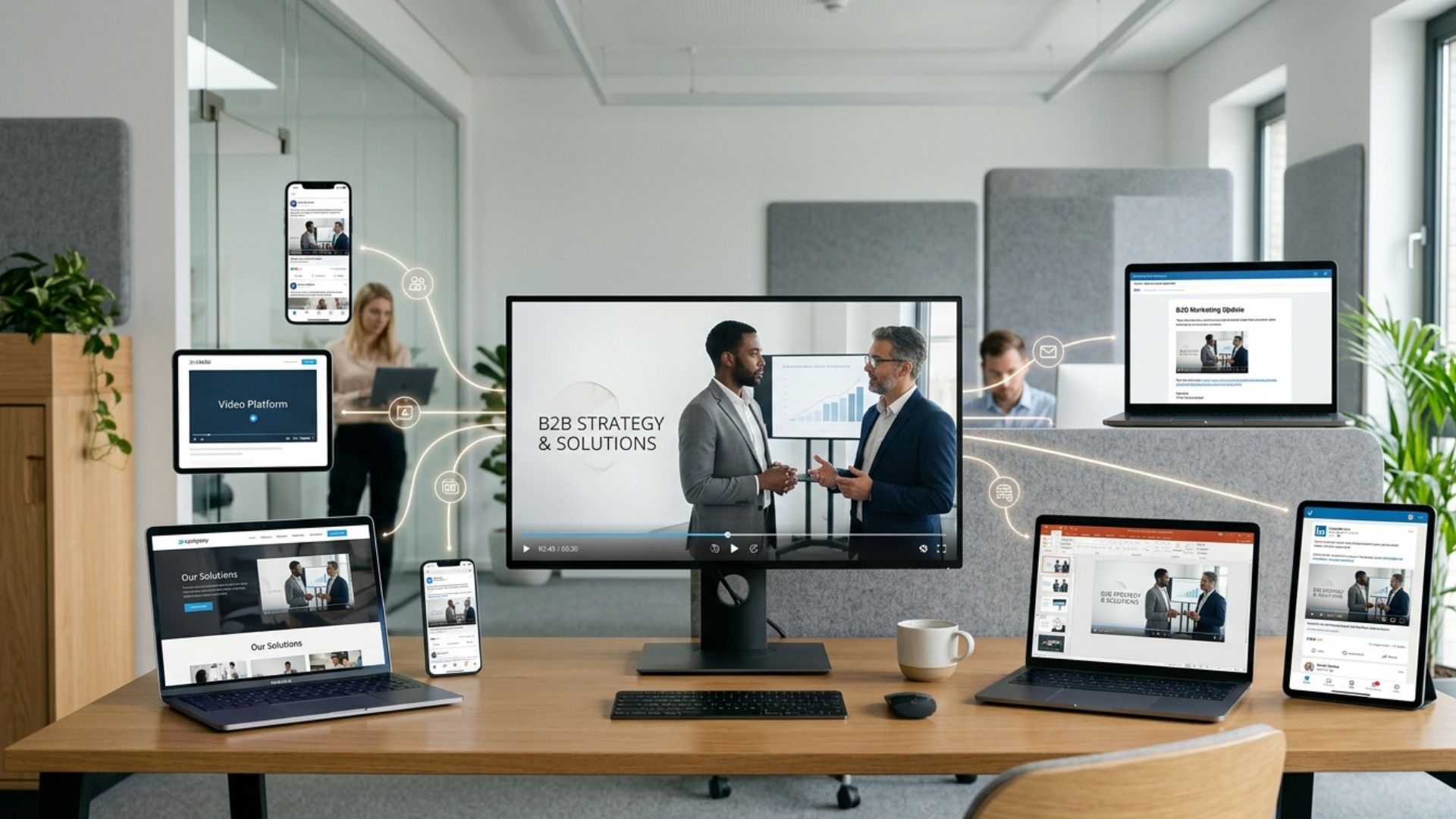
Distribution and promotion are just as important as production quality. Even a world-class brand video cannot convert prospects if it sits unindexed on a hidden page. A successful video project must launch with an accompanying distribution strategy covering SEO, paid spend, or internal distribution channels.
Why Location Isn't Everything
Many businesses begin their search by looking specifically for a video production company in Dublin. It is an intuitive starting point, driven by the assumption that proximity simplifies scheduling and minimizes travel overheads.
While location can be helpful, it's often more important to find a team that understands your objectives, audience, and desired outcomes.
With modern production workflows, businesses increasingly work with production partners across different parts of Ireland while still filming in Dublin when required.
The quality of strategy, planning, and execution will usually have a greater impact on results than location alone. Partnering with a top-tier crew that shares your creative vision and business goals yields a substantially stronger return on investment than choosing a local team simply because of their address.

From Research to Project Planning
Once you understand what to expect from video production in Dublin, it becomes much easier to evaluate potential production partners and define the scope of your project. This knowledge helps you approach discovery sessions as an informed collaborator, capable of setting clear parameters around budget scopes, logistical windows, and aesthetic expectations.
The most successful projects typically begin with clear objectives, realistic timelines, and a strong understanding of how the final video will be used after delivery. When you treat video production as a systematic business process rather than an unpredictable artistic experiment, you unlock a highly reliable mechanism for capturing audience attention and scaling your brand's voice.
Conclusion
Professional video production can be a valuable investment when it's aligned with clear business objectives and a well-planned process. Understanding what to expect helps businesses make informed decisions, avoid common mistakes, and get more value from their investment.
If you're exploring a video project, you can learn more about our video production services, try our instant price calculator, or get in touch with the Mango Media team for a no-obligation conversation.
Frequently Asked Questions
How much does video production cost in Dublin?
Costs vary depending on project complexity, filming requirements, and editing needs. Simple projects may cost significantly less than multi-day commercial productions.
How long does a video production project take?
Most business video projects take between two and four weeks from initial planning to final delivery, although larger projects may require additional time.
Do I need a Dublin-based video production company?
Not necessarily. Many businesses work with production companies located elsewhere in Ireland while filming projects in Dublin.
Similar blogs:


















![How to Write a Promo Video Script (Free Template Included) [2026 Guide]](https://cdn.prod.website-files.com/6226fcc37e2eb518b6e69a7f/69c3804c0b9ea78696bd89e0_covertab11.jpeg)


.jpg)
%20(1)%20(1).jpg)
.jpg)






We'd love to hear from you! Reach out to us today for a chat about our services, pricing, or just to say hello!


