
In today’s oversaturated inboxes, getting your email noticed — let alone opened — is no easy feat. In this article, we’ll explore the power of video in email campaigns, how to embed video content the right way, best practices to maximise performance, and how to track your results. Whether you’re a startup, marketer, or creative agency, using video in your emails can be a game-changer for audience retention and conversions.
Beyond the Basics: 10 Corporate Video Ideas That Actually Drive Results
It’s no secret that digital marketing is now a video-first game. For most businesses, a high-quality video has gone from being a luxury to a day-to-day requirement for staying competitive. But it’s not just about filming something—it’s about choosing the right format for the right goal. Let’s dive into the strategies that work for modern organizations and look at how to execute them effectively.
1. Brand Story Videos
A brand story video is designed to communicate who your company is, what you stand for, and why customers should trust you. In the modern marketplace, consumers are increasingly disillusioned by faceless corporations. They want to know the people behind the product.
A strong brand video often includes:
- The company’s background or mission: Where did you start, and what is the "North Star" that guides your daily operations?
- Behind-the-scenes footage: Authentic clips of the team at work, which humanizes the brand.
- Interviews with founders or team members: Hearing the passion in a founder's voice is more convincing than any tagline.
- Customer-focused messaging: How your mission directly benefits the lives of your clients.
- Visual examples of the company in action: B-roll footage of your office, factory, or service delivery in real-time.

These videos work particularly well on:
- Company websites
- Homepage banners
- About pages
- LinkedIn campaigns
- Sales presentations
The key is authenticity.
2. Client Testimonial Videos
Few forms of marketing are more persuasive than hearing directly from satisfied customers. While a brand video is you talking about yourself, a testimonial is the world talking about you.
Client testimonial videos help reduce doubt during the buying process by showing real people talking about real experiences.
A strong testimonial video usually focuses on:
- The customer’s original problem: Defining the "pain point" so the viewer can identify with it.
- Why they chose the company: What set you apart from the competition?
- The experience of working together: Was the communication good? Was the process seamless?
- The final outcome or result: The tangible benefit, such as increased revenue, saved time, or peace of mind.
This format works because it shifts the conversation away from self-promotion. Instead of a company saying “we’re great,” the customer says it for them.

Testimonial videos are especially useful for:
- Service-based businesses
- B2B companies
- Recruitment agencies
- Healthcare providers
- Construction and property businesses
- SaaS and technology companies
To make testimonial videos more effective, businesses should avoid overly scripted interviews. Natural conversation usually performs better than memorised responses. Using an "interview style" where a producer asks open-ended questions off-camera helps the client speak from the heart.
Good production still matters, however. Clear audio, professional lighting, and thoughtful editing help the company appear more credible and trustworthy.
3. Recruitment Videos
Hiring strong employees has become increasingly competitive across many industries. In a candidate-driven market, top-tier talent isn't just looking for a salary; they are looking for a workplace where they belong.
Recruitment videos help businesses attract the right candidates by giving potential applicants a better understanding of the company culture, work environment, and opportunities.
A recruitment video can include:
- Office or workplace footage
- Employee interviews
- Team activities
- Leadership messaging
- Day-in-the-life content
- Career progression examples

One of the biggest advantages of recruitment videos is that they help pre-qualify candidates. If your culture is fast-paced and high-energy, a video will convey that. Candidates who thrive in that environment will be excited, while those who prefer a quiet, solitary workspace might realize they aren't the right fit.
Applicants get a clearer sense of the company before applying, which often leads to stronger applications and better cultural fit.
Recruitment videos are particularly effective when businesses want to:
- Attract younger talent
- Improve employer branding
- Support large hiring campaigns
- Fill specialist roles
- Showcase company culture
Many businesses underestimate how much potential employees research a company before applying.
A well-made recruitment video can immediately make an organisation appear more professional, modern, and appealing.
4. Explainer Videos
Explainer videos are designed to simplify complex products, services, or processes. In an age of information overload, your customers do not want to read a 10-page whitepaper to understand what you do.
These videos are especially valuable for businesses offering technical, specialist, or unfamiliar services.
A good explainer video should answer:
- What does the company do?
- What problem does it solve?
- How does the process work?
- Why should customers care?
Explainer videos are commonly used by:
- Technology companies
- Financial services firms
- Healthcare providers
- Software businesses
- Manufacturing companies
- Professional service providers
They can be created using:
- Live-action video
- Animation
- Motion graphics
- Screen recordings
- Voice-over narration

The most effective explainer videos are concise and easy to follow. Ideally, they should stay under the two-minute mark to ensure the viewer's attention doesn't wander.
Businesses often make the mistake of trying to include too much information in one video. Simplicity generally leads to better engagement and higher viewer retention. If you have five different services, consider five short videos rather than one long, confusing one.
5. Product Demonstration Videos
Product demo videos show customers exactly how a product works.
This type of content helps businesses reduce uncertainty and improve buyer confidence.
Instead of relying solely on written descriptions or photos, demo videos allow customers to see the product in action.
A product demo video might include:
- Product features
- Real-world usage examples
- Setup instructions
- Before-and-after comparisons
- Performance demonstrations
Product videos are highly effective for:
- Ecommerce brands
- Technology products
- Industrial equipment
- Consumer products
- Software tools
- Medical devices
In many industries, customers want clarity before making a purchasing decision. They want to know exactly what arrives in the box and how it will solve their specific problem.
A strong demo video can answer common objections before a sales conversation even happens.

These videos also tend to perform well on landing pages, product pages, and social media advertising campaigns. A video ad showing a product in use consistently outperforms a static image in terms of click-through rates.
6. Behind-the-Scenes Videos
Behind-the-scenes content gives businesses an opportunity to appear more human and transparent.
These videos are often less polished than traditional corporate videos, but that can actually make them more engaging.
Behind-the-scenes videos can show:
- Production processes
- Team collaboration
- Company events
- Office culture
- Creative development
- Project preparation

This style of content works particularly well on social platforms such as LinkedIn, Instagram, and TikTok. These platforms reward authenticity and personality over high-end production.
Businesses that regularly publish behind-the-scenes content often find it easier to build familiarity and audience trust over time.
These videos can also support broader marketing campaigns by adding additional layers of content around a larger project or company initiative.
For example, a business launching a new service might release:
- A main promotional video
- Behind-the-scenes clips
- Team interviews
- Short social edits
This creates more content opportunities from a single production shoot.
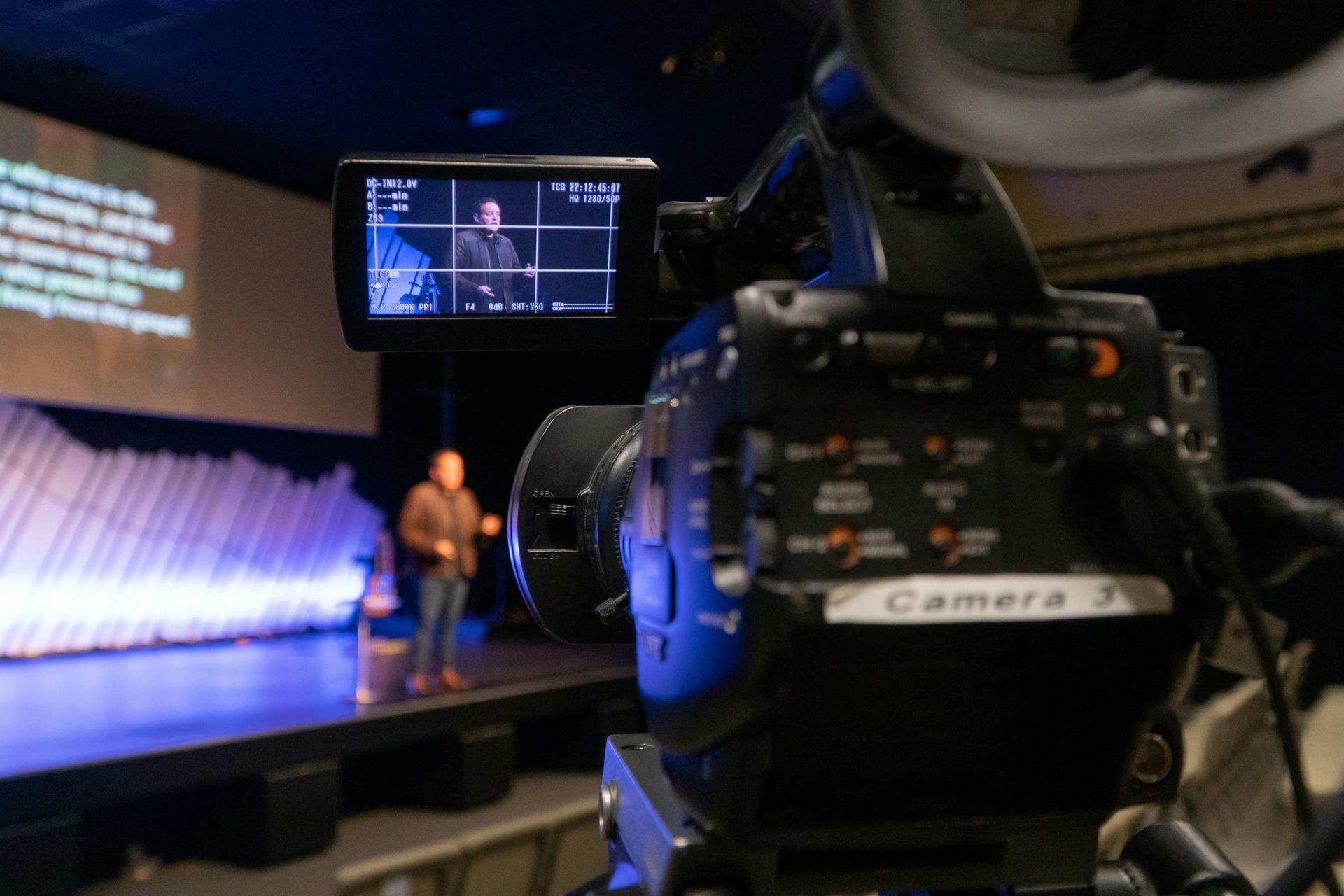
7. Event Highlight Videos
Corporate events often require significant time and budget investment. Whether it’s a national conference or a local workshop, the impact shouldn't end when the attendees go home.
An event highlight video helps businesses extend the value of that event long after it has finished.
These videos can capture:
- Key presentations
- Networking moments
- Audience reactions
- Speaker highlights
- Venue atmosphere
- Brand visibility
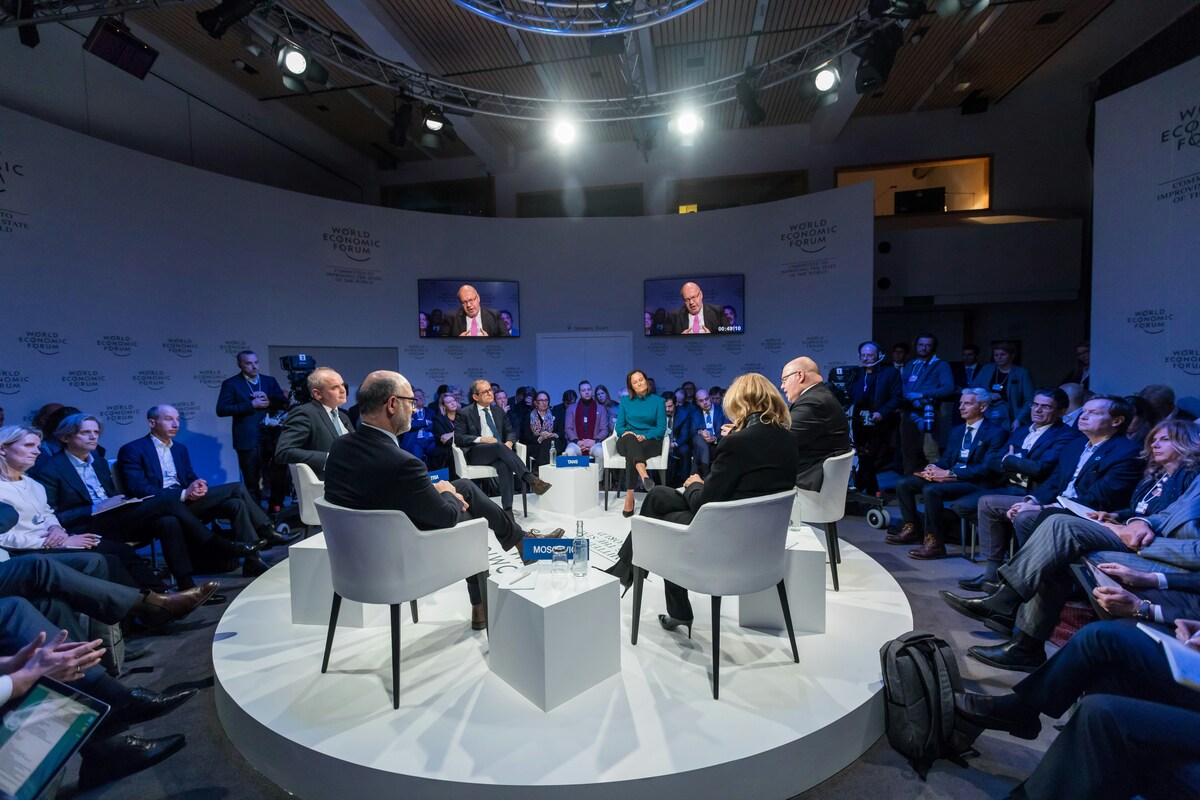
Event videos are commonly used for:
- Conferences
- Product launches
- Trade shows
- Networking events
- Company celebrations
- Industry exhibitions
A strong event video can support future marketing efforts, increase brand credibility, and improve attendance for future events.
The best event videos focus on energy, pacing, and storytelling rather than simply documenting what happened.
8. Educational and Thought Leadership Videos
Businesses that consistently educate their audience often position themselves as industry authorities. By providing value for free, you become the first person a prospect calls when they are ready to buy.
Educational videos focus on helping viewers understand a topic rather than directly selling a service.
This type of content can include:
- Industry insights
- Expert interviews
- How-to videos
- Market trends
- Common mistakes
- Best practice advice
Thought leadership content works particularly well in B2B industries where trust and expertise strongly influence purchasing decisions.
For example, a financial services company could create videos explaining:
- Tax changes
- Investment trends
- Financial planning strategies
Meanwhile, a recruitment company might create content about:
- Hiring trends
- Interview preparation
- Retention strategies
Educational videos are valuable because they continue attracting traffic and engagement over time. Unlike a news post, a "How-To" video remains relevant for years (Evergreen content).
Businesses that publish consistent educational content often strengthen both SEO performance and brand authority.

9. Case Study Videos
Case study videos combine storytelling with proof.
Unlike short testimonials, case studies usually explore a project or client success story in more depth.
A typical case study video might cover:
- The client’s original challenge
- The strategy used
- The implementation process
- The results achieved
- Measurable outcomes
This format works especially well for businesses offering higher-value or more complex services.
Potential clients often want reassurance that a company can deliver results before committing to a larger investment.
Case study videos help demonstrate:
- Experience
- Problem-solving ability
- Industry expertise
- Process transparency
- Proven outcomes
These videos are highly effective during the consideration stage of the buying journey. This is when the prospect is comparing you against two other competitors.
Sales teams can also use case study videos during proposals, pitches, and client meetings.
10. FAQ Videos
Many businesses repeatedly answer the same questions from potential customers.
FAQ videos provide a simple way to address those questions while improving customer understanding.
These videos can reduce confusion, shorten sales cycles, and improve customer confidence. If a customer has a question about "Implementation Time," and they find a video answering it in 20 seconds, they are much more likely to continue their journey with you.
FAQ videos commonly cover:
- Pricing questions
- Service processes
- Timelines
- Common misconceptions
- Product features
- Project expectations
Short FAQ videos are particularly effective on:
- Service pages
- Landing pages
- Social media
- Email campaigns
- Sales follow-up sequences
They can also improve website engagement by helping users find answers quickly.
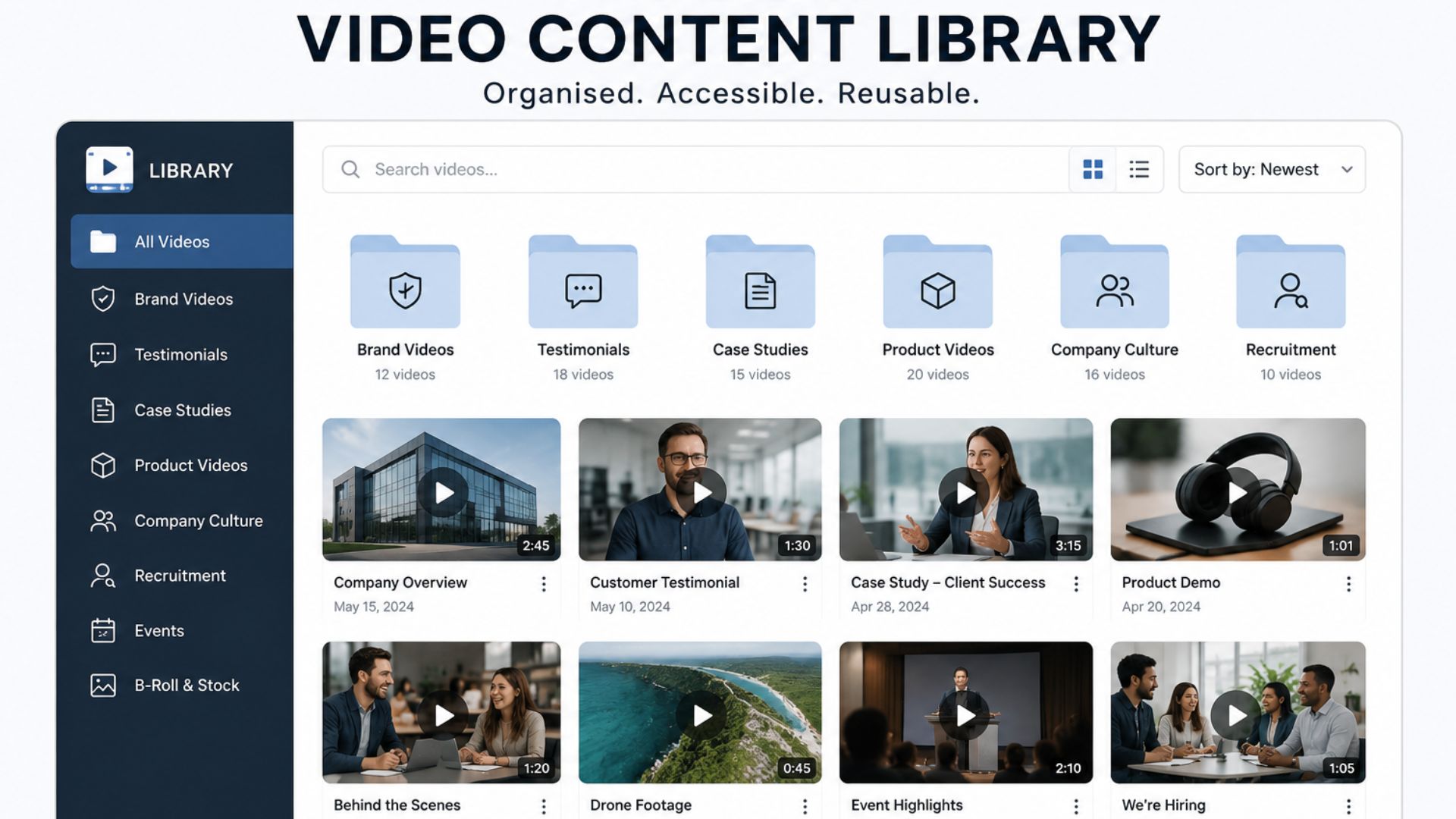
Businesses that create FAQ video libraries often reduce repetitive sales conversations while improving the overall customer experience. It empowers the customer to self-educate at their own pace.
What Makes Corporate Videos Actually Perform Well?
Having the right idea is important, but execution matters just as much.
Many corporate videos fail because they focus entirely on visuals while ignoring strategy, messaging, or audience intent.
The most effective corporate videos usually share several qualities.
Clear Business Goals
Before production starts, businesses should understand exactly what the video is supposed to achieve.
For example:
- Is the goal to generate leads?
- Improve recruitment?
- Increase website conversions?
- Support sales presentations?
- Build trust?
A video without a clear objective often struggles to deliver measurable results.
Strong Messaging
Professional visuals alone are not enough. You need a script or a narrative structure that guides the viewer through a logical sequence. The message needs to be clear, relevant, and easy to understand. Avoid "corporate speak" and jargon that might alienate your audience. Businesses should avoid overly generic language and focus instead on:
- Real problems
- Specific outcomes
- Customer benefits
- Practical value
Audience Understanding
Corporate videos perform best when they are built around a specific audience.
A recruitment video aimed at graduates will look very different from a case study video targeting senior decision-makers.
Understanding the audience influences:
- Tone
- Messaging
- Video length
- Platform choice
- Visual style
Professional Production Quality
While content authenticity matters, poor production quality can still damage credibility.
Businesses do not necessarily need huge budgets, but they should prioritise:
- Clear audio
- Good lighting
- Professional editing
- Stable footage
- Consistent branding
A polished production creates a stronger first impression and increases viewer trust.
How Businesses Can Get More Value From One Video Shoot
One of the most effective ways to maximise return on investment is to repurpose content.
Instead of producing a single video asset, businesses can create multiple pieces of content from one production day.
For example, a single corporate video shoot could generate:
- A main brand video
- Social media clips
- Short-form vertical edits
- Testimonial snippets
- Website banners
- Recruitment content
- LinkedIn posts
- Behind-the-scenes footage
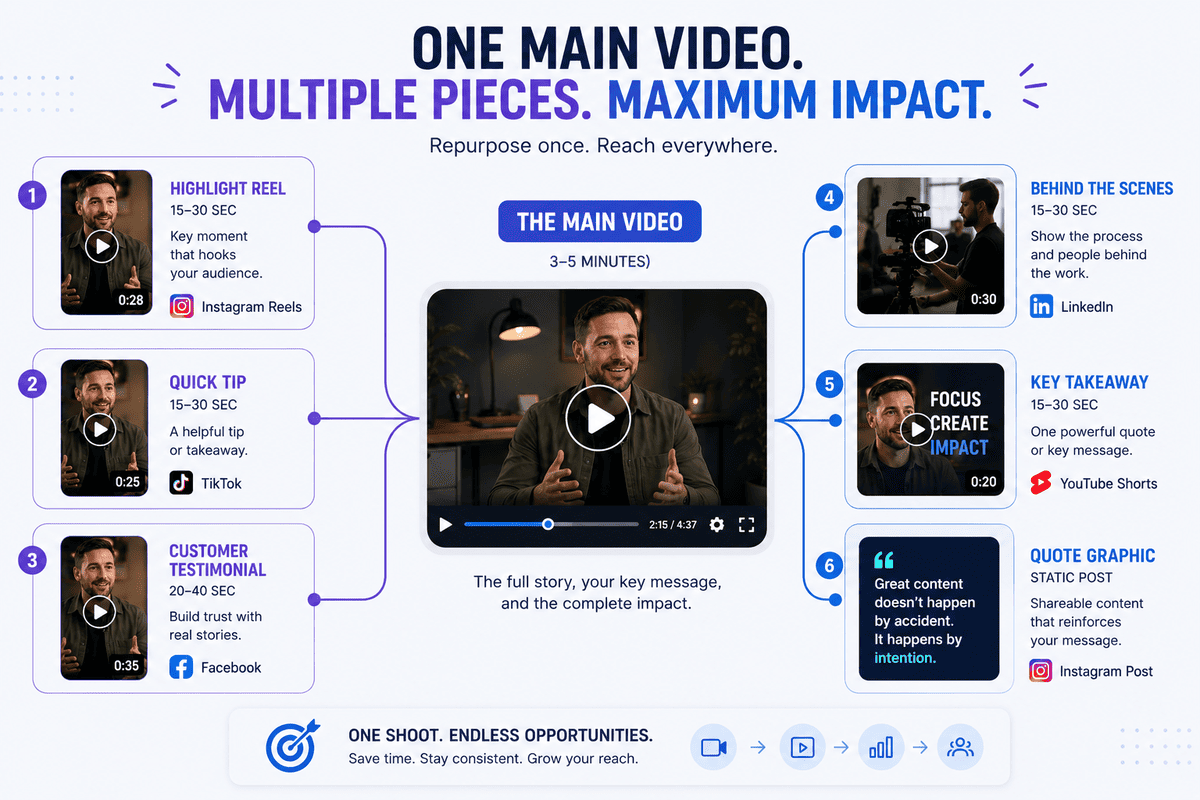
This approach helps businesses maintain a consistent content pipeline while reducing production costs over time.
It also allows marketing teams to test different formats and platforms using the same core material. You might find that the "Behind the Scenes" clip performs better on Instagram, while the "Case Study" thrives on LinkedIn.
Choosing the Right Corporate Video for Your Business
Not every business needs the same type of video. A law firm has very different needs than a coffee roastery.
The best approach depends on your goals, audience, industry, and stage of growth.
For example:
- A startup may benefit from an explainer video
- A growing company may prioritise recruitment content
- An established brand may focus on thought leadership
- A service business may benefit most from testimonials and case studies
The most important thing is choosing video content with a clear commercial purpose. Do not make a video just because your competitor did. Make a video because it solves a specific problem in your business.
Businesses that approach video strategically usually see stronger long-term value than those creating content purely for visibility. When video is integrated into your sales and marketing funnel, it becomes a powerful engine for growth, trust, and long-term brand equity.

Final Thoughts
The best corporate videos are not just visually impressive — they are built with a clear business goal in mind. Whether you want to generate leads, improve recruitment, build trust, or strengthen your brand presence, the right video strategy can create long-term value for your business.
If you’re planning your next video project, explore our video production services, get an instant estimate using our instant price calculator, or get in touch for a no-obligation conversation.
Frequently Asked Questions
What type of corporate video works best for businesses?
The best type of corporate video depends on your business goals. Testimonial and case study videos are highly effective for building trust and generating leads, while explainer videos work well for simplifying products or services.
Are corporate videos worth it for small businesses?
Yes. Corporate videos can help small businesses appear more credible, improve customer trust, and increase engagement across websites, social media, and sales campaigns. Even a single well-produced video can continue generating value long-term.
How long should a corporate video be?
Most corporate videos perform best when they are short, focused, and easy to follow. Brand and promotional videos are often between 60–120 seconds, while educational or case study videos may be slightly longer depending on the topic.
Similar blogs:





























![How to Write a Promo Video Script (Free Template Included) [2026 Guide]](https://cdn.prod.website-files.com/6226fcc37e2eb518b6e69a7f/69c3804c0b9ea78696bd89e0_covertab11.jpeg)





.jpg)
%20(1)%20(1).jpg)
.jpg)






We'd love to hear from you! Reach out to us today for a chat about our services, pricing, or just to say hello!


