
In today’s oversaturated inboxes, getting your email noticed — let alone opened — is no easy feat. In this article, we’ll explore the power of video in email campaigns, how to embed video content the right way, best practices to maximise performance, and how to track your results. Whether you’re a startup, marketer, or creative agency, using video in your emails can be a game-changer for audience retention and conversions.
What Is a Video Content Library?
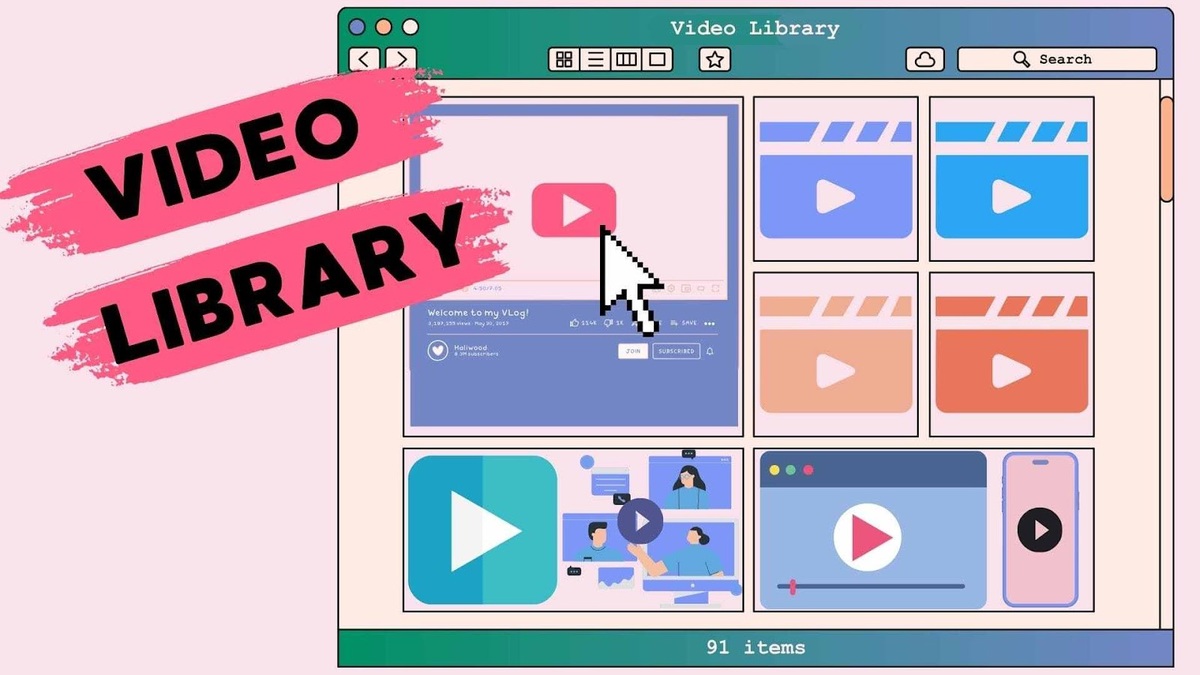
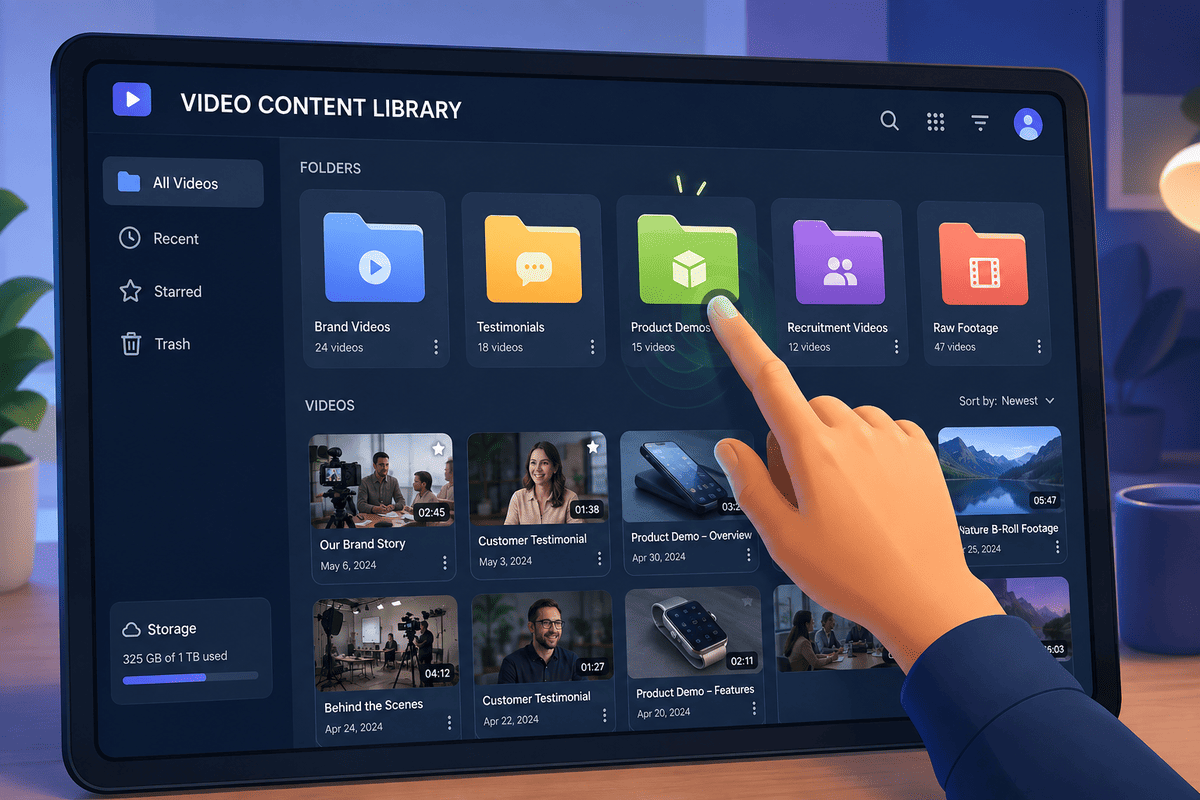
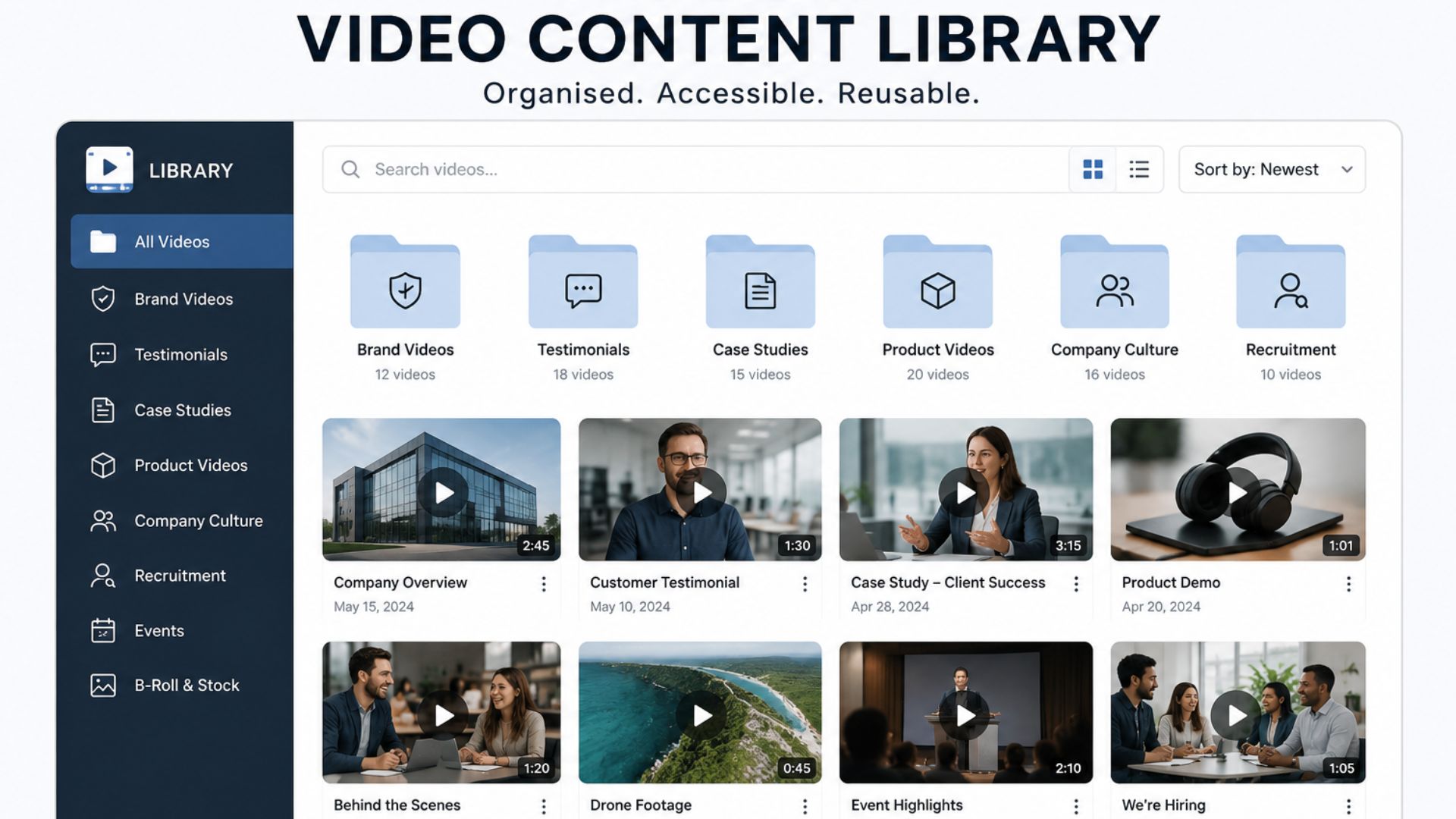
A video content library is a central collection of your business's video assets, organised so they can be easily accessed, reused, and updated whenever they're needed.
Rather than storing videos across multiple hard drives, email threads, or cloud folders with inconsistent naming, a well-managed library keeps everything in one structured location.
A video content library might include:
- Brand videos
- Customer testimonials
- Case studies
- Product demonstrations
- Company culture videos
- Recruitment content
- Event footage
- Behind-the-scenes clips
- Drone footage
- B-roll
- Graphics and animations
- Raw footage for future edits
Instead of thinking of these as individual projects, think of them as long-term business assets that can continue delivering value long after filming has finished.
Why Every Business Needs a Video Content Library
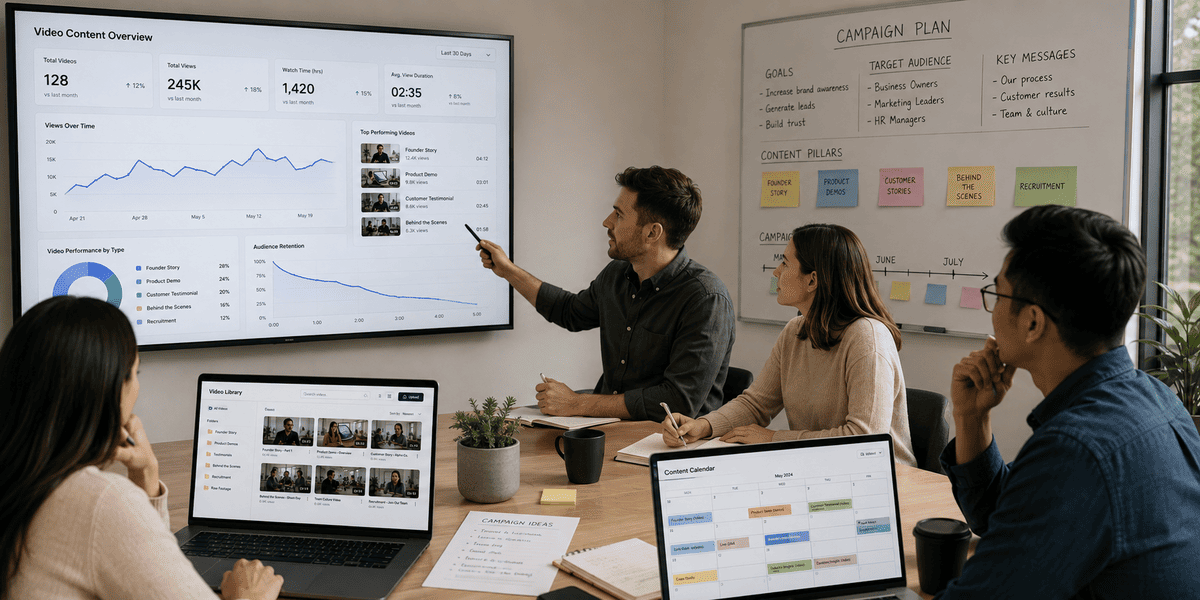
Many businesses invest in professional video production for a specific campaign, event, or product launch. Once that campaign ends, the footage is often archived and rarely used again.
This approach misses one of video's greatest strengths—its ability to support multiple business objectives over time.
A well-organised video content library allows your business to:
- Produce new content more quickly
- Reduce future production costs
- Maintain consistent branding
- Respond faster to marketing opportunities
- Support different departments with ready-to-use content
- Extend the value of every filming day
When your videos are easy to find and ready to use, they become an ongoing resource rather than a one-off investment.
How a Video Content Library Supports Every Stage of the Customer Journey
A well-built video content library doesn't just make life easier for your marketing team—it helps guide potential customers from their first interaction with your business through to becoming loyal clients.
At the awareness stage, educational videos, brand stories, and industry insights help introduce your business and build credibility. As prospects move into the consideration stage, customer testimonials, case studies, and product demonstrations answer questions and provide reassurance. Finally, decision-stage content such as company overview videos, frequently asked questions, and personalised sales videos can help remove uncertainty and encourage enquiries.
By building a library that supports every stage of the buyer's journey, you're creating resources that continue to generate value across multiple customer touchpoints rather than relying on individual campaign videos.
Think Beyond Individual Campaigns

One of the biggest mindset shifts businesses can make is to stop viewing video as something created for a single campaign.
Instead, every filming day should be seen as an opportunity to capture a wide range of content that can be reused in different ways over time.
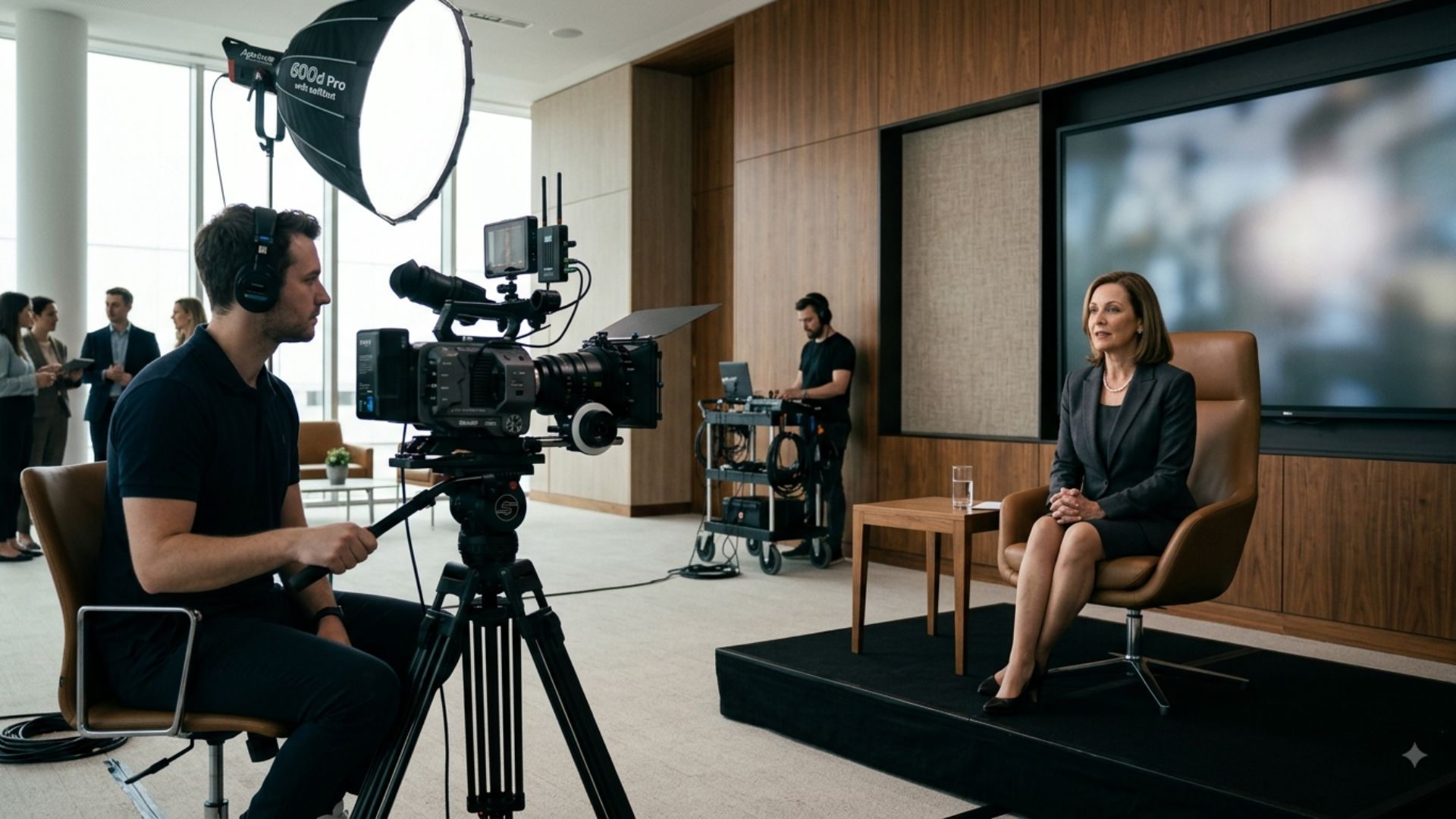
For example, filming a customer success story could also provide:
- Short clips for LinkedIn
- Website testimonials
- Behind-the-scenes footage
- Team photography
- Quotes for social media
- Sales presentation content
- Recruitment material
Planning for multiple outcomes from the outset dramatically increases the return on your investment.
Create Assets, Not Just Videos
One finished video is valuable, but the individual pieces that make up that video can often be just as useful. Interviews, B-roll, product demonstrations, and behind-the-scenes footage can all be repurposed into fresh content for different platforms and audiences.
By thinking in terms of reusable assets rather than finished projects, your business can create a steady stream of content without needing to organise a new production every time a marketing opportunity arises.
What Should Your Video Content Library Include?
Every business will have different priorities, but a strong video content library usually contains a mix of evergreen content and campaign-specific assets.
1. Brand Story Videos
Introduce your business, explain your values, and share what makes your organisation different.
Unlike promotional campaigns, a strong brand story can remain relevant for several years with only minor updates.
2. Customer Testimonials
Customer stories provide social proof and can support your website, proposals, presentations, email campaigns, and social media.
Whenever possible, capture additional interview footage that can be reused in future edits.
3. Product or Service Explainers
Explainer videos help answer common customer questions and reduce the need for repetitive sales conversations.
If your services change regularly, structure these videos so individual sections can be updated without reshooting the entire production.
4. Company Culture and Recruitment Videos
Recruitment content has become increasingly valuable as businesses compete for skilled talent.
Capturing authentic workplace footage during other productions allows you to build a library of employer branding assets without organising separate filming days.
5. Evergreen B-Roll
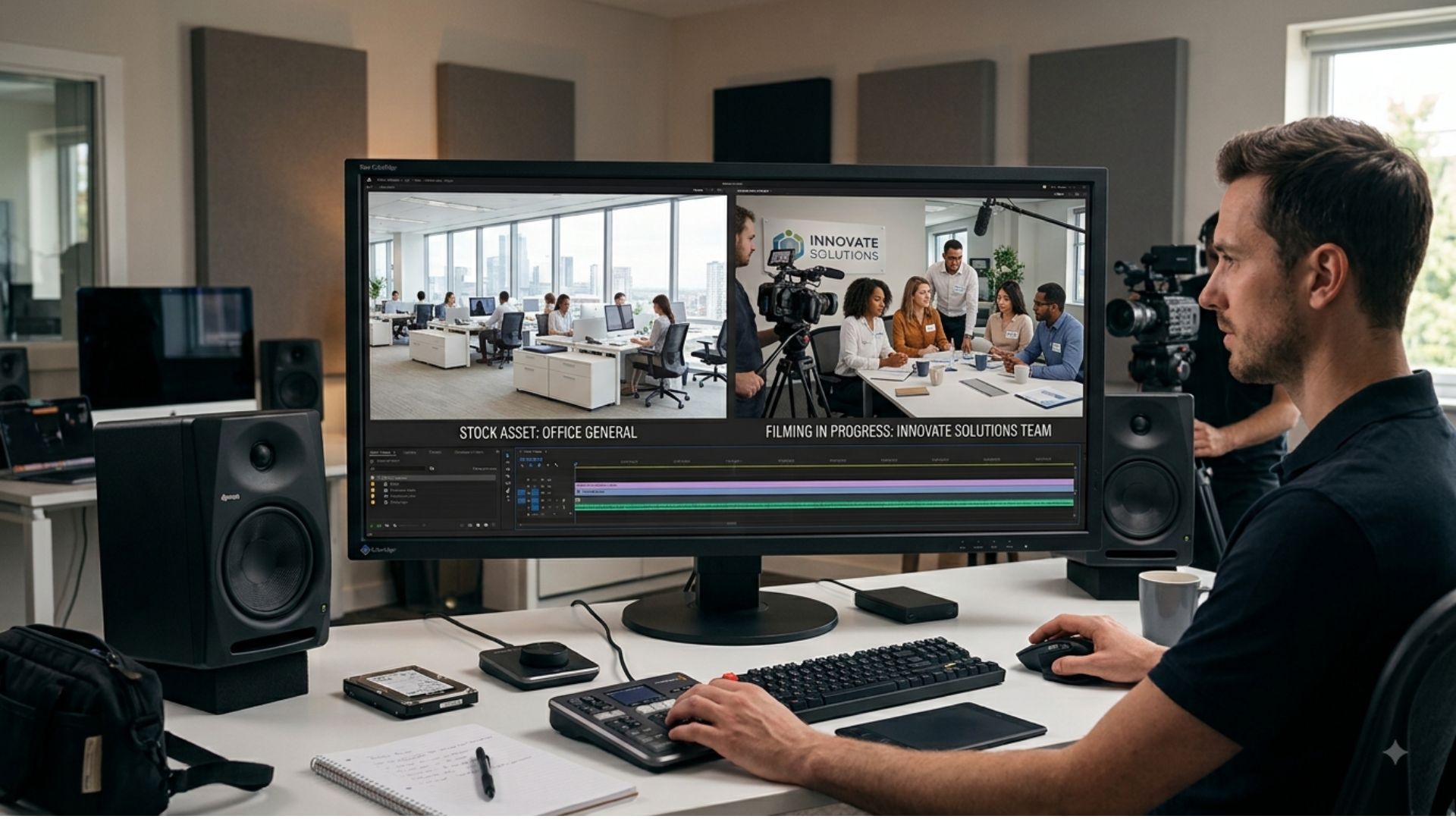
B-roll is often overlooked but can become one of the most valuable parts of your library.
Capture footage of:
- Employees collaborating
- Meetings
- Office environments
- Manufacturing processes
- Products
- Customer interactions
- Exterior building shots
- Drone footage
- Team events
These clips can support countless future projects.
Capture More Than You Think You'll Need
One of the most common regrets businesses have after a filming day is wishing they had captured more supporting footage. While interviews and key scenes are usually planned in advance, it's often the additional moments—team interactions, product close-ups, workplace activity, or informal conversations—that become the most useful assets later.
Whenever possible, allow extra time to capture a wide variety of B-roll from different angles and locations. Even if you don't use every clip immediately, having a larger library of supporting footage gives editors greater creative flexibility and reduces the need for additional filming when new opportunities arise.
Organise Your Library So People Actually Use It

A library only creates value if people can easily find what they need.
Instead of saving files with names like:
Final_Edit_V2_NEW_Final.mp4
Create a logical structure.
For example:
By content type
- Testimonials
- Brand videos
- Products
- Recruitment
- Events
By year
- 2025
- 2026
- 2027
By department
- Marketing
- Sales
- HR
- Customer Success
Consistent naming conventions make searching much faster and reduce duplicated work.
Add Useful Metadata
A well-organised library should include more than file names.
Record information such as:
- Date filmed
- People featured
- Location
- Services shown
- Keywords
- Usage rights
- Editing notes
This makes it much easier to locate specific footage months or even years later.
Think About Future Content While You're Filming
One of the easiest ways to build a valuable video content library is to plan beyond the immediate project.
Before filming begins, ask questions such as:
- What footage might we need next year?
- Could this interview support future campaigns?
- Are there additional angles we should capture?
- Can this footage be reused for recruitment?
- Would extra B-roll help future edits?
Planning ahead often adds only a small amount of filming time but can save significant time and budget on future projects.
Across the Irish businesses we've worked with, we've found that the organisations getting the greatest long-term value from video are those that plan beyond a single campaign. Rather than producing content for one immediate objective, they capture a broader range of interviews, B-roll, and supporting footage that can be repurposed across marketing, sales, recruitment, and internal communications long after the original project has been completed.
Repurpose One Filming Day into Months of Content
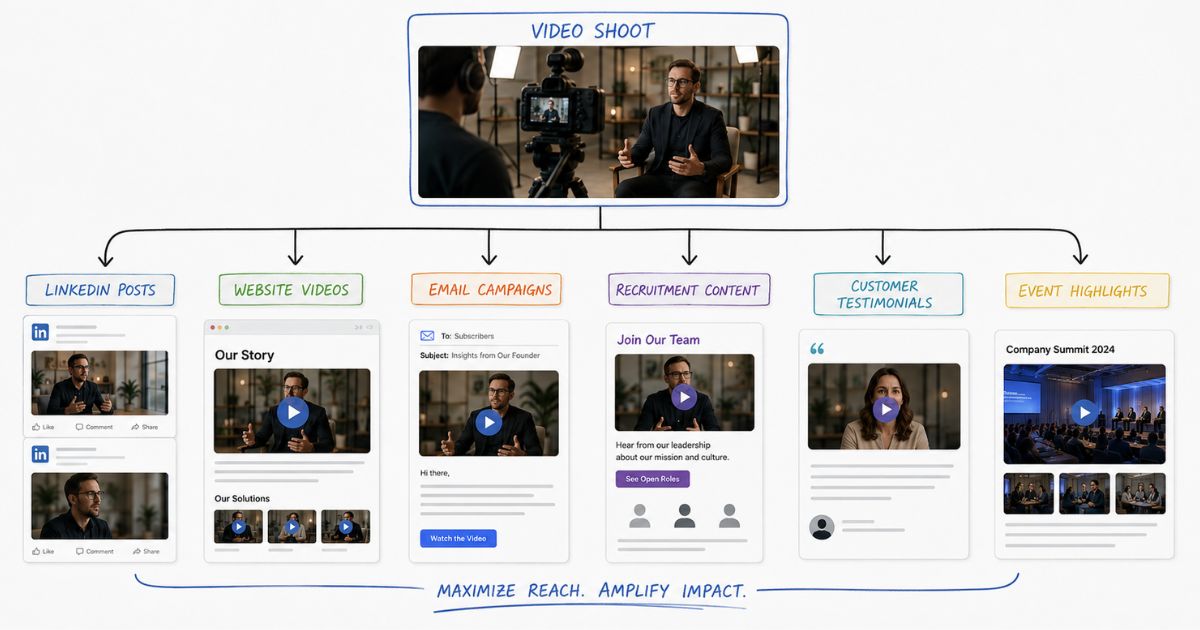
One of the biggest advantages of building a video content library is that a single production day can provide far more than one finished video. With the right planning, the footage you capture can be repurposed into a wide range of content that supports different platforms, audiences, and business goals.
For example, one filming day could produce:
- A full-length brand or corporate video
- Short social media clips
- Customer testimonials
- Behind-the-scenes content
- Recruitment videos
- Website banner videos
- LinkedIn thought leadership posts
- Sales presentation content
- Email marketing videos
- Event highlights
Planning these deliverables before filming helps ensure you capture all the footage needed, making each production significantly more cost-effective.
Plan for Flexibility
Marketing priorities can change quickly. A product launch may become a recruitment campaign, or a customer success story might later support a sales presentation.
By capturing a variety of interviews, B-roll, and supporting footage during each production, you'll have greater flexibility to adapt your content without organising another filming day.
A flexible library allows your business to respond to new opportunities faster while maintaining consistent quality across every piece of content.
Keep Your Library Relevant
A strong video content library isn't something you build once and forget. As your business grows, your videos should continue to reflect your current services, branding, and objectives.
Scheduling a regular review—perhaps once or twice a year—helps ensure your library remains accurate and useful.
During each review, ask questions such as:
- Is this information still accurate?
- Does the branding reflect our business today?
- Are these videos still supporting our marketing goals?
- Can any footage be repurposed into new content?
- Should any videos be archived or replaced?
Small updates made regularly are often far more effective than waiting until your entire library feels outdated.
Create a Simple Review Process
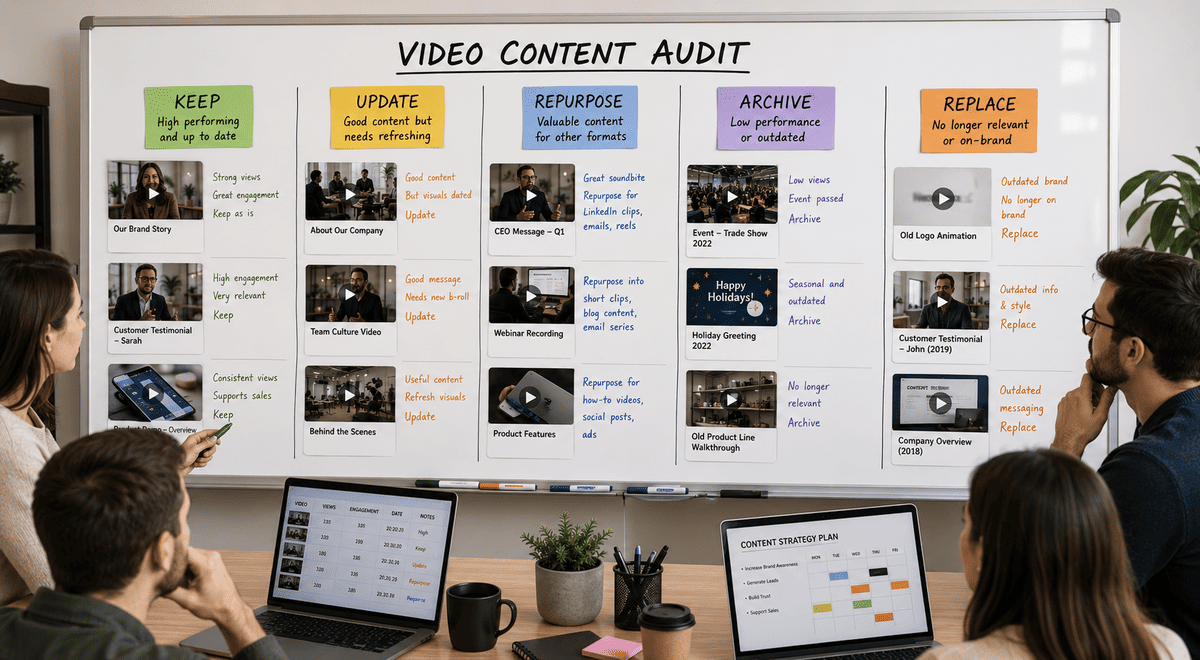
Managing a growing library becomes much easier when everyone follows the same process.
For each video, decide whether it should be:
Keep – Still accurate, relevant, and performing well.
Update – Worth keeping but needs refreshed branding, captions, messaging, or a new call to action.
Repurpose – Contains valuable footage that can be edited into new content for different platforms or audiences.
Archive – No longer needed regularly but worth keeping for historical or internal reference.
Replace – Outdated, inaccurate, or no longer aligned with your business and marketing goals.
Having clear categories helps your team prioritise future work and ensures valuable content isn't overlooked.
Make Your Library Accessible Across the Business
A video content library becomes even more valuable when it can be used by multiple departments, not just marketing.
For example:
- Sales teams can use customer testimonials and case studies during presentations.
- HR teams can access recruitment and company culture videos when hiring.
- Customer service teams can share explainer videos to answer common questions.
- Leadership teams can use brand and company overview videos in presentations, events, or stakeholder communications.
When everyone knows where to find approved video assets, your business can communicate more consistently and reduce the need to recreate content.
Encourage Teams to Reuse Existing Content First
Before commissioning a new video, encourage your teams to check the existing library to see whether suitable footage already exists. Many businesses unknowingly duplicate work simply because people aren't aware of the assets that are already available.
Creating a simple habit of reviewing the library first can save time, reduce production costs, and encourage greater consistency across your communications. It also helps maximise the return on every filming day by ensuring valuable footage is reused whenever appropriate.
Common Mistakes to Avoid
Even businesses with a large collection of videos don't always get the full value from them. Avoid these common mistakes when building and managing your video content library.
Treating Every Video as a Separate Project
Thinking only about the immediate campaign often leads to missed opportunities. Instead, consider how today's footage could support future marketing, recruitment, sales, or internal communications.
Poor File Organisation
If your team struggles to find the right footage, they're less likely to use it.
Clear folder structures, consistent file names, and searchable metadata make your library far more useful.
Forgetting About Raw Footage
Raw footage often contains valuable interviews, B-roll, and alternative takes that can be reused for future campaigns.
Deleting or misplacing these files could limit your ability to create new content without organising another shoot.
Not Reviewing Content Regularly
Businesses evolve, and your video library should evolve with them.
Regular reviews help ensure your content stays accurate, relevant, and aligned with your marketing strategy.
Focusing Only on Marketing
Video can support almost every area of your business.
Thinking beyond marketing allows you to maximise the value of every production and create content that benefits multiple teams.
Why a Video Content Library Is a Long-Term Investment
The real value of a video content library isn't measured by how many videos you have—it's measured by how often those videos continue to support your business.
When your content is organised, easy to access, and planned with long-term use in mind, every production becomes more valuable. Instead of constantly starting from scratch, your team can build on existing assets, respond more quickly to new opportunities, and create a more consistent experience for customers across every touchpoint.
Turning Insights into Action
If your business already has a collection of videos, now is the perfect time to think beyond individual campaigns and start building a structured library that supports your long-term goals. With the right organisation and planning, your existing content can become a resource that saves time, reduces future production costs, and helps your team create consistent, high-quality communications for years to come.
Conclusion
A well-organised video content library does more than store files—it helps your business get lasting value from every video you produce. By planning for reuse, keeping your content organised, and reviewing it regularly, you can create a library that supports your marketing, sales, recruitment, and wider business goals for years to come.
If you're looking to build a video content library that works harder for your business, the team at Mango Media can help. Explore our video production services, use our instant price calculator for a quick estimate, or get in touch for a free consultation.
Frequently Asked Questions
What is a video content library?
A video content library is a central collection of organised business videos and footage that can be easily accessed, managed, updated, and reused across marketing, sales, recruitment, and other business activities.
How do you organise a business video content library?
The best approach is to organise videos by content type, department, campaign, or year while using consistent file names and metadata such as filming dates, keywords, locations, and featured people. This makes it much easier to find and reuse content in the future.
Why is a video content library important for businesses?
A video content library helps businesses maximise the value of every production by making it easier to repurpose footage, maintain consistent branding, reduce future production costs, and respond more quickly to new marketing opportunities.
Similar blogs:






















![How to Write a Promo Video Script (Free Template Included) [2026 Guide]](https://cdn.prod.website-files.com/6226fcc37e2eb518b6e69a7f/69c3804c0b9ea78696bd89e0_covertab11.jpeg)


.jpg)
%20(1)%20(1).jpg)
.jpg)






We'd love to hear from you! Reach out to us today for a chat about our services, pricing, or just to say hello!


