
In today’s oversaturated inboxes, getting your email noticed — let alone opened — is no easy feat. In this article, we’ll explore the power of video in email campaigns, how to embed video content the right way, best practices to maximise performance, and how to track your results. Whether you’re a startup, marketer, or creative agency, using video in your emails can be a game-changer for audience retention and conversions.
Why Gen Z Matters to Businesses

Before discussing video production, it's worth understanding why Gen Z has become such an important audience.
Born roughly between the mid-1990s and early 2010s, Gen Z has grown up surrounded by smartphones, social media, streaming platforms, and instant access to information. Video isn't simply entertainment for them—it's their preferred way of learning, discovering brands, researching employers, and making purchasing decisions.
For businesses, Gen Z influences several important areas:
- Recruitment and employer branding
- Consumer purchasing decisions
- Brand reputation
- Social media engagement
- Long-term customer loyalty
Whether you're targeting future employees or future customers, your video content needs to meet the expectations of an audience that consumes digital media differently from previous generations.
Across the Irish businesses we've worked with, we've seen a clear shift in what clients want their corporate videos to achieve. Increasingly, the focus is moving away from simply presenting information and towards creating content that feels authentic, reflects company culture, and connects with audiences on a more personal level. These changing expectations are influencing everything from creative concepts to filming styles and distribution strategies.
The Biggest Shift: Authenticity Over Perfection
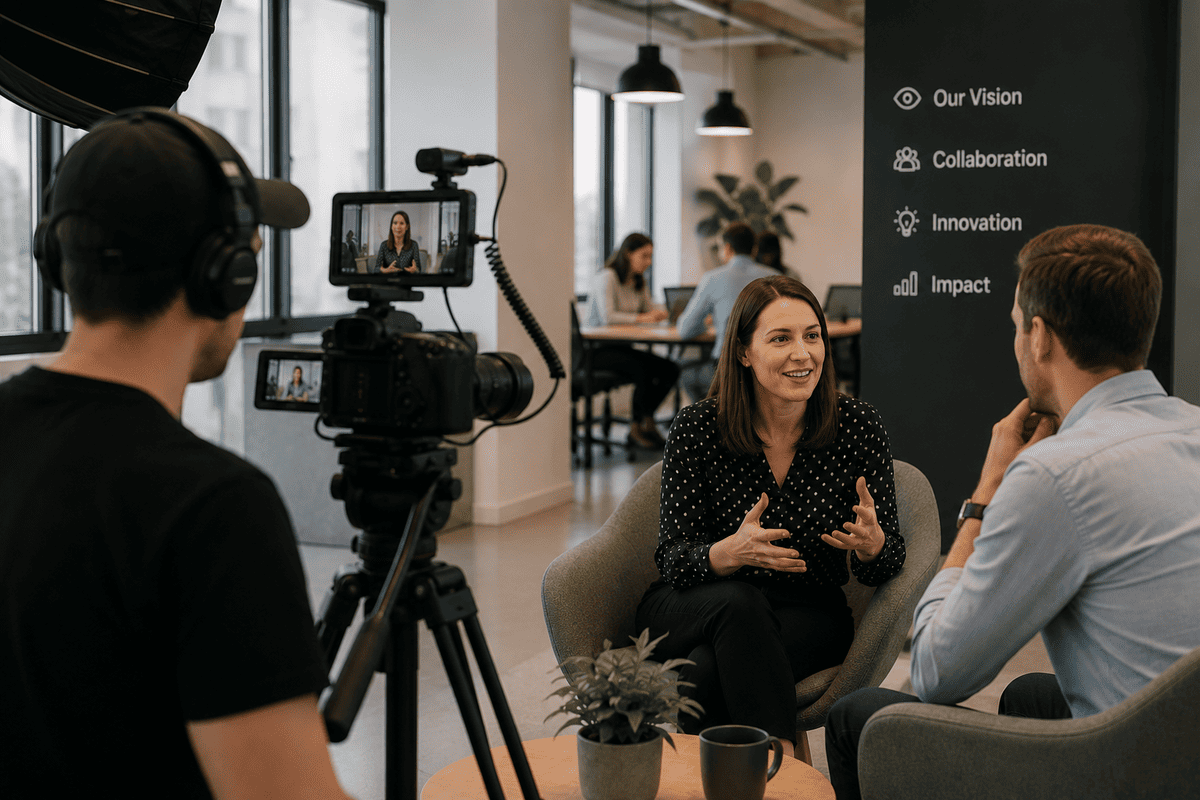
Perhaps the most significant change Gen Z has brought to corporate video production is the growing preference for authenticity.
For many years, corporate videos focused on creating a polished, highly controlled image. Every line was scripted, every shot carefully staged, and every employee appeared perfectly rehearsed.
Today's audiences often see through that approach.
Gen Z generally prefers businesses that communicate honestly and naturally. They appreciate companies that are willing to show the people behind the brand rather than presenting a flawless corporate image.
This doesn't mean videos should look amateur.
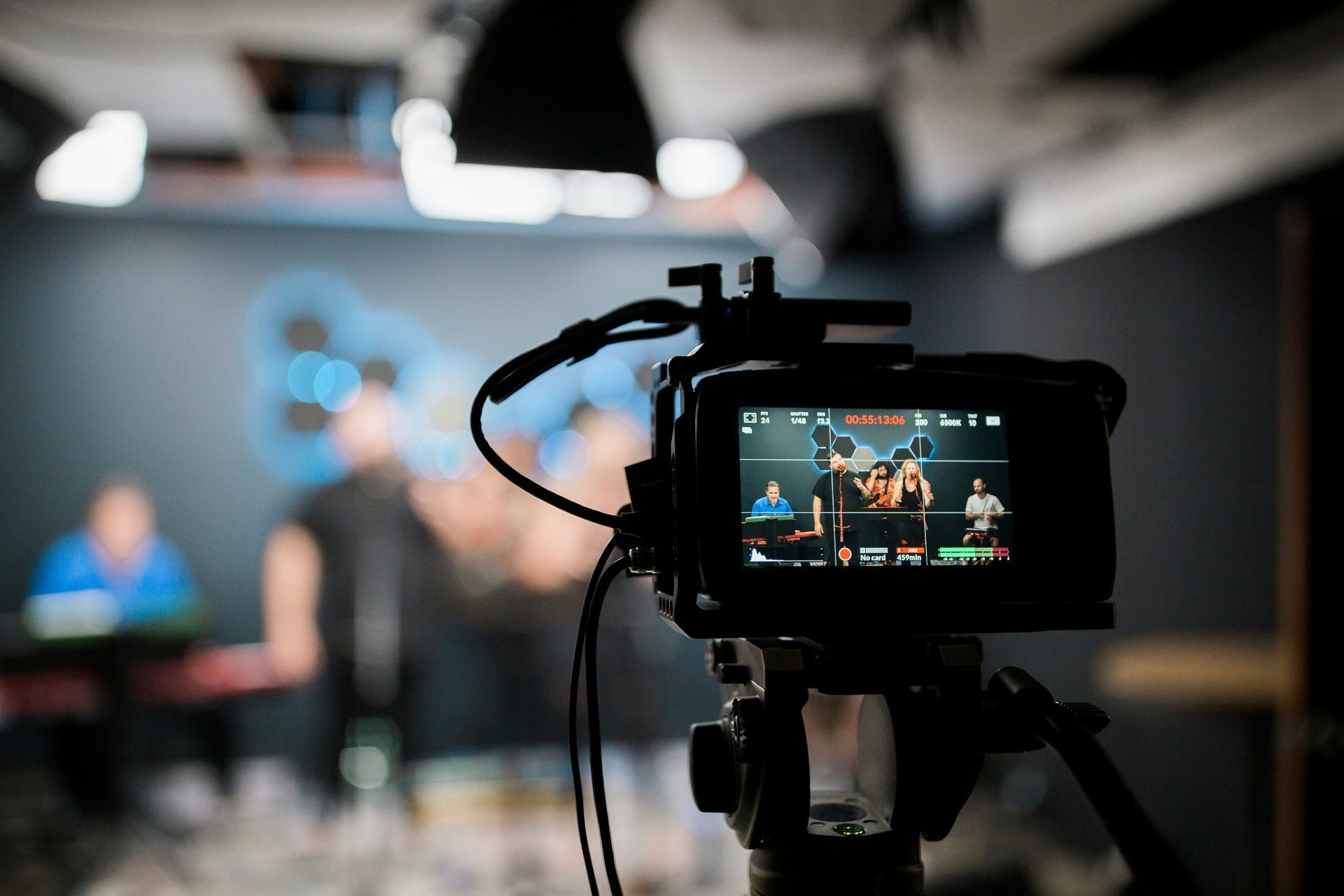
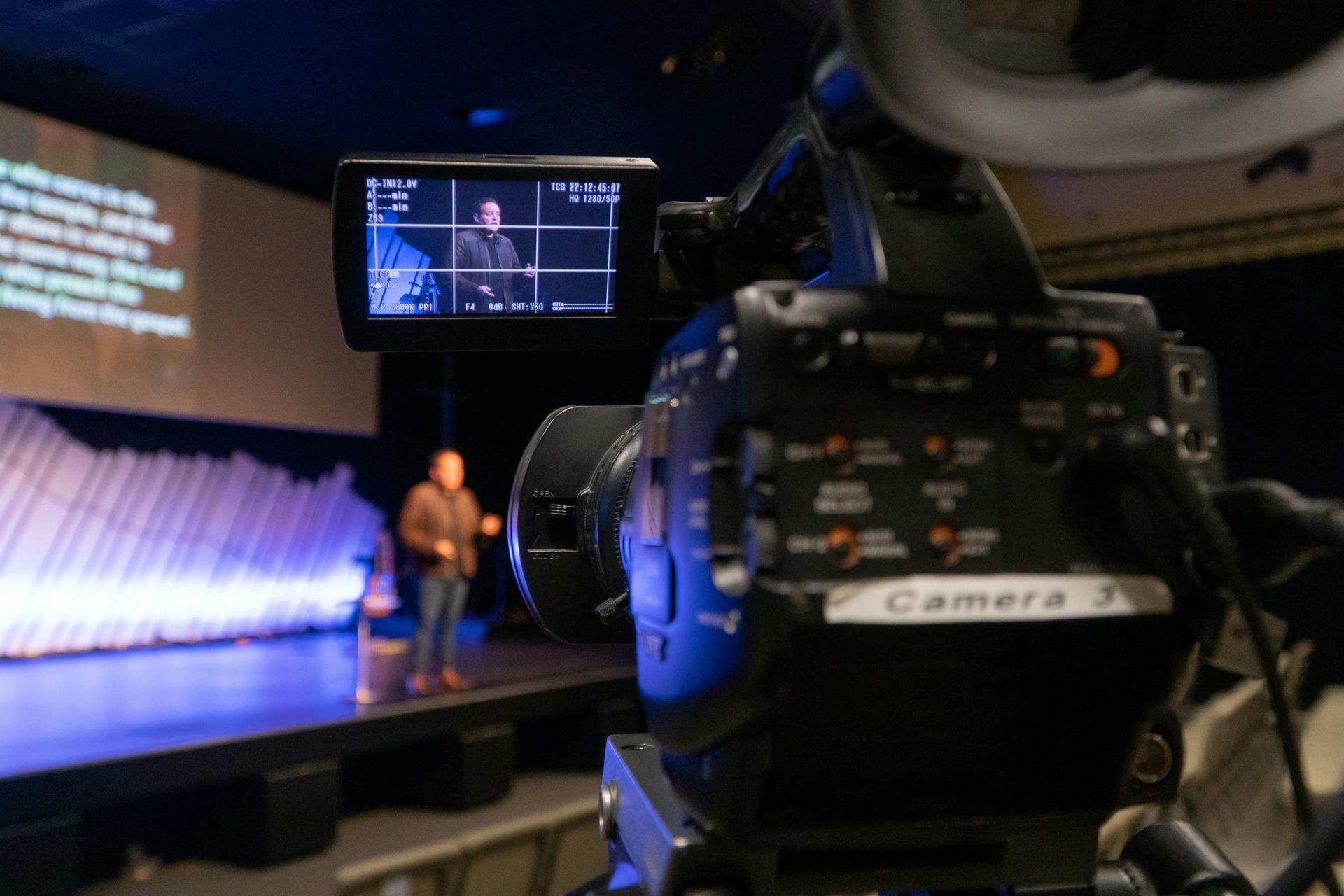
Professional production still plays a crucial role in ensuring clear audio, strong visuals, effective editing, and engaging storytelling. The difference lies in the style of production rather than the quality.
Modern corporate videos often feel more conversational because they feature:
- Real employees instead of actors
- Genuine customer stories
- Natural conversations
- Authentic workplace interactions
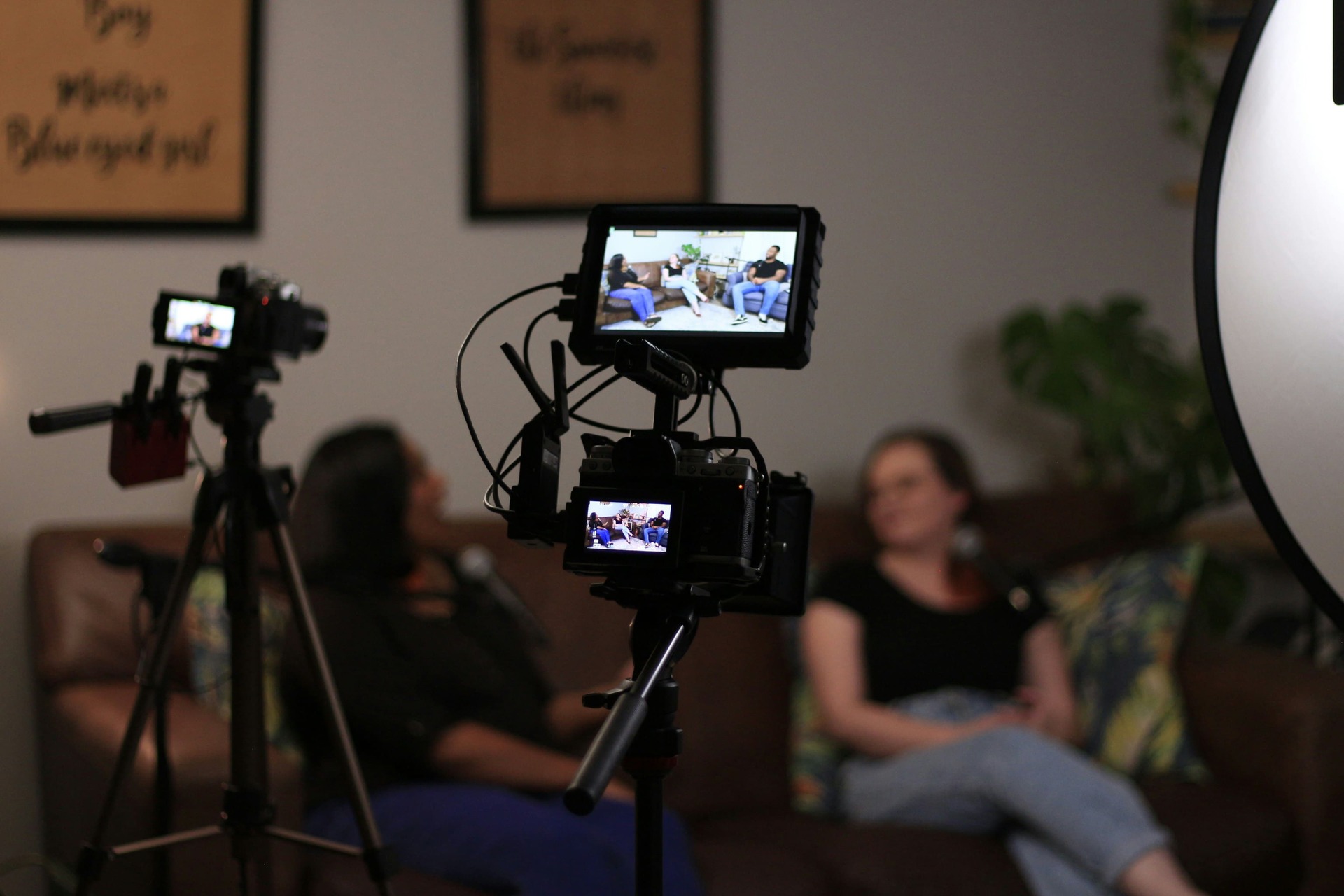
- Behind-the-scenes footage
- Less scripted interviews
The goal isn't perfection—it's credibility.
Businesses Need to Feel More Human
Many successful brands are shifting away from "corporate speak" and towards a more approachable tone.
Rather than saying:
"We leverage innovative solutions to maximise operational efficiencies."
They're more likely to say:
"We help businesses solve everyday challenges."
The same principle applies to video production.
People connect with people, not logos.
Showing employees collaborating, solving problems, celebrating achievements, or simply interacting naturally helps audiences build trust much faster than highly scripted promotional videos.
Shorter Videos Are Becoming More Effective
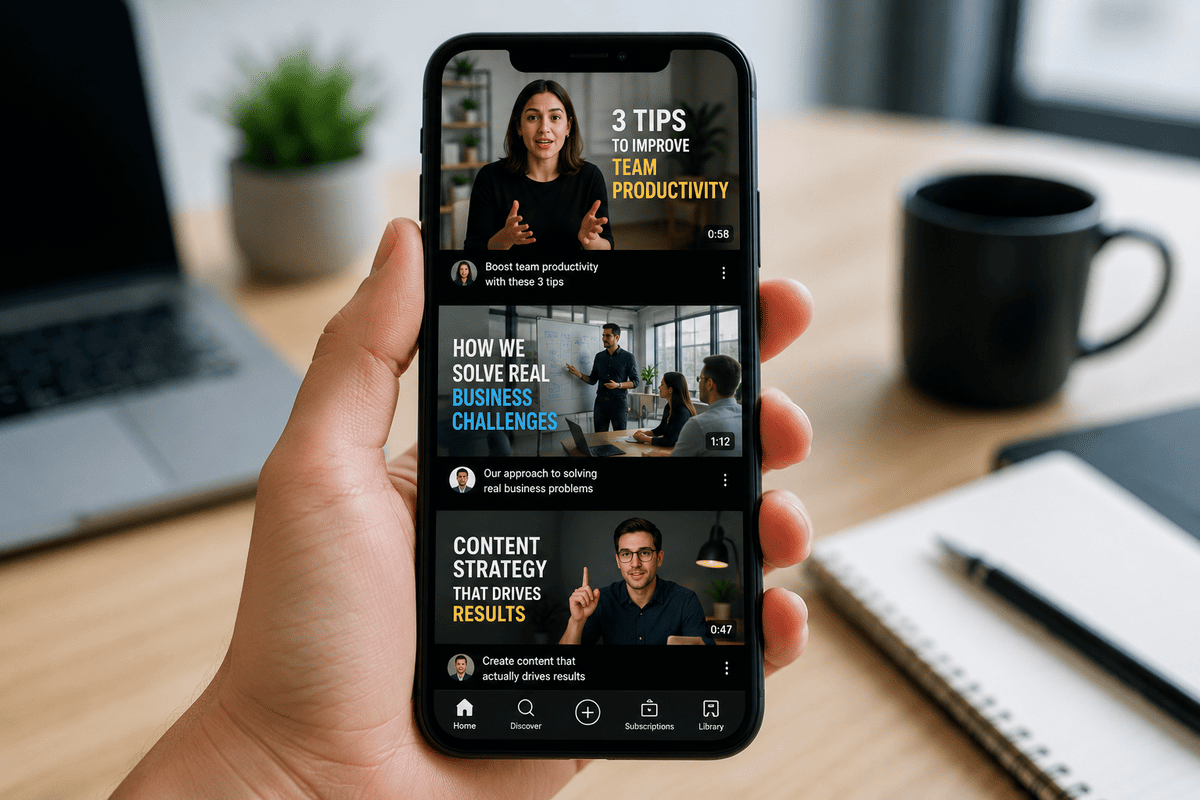
Attention spans haven't necessarily become shorter, but competition for attention has increased dramatically.
Every day, Gen Z scrolls through hundreds of videos across platforms like LinkedIn, Instagram, TikTok, YouTube, and Facebook.
Businesses now have only a few seconds to capture attention.
This has influenced corporate video production in several ways.
Instead of producing one long promotional film, companies increasingly create multiple shorter videos that each serve a specific purpose.
Examples include:
- 30-second recruitment videos
- Employee spotlight videos
- Customer testimonials
- Product demonstrations
- Event highlights
- Company culture clips
- Behind-the-scenes content
These shorter videos are easier to share across multiple platforms while giving audiences exactly the information they're looking for.
Long-form video still has its place, particularly for webinars, case studies, and detailed company stories, but it's now often supported by shorter edits for social media.
Vertical Video Is No Longer Optional
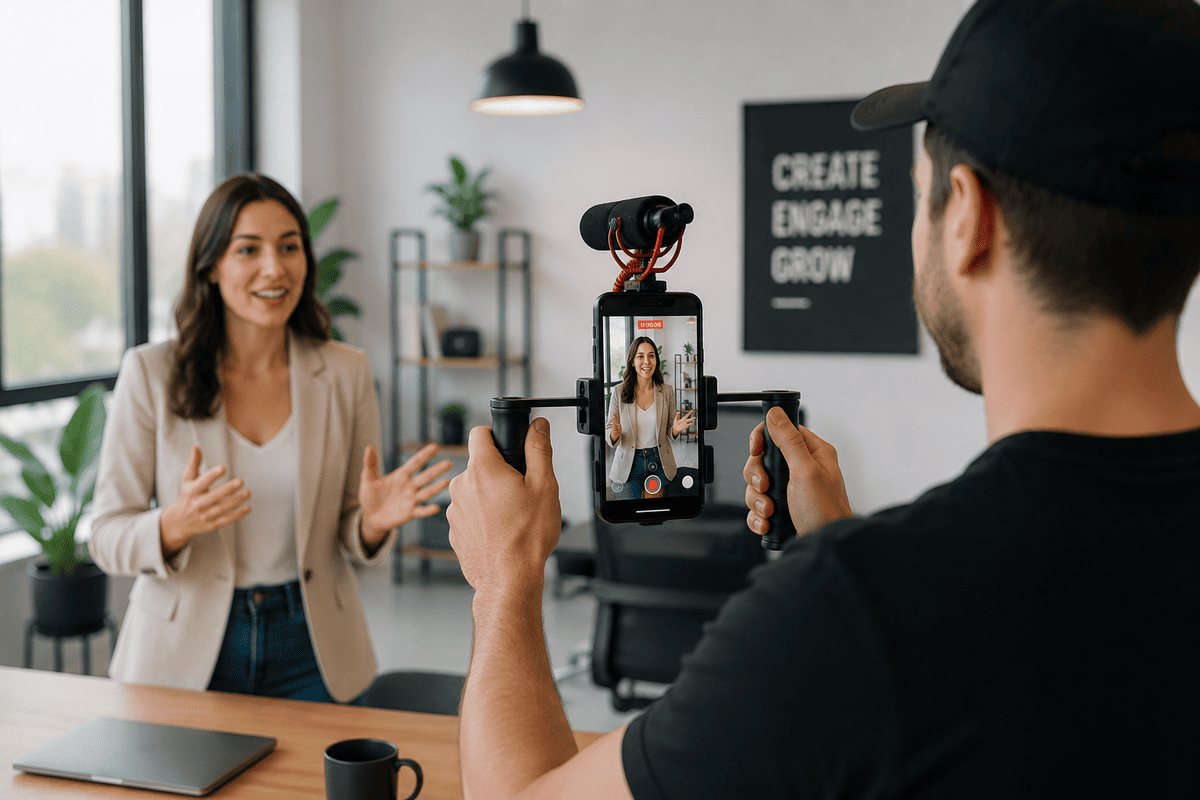
One of the clearest examples of Gen Z's influence is the rise of vertical video.
For years, landscape video was considered the standard for corporate content.
Today, many viewers consume content almost entirely on mobile devices.
That means businesses increasingly need videos designed specifically for vertical viewing.
Vertical videos perform particularly well on:
- Instagram Reels
- TikTok
- YouTube Shorts
- Facebook Reels
- LinkedIn's mobile feed
Rather than simply cropping a landscape video, successful businesses often plan their productions with multiple formats in mind from the beginning.
This allows one filming session to generate content suitable for websites, presentations, social media, recruitment campaigns, and digital advertising.
It's a more efficient approach that extends the value of every production.
Storytelling Is Replacing Traditional Promotion
One noticeable change in corporate video production is the move away from simply listing company achievements.
Instead of saying:
- We've been established for 20 years.
- We have 100 employees.
- We're industry leaders.
Businesses are increasingly telling stories that demonstrate these qualities rather than simply stating them.
For example, instead of explaining how supportive the workplace is, a recruitment video might follow a graduate during their first few months with the company.
Instead of listing customer satisfaction statistics, a business could share a real client's experience and the challenges they overcame together.
Stories create emotional connections.
They help audiences remember your message long after the video has finished.
This approach feels more engaging, particularly for younger viewers who are accustomed to content creators, documentaries, and social media storytelling.
Employees Have Become Brand Ambassadors

Another significant trend is the growing role employees play in corporate video production.
Rather than relying solely on executives or professional presenters, businesses are increasingly featuring team members from across the organisation.
This offers several advantages:
- Greater authenticity
- More diverse perspectives
- Stronger employer branding
- Increased employee engagement
- Higher audience trust
Potential recruits often trust current employees more than corporate messaging.
Seeing genuine conversations about workplace culture, career progression, collaboration, and day-to-day experiences provides valuable insight into what it's actually like to work for a company.
This approach is especially effective when videos avoid sounding overly rehearsed.
Simple interview prompts often produce more engaging content than memorised scripts.
Company Culture Has Become a Major Selling Point
Gen Z isn't only evaluating products or services.
They're also evaluating companies.
Whether someone is applying for a job, choosing a supplier, or considering a partnership, company culture has become an important factor in decision-making.
This has made culture-focused videos far more valuable than they were just a few years ago.
Businesses now regularly create videos showcasing:
- Workplace environments
- Team collaboration
- Learning opportunities
- Diversity and inclusion initiatives
- Community involvement
- Social events
- Employee wellbeing programmes
These videos help audiences understand the personality behind the brand.
Rather than simply telling people your company values collaboration or innovation, video allows you to demonstrate those values in action.
Quality Still Matters—Just in a Different Way
It's easy to assume that because Gen Z enjoys informal content, businesses no longer need professional video production.
The opposite is true.
Today's audiences still expect:
- Clear sound
- High-quality visuals
- Strong editing
- Good lighting
- Effective pacing
- Professional storytelling
The difference is that production should enhance authenticity rather than overshadow it.
A professionally produced video should feel natural, not manufactured.
The best corporate videos strike a balance between polished production values and genuine human moments.
User-Generated Style Content Is Influencing Brand Videos
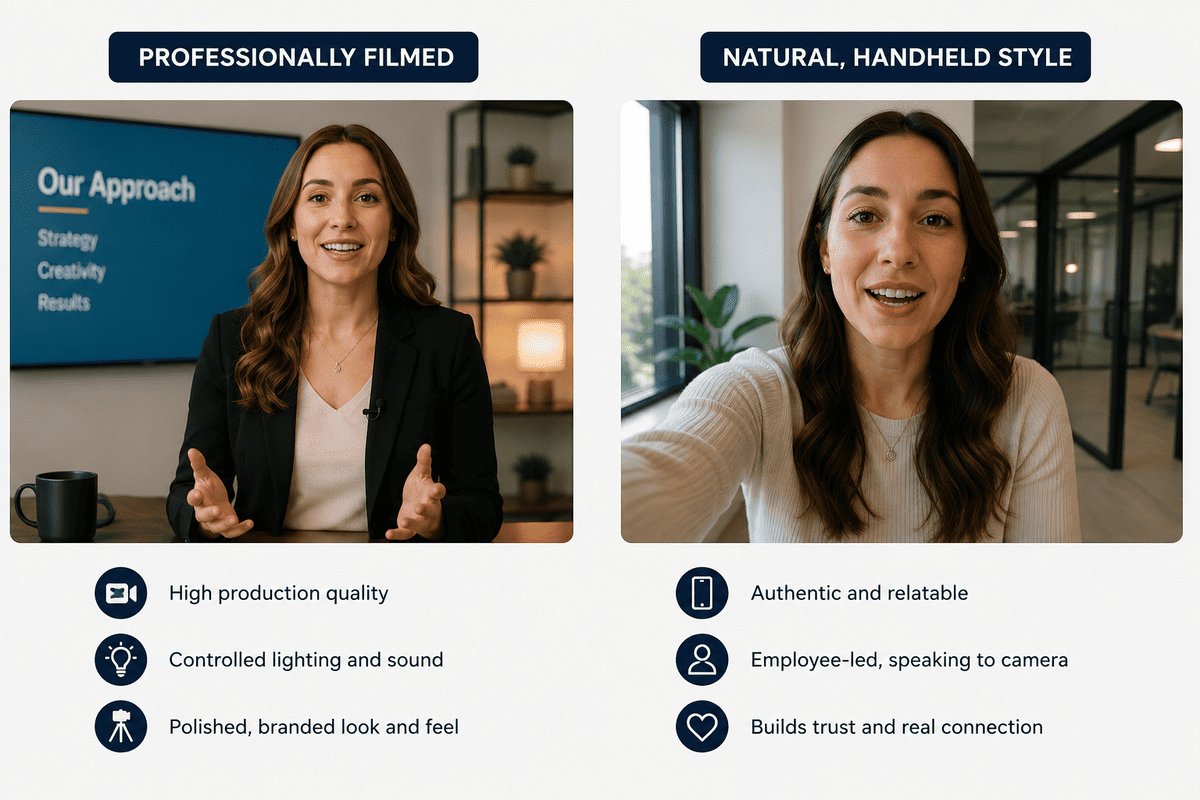
Another noticeable trend is the rise of content that feels organic rather than overly polished. While businesses still benefit from professional production, many are intentionally adopting techniques inspired by user-generated content (UGC).
This style often includes:
- Handheld camera movements
- Natural conversations
- Informal interview settings
- Employees speaking directly to the camera
- Day-in-the-life style footage
- Minimal graphics and transitions
The appeal lies in its relatability. Videos that feel too scripted or heavily branded can sometimes create distance between the business and its audience. By contrast, content with a more natural look often feels honest and approachable.
For businesses, this doesn't mean replacing professional production with smartphone footage. Instead, it's about combining professional planning, filming, and editing with a style that feels genuine and accessible.
Purpose-Driven Brands Stand Out
Gen Z tends to pay close attention to what a business stands for, not just what it sells.
Many younger consumers and job seekers consider factors such as:
- Environmental responsibility
- Diversity and inclusion
- Community involvement
- Employee wellbeing
- Ethical business practices
Corporate videos provide an opportunity to communicate these values in a meaningful way.
Rather than making broad claims, businesses should focus on showing real initiatives. For example, instead of saying a company is committed to sustainability, a video could highlight practical actions such as reducing waste, supporting local charities, or implementing greener working practices.
Showing these efforts through real stories and real people makes the message far more credible.
Multi-Platform Content Is Now Essential
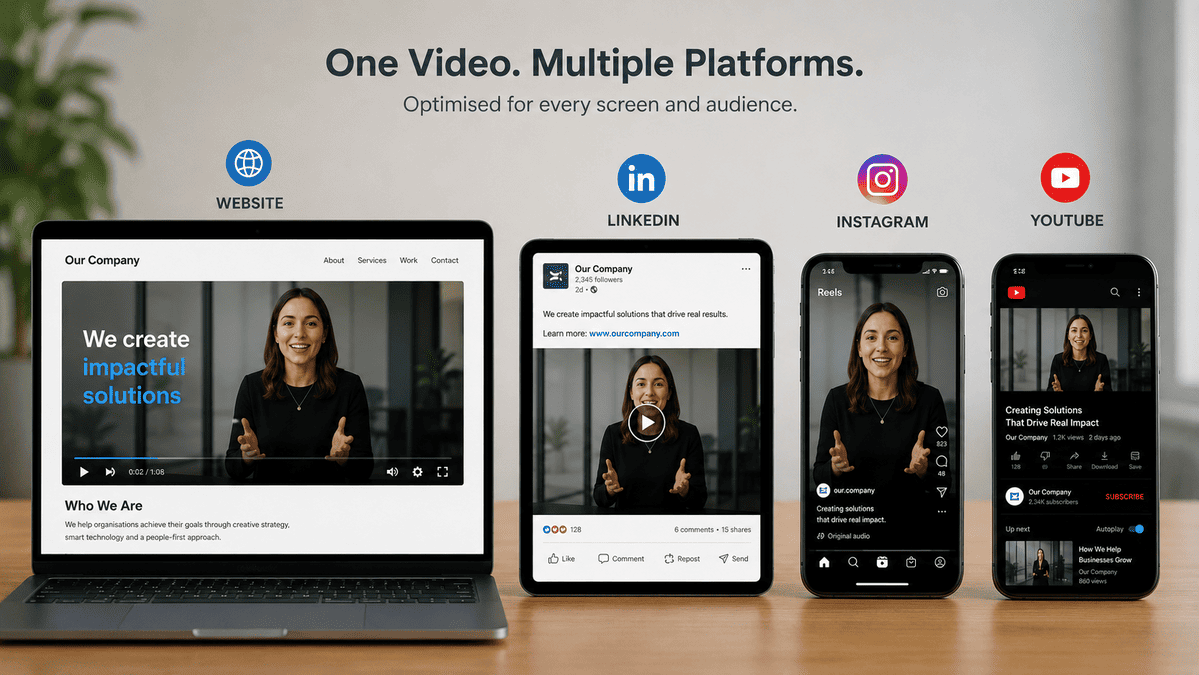
Gone are the days when businesses produced one corporate video and uploaded it only to their website.
Today's audiences discover brands across a variety of platforms, each with its own viewing habits and content formats.
A single production can often be repurposed into:
- A full-length website video
- LinkedIn clips
- Instagram Reels
- TikTok edits
- YouTube Shorts
- Behind-the-scenes content
- Recruitment videos
- Paid social adverts
- Customer testimonials
- Email marketing videos
Planning for multiple formats from the outset makes production more efficient and helps businesses maximise their investment.
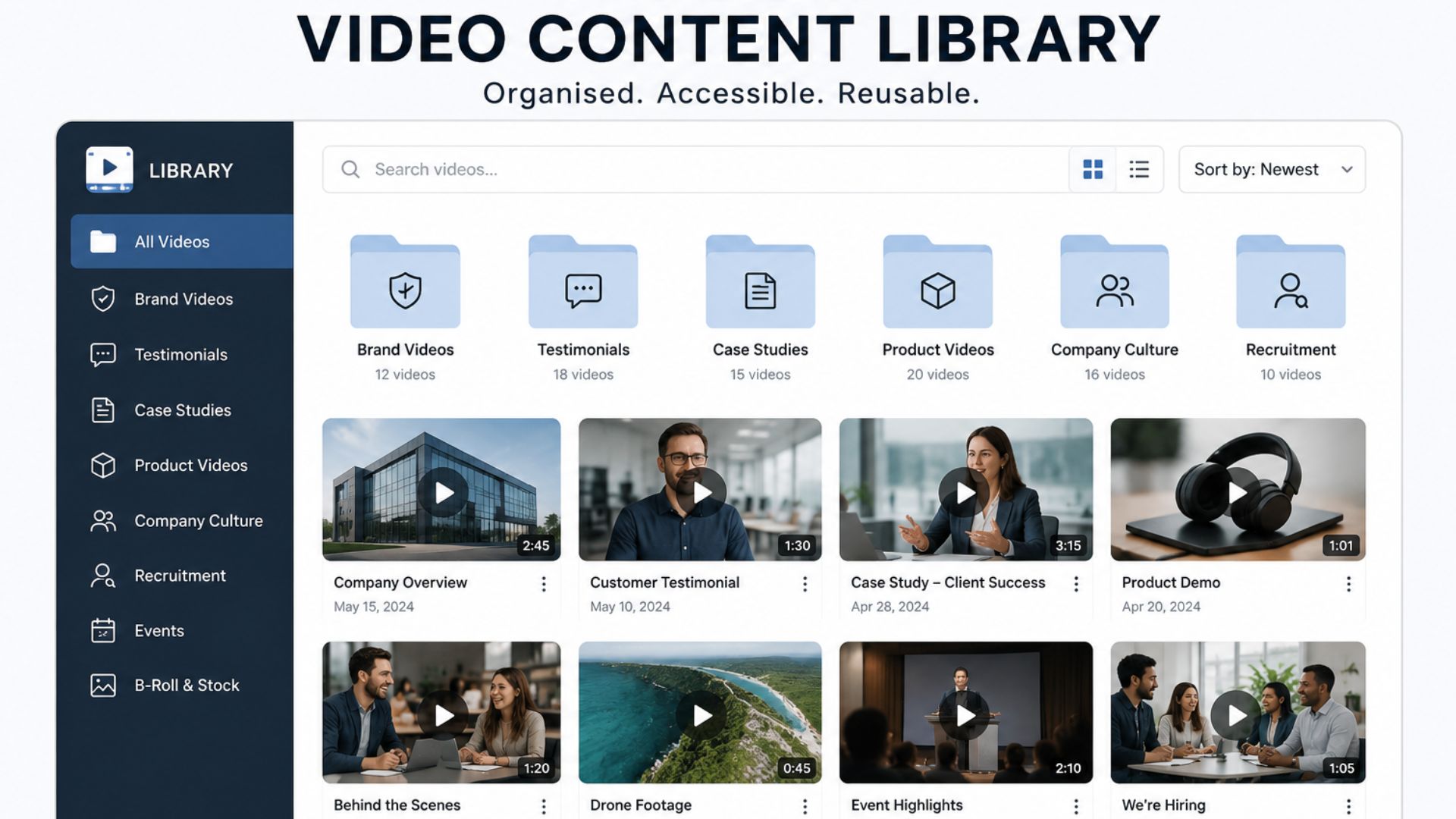
Rather than thinking about one video, it's often more effective to think about creating a complete content library from a single filming day.
Personalisation Is Becoming More Important
Generic messaging is becoming less effective, especially when trying to engage younger audiences.
Instead of creating one broad corporate film that attempts to speak to everyone, many businesses are producing videos tailored to specific audiences.
For example, one organisation might create separate videos for:
- Graduate recruitment
- Experienced professionals
- Potential clients
- Existing customers
- Investors
- Event attendees
Each audience has different priorities, and personalising the message helps improve engagement.
This doesn't necessarily require separate production days. With careful planning, multiple audience-specific videos can often be captured during the same shoot.
Accessibility Is No Longer an Afterthought
Accessibility has become an increasingly important consideration in corporate video production.
Many viewers watch videos without sound, particularly on social media. Others rely on captions or accessible design due to hearing impairments or different viewing environments.
Simple improvements can make a significant difference, including:
- Accurate subtitles
- Clear on-screen text
- Strong colour contrast
- Readable typography
- Good audio quality
- Logical pacing
Making videos more accessible not only improves the viewing experience but also helps businesses reach a wider audience.
AI Is Changing Production—But Not Replacing Creativity
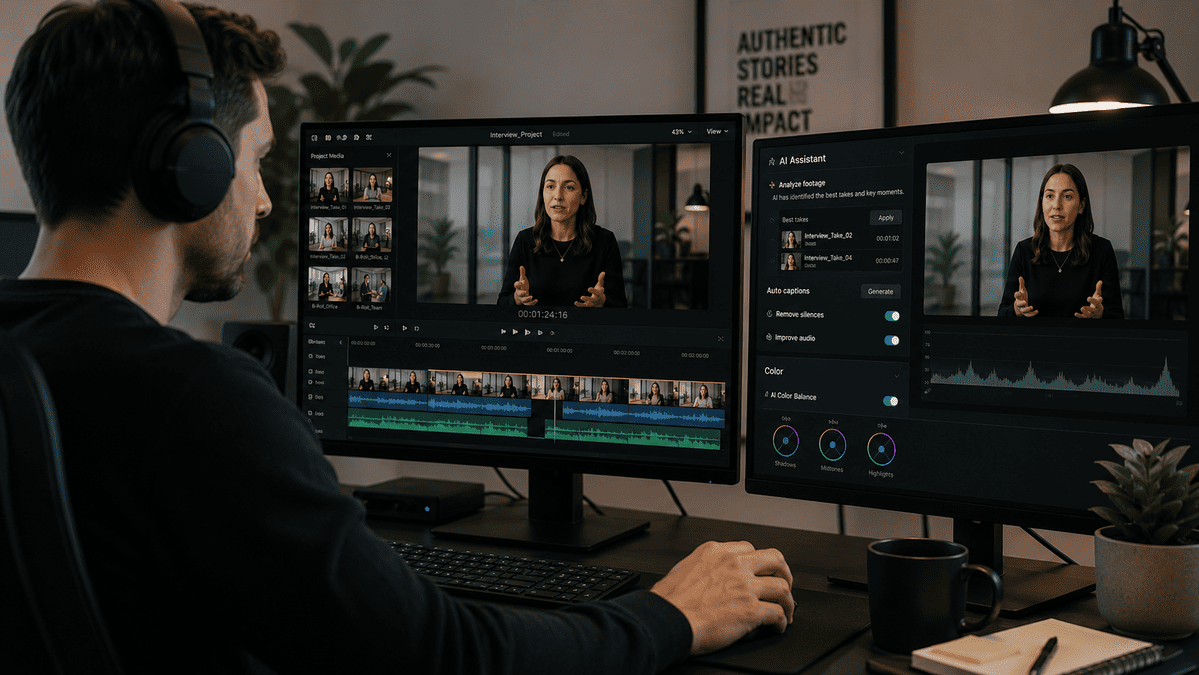
Artificial intelligence is transforming many aspects of video production, from automated editing tools to caption generation and content planning.
These technologies can improve efficiency by helping with tasks such as:
- Video transcription
- Subtitle creation
- Editing assistance
- Content repurposing
- Voiceovers
- Analytics and performance insights
However, AI cannot replace the human elements that make a corporate video memorable.
Successful business videos still depend on:
- Authentic storytelling
- Creative direction
- Strategic messaging
- Emotional connection
- Understanding the target audience
Technology can support the production process, but people remain at the heart of compelling brand stories.
Common Mistakes Businesses Make When Trying to Appeal to Gen Z
As businesses adapt their video strategy, it's important to avoid common pitfalls.
Trying Too Hard to Follow Trends
Not every viral trend suits every brand.
Businesses should focus on authenticity rather than copying internet trends that don't align with their identity. Audiences can quickly recognise when a company is trying too hard to appear relatable.
Prioritising Style Over Substance
Creative editing and eye-catching visuals are valuable, but they should never come at the expense of a clear message.
Every corporate video should answer an important question:
What should viewers remember after watching?
If the message is unclear, even the most visually impressive video is unlikely to achieve its objectives.
Ignoring Mobile Users
Many businesses still create videos primarily for desktop viewing.
Considering that a significant proportion of video consumption now takes place on mobile devices, videos should be planned with mobile-first viewing in mind. This includes framing, text size, captions, and pacing.
Forgetting the Human Element
Corporate videos often focus heavily on products, services, or company achievements.
While these topics matter, people generally connect more strongly with other people.
Featuring employees, customers, founders, and partners can make videos more engaging and memorable.
What This Means for Businesses
The influence of Gen Z is reshaping expectations around corporate video production, but the underlying goal remains the same: building trust.
Businesses that succeed are those that communicate with honesty, clarity, and purpose.
That means creating videos that:
- Tell genuine stories
- Feature real people
- Educate rather than simply promote
- Work across multiple platforms
- Reflect the company's values
- Deliver professional quality without feeling overly staged
These principles don't just appeal to Gen Z—they resonate with audiences of all ages.
Turning Insights into Action
Understanding how Gen Z is changing corporate video production is only the first step. The real opportunity comes from applying these insights to create videos that reflect your brand, resonate with your audience, and support your wider business goals. Whether you're refreshing an existing video strategy or planning your first corporate video, taking the time to align your content with modern viewing habits can make a lasting difference to engagement, recruitment, and brand perception.
Conclusion
As audience expectations continue to evolve, businesses that embrace authentic, audience-focused storytelling will be better placed to stand out, build trust, and achieve stronger results from their video content.
If you're planning your next project, explore our video production services, get a quick estimate with our Instant Price Calculator, or get in touch with Mango Media team for a no-obligation conversation.
Frequently Asked Questions
How is Gen Z changing corporate video production?
Gen Z is driving businesses to create more authentic, story-driven videos that feature real people, genuine experiences, and shorter formats optimised for digital platforms. While professional production remains essential, today's audiences expect content that feels natural, relatable, and tailored to how they consume video online.
What makes a corporate video appealing to Gen Z?
Gen Z is more likely to engage with corporate videos that showcase authentic company culture, employee stories, behind-the-scenes footage, customer experiences, and purpose-driven messaging. Videos that are concise, mobile-friendly, and designed for platforms such as LinkedIn, Instagram Reels, TikTok, and YouTube Shorts also tend to perform better.
How can businesses create corporate videos that connect with Gen Z?
Businesses can connect with Gen Z by focusing on genuine storytelling rather than overly scripted messaging, featuring real employees and customers, creating content for multiple platforms, and ensuring videos are engaging, accessible, and professionally produced. The goal is to build trust by showing the people and values behind the brand.
Similar blogs:




















![How to Write a Promo Video Script (Free Template Included) [2026 Guide]](https://cdn.prod.website-files.com/6226fcc37e2eb518b6e69a7f/69c3804c0b9ea78696bd89e0_covertab11.jpeg)



.jpg)
%20(1)%20(1).jpg)
.jpg)






We'd love to hear from you! Reach out to us today for a chat about our services, pricing, or just to say hello!


