
In today’s oversaturated inboxes, getting your email noticed — let alone opened — is no easy feat. In this article, we’ll explore the power of video in email campaigns, how to embed video content the right way, best practices to maximise performance, and how to track your results. Whether you’re a startup, marketer, or creative agency, using video in your emails can be a game-changer for audience retention and conversions.
Why Do Camera Angles Matter in Business Videos?
Camera angles are more than technical decisions made by a camera operator. They affect how viewers interpret the people, products and environments shown on screen.
Think about the difference between looking up at someone and looking directly at them. The subject hasn't changed, but your perception of them can.
The same principle applies to business video.
A CEO filmed from a slightly lower angle may appear confident and authoritative. A customer filmed at eye level can feel more relatable and trustworthy. A wide shot of a workplace can communicate scale, while a close-up can draw attention to an important detail or emotional reaction.
These choices do not automatically create a particular response. Context, lighting, composition, editing and the subject themselves all matter. But camera positioning gives filmmakers another way to reinforce the story.
This is particularly important in corporate video, where the goal is rarely just to show something. The video may need to communicate expertise, trust, energy, innovation, approachability or confidence.
How Camera Position Changes Audience Perception
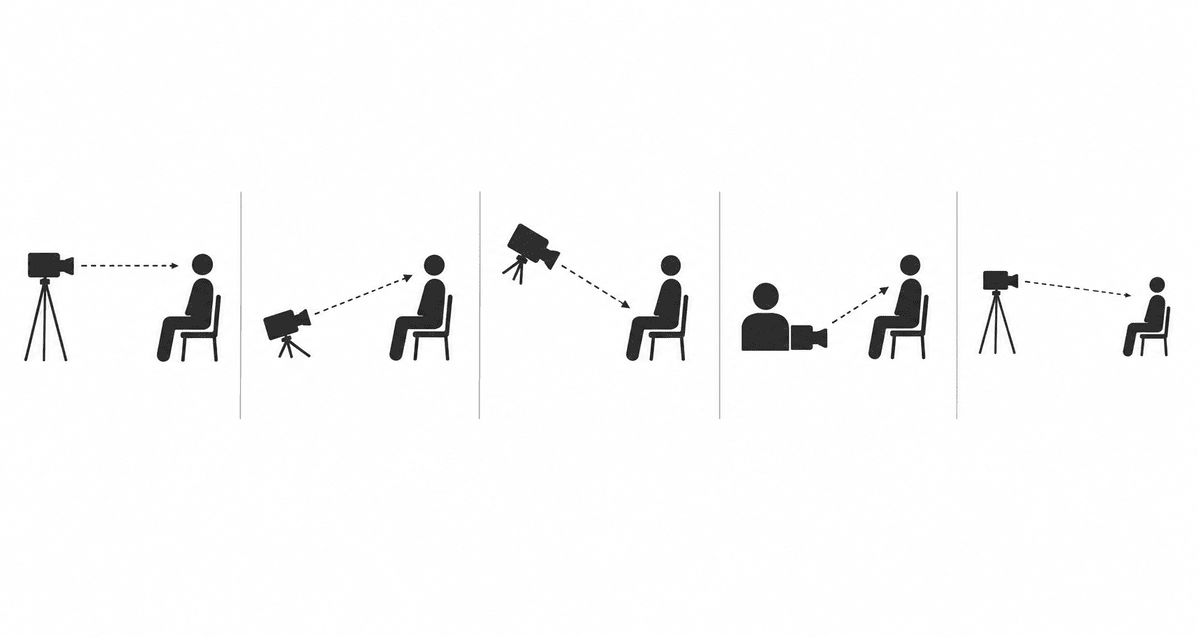
Camera angle affects the visual relationship between the viewer and the subject.
When the camera is positioned at roughly the same height as someone's eyes, the viewer tends to feel like they are having a direct interaction with that person.
Move the camera above the subject and the relationship changes. Move it below them and it changes again.
This is why professional video production isn't simply about choosing the most attractive shot. The angle should support what the audience needs to understand or feel.
Before filming, consider:
- What should the audience think about this person?
- What should they feel?
- Is the subject supposed to appear authoritative or approachable?
- Is the environment important to the story?
- Does the shot need to create intimacy, energy or scale?
Once the purpose is clear, the camera position becomes a storytelling decision rather than simply an equipment decision.
Eye-Level Shots: Creating Connection and Trust
Eye-level framing is one of the most natural choices for business video.
The camera is positioned roughly level with the subject's eyes, creating a perspective that feels familiar to the viewer.
This makes it particularly useful for:
- Customer testimonials
- Interviews
- Recruitment videos
- Founder messages
- Internal communications
- Educational content
If you're asking a customer to explain their experience, for example, an eye-level shot can help the person feel like they are speaking directly to the viewer.
It can also be effective when a business wants to appear approachable rather than overly corporate.
However, eye-level does not mean every shot should look identical. Background, lens choice, framing and camera movement can all change the feeling while maintaining a natural perspective.
Low-Angle Shots: Communicating Authority
A low-angle shot places the camera below the subject and points upwards.
This can make a person or object appear larger, more imposing or more powerful.
In business video, that can sometimes be useful when communicating:
- Leadership
- Authority
- Confidence
- Scale
- Strength
For example, a corporate film introducing a senior executive might use a carefully controlled lower perspective to reinforce leadership.
But there is a reason to use this technique selectively.
Too extreme an angle can make a subject appear intimidating or unnatural. For a customer testimonial, that may work against the sense of trust and relatability you're trying to create.
The question isn't simply, "Does this angle look dramatic?"
It's:
"Does this angle communicate the right thing about the subject?"
High-Angle Shots: Changing the Relationship
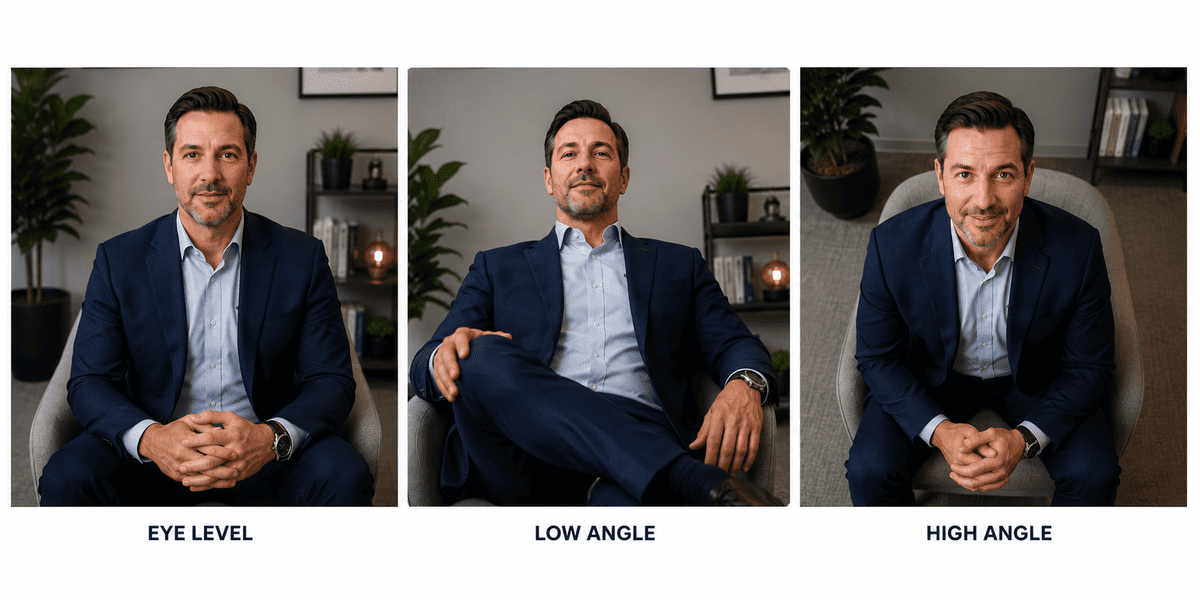
A high-angle shot places the camera above the subject and looks down.
This can make the subject appear smaller within the frame and create a different emotional relationship between viewer and subject.
In commercial and corporate video, high angles can be useful when the wider environment matters as much as the person.
For example, a high or elevated shot of a construction site can communicate scale and activity more effectively than a close-up of one worker.
Similarly, an elevated shot of a busy office, manufacturing floor or event venue can establish context before moving into closer shots.
Used too aggressively on an individual, however, the angle can create a sense of vulnerability or reduced authority. As with any camera choice, context matters.
Close-Ups: Directing Attention
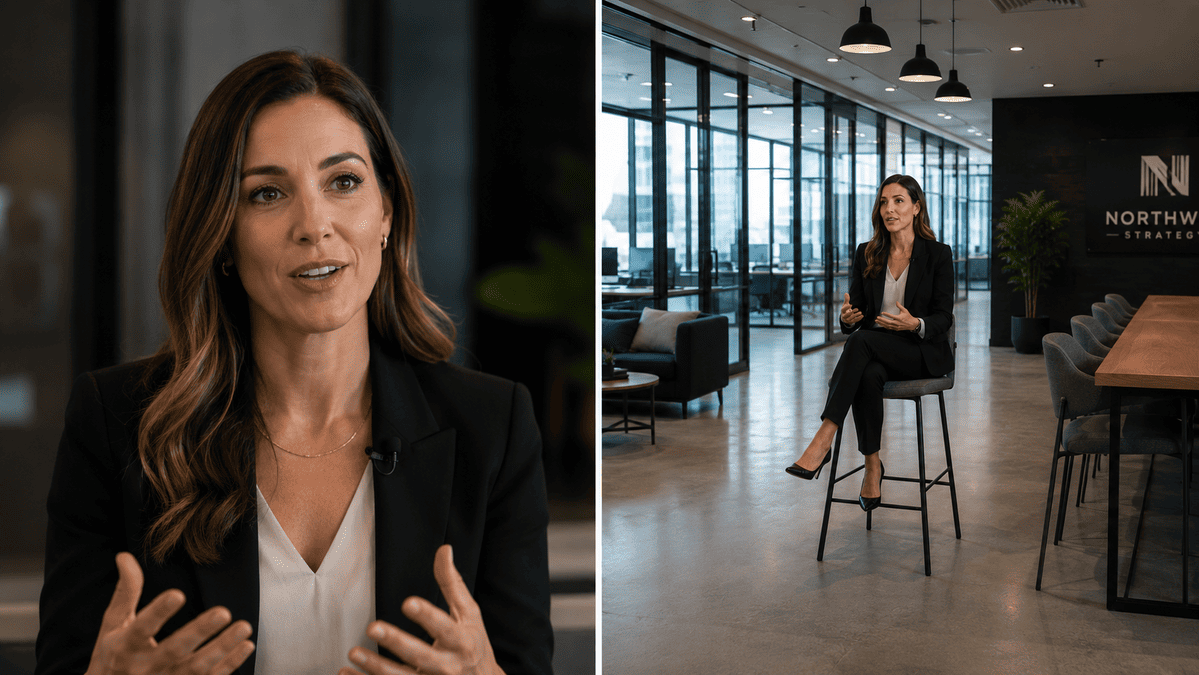
A close-up reduces the amount of surrounding information and places greater emphasis on the subject.
This can be especially powerful when the audience needs to notice:
- Facial expression
- Emotion
- Product detail
- A specific action
- A reaction
- An important visual feature
A close-up of a customer describing how a service solved a problem can make the moment feel more personal.
A close-up of a product can draw attention to its materials, controls or design.
Close-ups also give editors useful options when building a sequence. Moving between a wider shot and a close-up can change the pace and emphasis without changing the subject.
For interviews, however, close-ups should still feel intentional rather than intrusive. The right framing depends on the tone, subject and overall visual style.
Wide Shots: Showing Context and Scale
Wide shots do the opposite of a close-up. Instead of isolating the subject, they show the surrounding environment.
This makes them particularly useful for establishing:
- Workplace environments
- Locations
- Events
- Manufacturing facilities
- Construction projects
- Products in use
- Team interactions
Imagine a recruitment video showing an employee speaking directly to camera.
A close-up tells us about the person.
A wide shot can tell us where they work.
Both have value, but they communicate different information.
Wide shots are also useful for creating a sense of scale. A large production facility, busy event or expansive property can be difficult to communicate through close framing alone.
Over-the-Shoulder Shots: Creating Perspective
An over-the-shoulder shot shows a subject from behind another person's shoulder.
This technique can make the viewer feel as though they are part of the interaction rather than simply watching it.
It works particularly well for:
- Conversations
- Demonstrations
- Meetings
- Interviews
- Product explanations
- Customer interactions
For example, a software company could show an employee explaining a platform to a colleague. Rather than filming only the person speaking, an over-the-shoulder shot can establish the relationship between the presenter, the software and the person using it.
This type of shot can also add visual variety to an otherwise interview-heavy video.
Two-Shots: Showing Relationships
A two-shot places two people within the same frame.
This can be useful when the relationship between the people is part of the story.
Consider a customer case study involving both a client and a member of the service team. Showing them together can communicate collaboration in a way that two isolated interviews cannot.
Two-shots can also work well for recruitment videos, workplace culture content and conversational brand films.
The composition needs to feel balanced, though. The viewer should understand who they are looking at and why both people are in the frame.
Camera Angles for Corporate Interviews
Corporate interviews often use eye-level or slightly off-centre framing because the objective is usually to make the speaker appear confident and approachable.
Mango Media's interview video setup guide covers the technical considerations behind professional interview framing, lighting and audio.
But camera angle becomes more interesting when you consider the message behind the interview.
A CEO discussing company direction may benefit from a more authoritative composition.
A customer discussing their experience may benefit from something warmer and more conversational.
An employee describing workplace culture may work better in an environment that feels open and authentic.
The camera isn't responsible for creating those qualities by itself. Instead, it works alongside the location, lighting, performance and editing to reinforce them.

Camera Angles for Product and Demonstration Videos
Camera angles can also influence how audiences understand products.
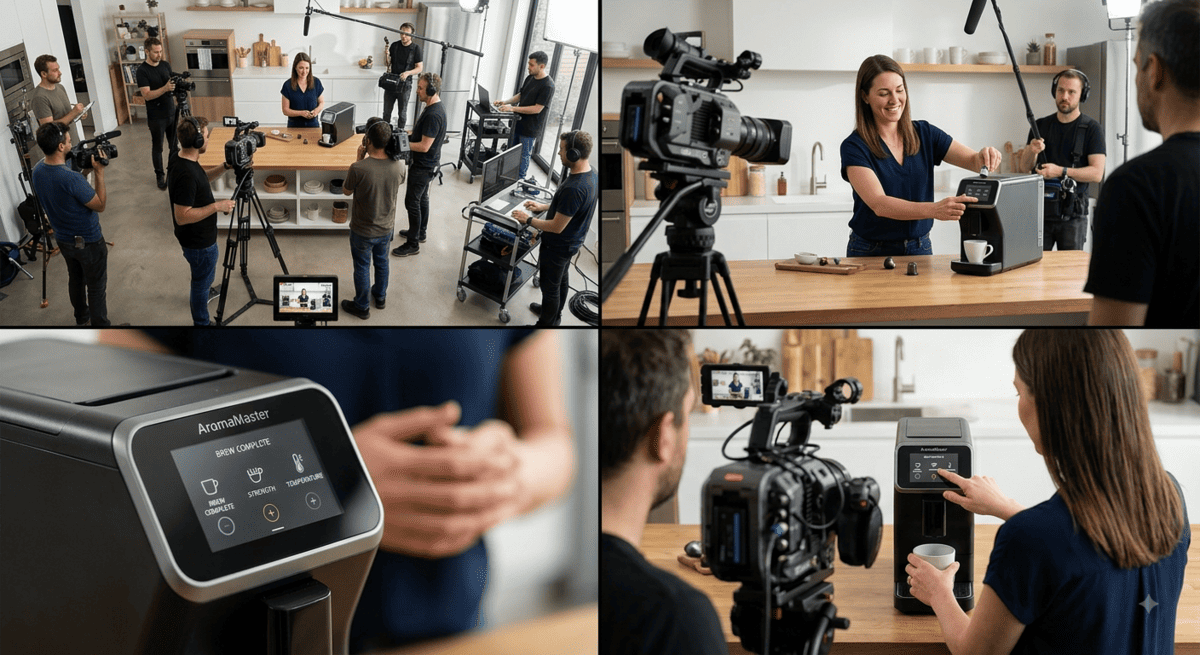
A product demonstration might use a combination of:
- Wide shots to establish the environment
- Medium shots to show the product in use
- Close-ups to highlight features
- Over-the-shoulder shots to show the user's perspective
- Detail shots to demonstrate specific functions
The sequence matters.
Showing the whole product first gives the viewer context. Moving closer allows them to understand how it works.
For technical products, the camera can also be positioned to replicate the customer's point of view.
Instead of simply saying how something works, show the audience what they would actually see while using it.
Camera Angles for Recruitment and Employer Branding
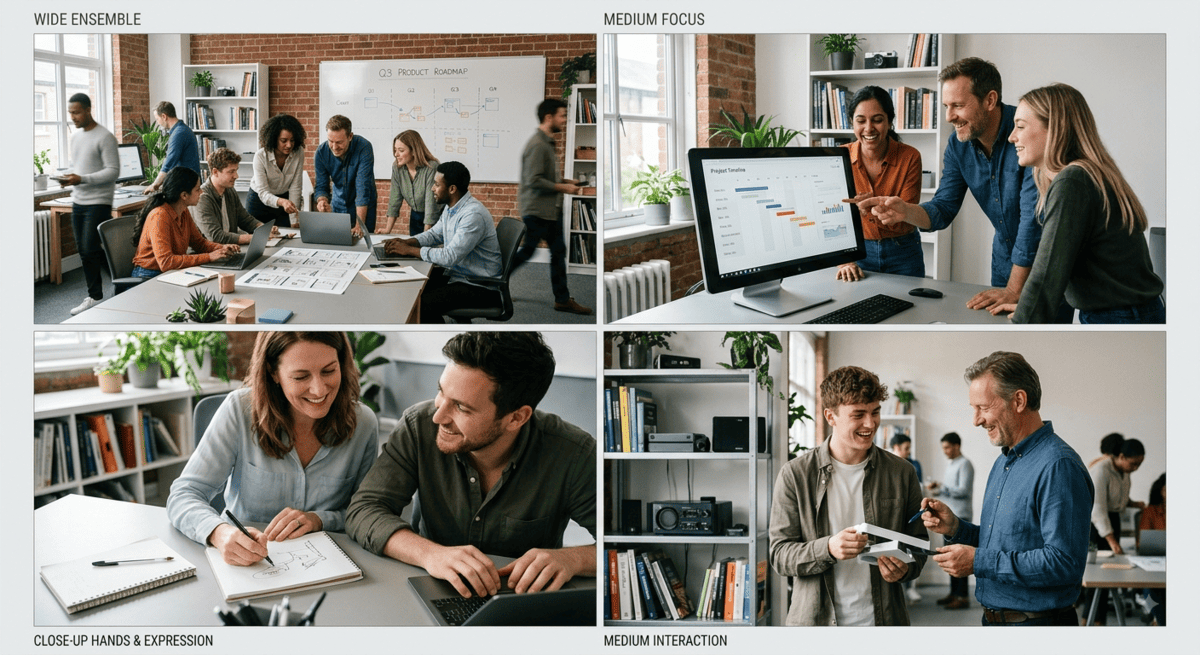
Recruitment videos need to communicate more than what a company does. They need to give potential employees a sense of what it might feel like to work there.
Camera choices can help create that impression.
Wide shots can show team environments and workplace activity.
Medium shots can capture conversations and collaboration.
Close-ups can add personality and emotion.
Moving shots can introduce energy, while more stable compositions can create a calmer and more professional tone.
The important thing is consistency. If the company's recruitment message is about openness and collaboration, overly dramatic or intimidating camera angles may send the wrong visual signal.
Camera Movement Matters Too
Although camera angle and camera movement are different decisions, they often work together.
A static camera can create stability and authority.
A slow camera movement can introduce energy or reveal information.
Handheld movement can feel immediate and documentary-like.
A tracking shot can make a workplace or event feel active and dynamic.
Again, there is no universally "best" approach.
A financial services company explaining a complex service may benefit from a controlled, stable visual style. A creative agency showcasing its team may want something more energetic.
The production style should match the brand and the audience.
Common Camera-Angle Mistakes
Choosing an Angle Because It Looks Impressive
A dramatic shot isn't automatically an effective shot.
If the angle attracts attention to itself instead of supporting the message, it can become distracting.
Using the Same Framing for Everything
A video made entirely from identical medium shots can quickly feel visually flat.
Different angles and shot sizes give editors more options and help maintain attention.
Forgetting the Subject's Role
A camera angle that works for a cinematic brand film may not work for a customer testimonial.
Always consider what the person or object needs to communicate.
Making Angles Too Extreme
Extreme high or low angles can be visually striking, but they can also create unintended associations.
Use them deliberately rather than simply because they are available.
Prioritising Equipment Over Storytelling
A sophisticated camera cannot compensate for an unclear story.
The visual choices should support the objective, audience and message first. Equipment comes after that.
Mango Media's video production process guide explains how visual decisions fit within the wider planning, filming and post-production process.
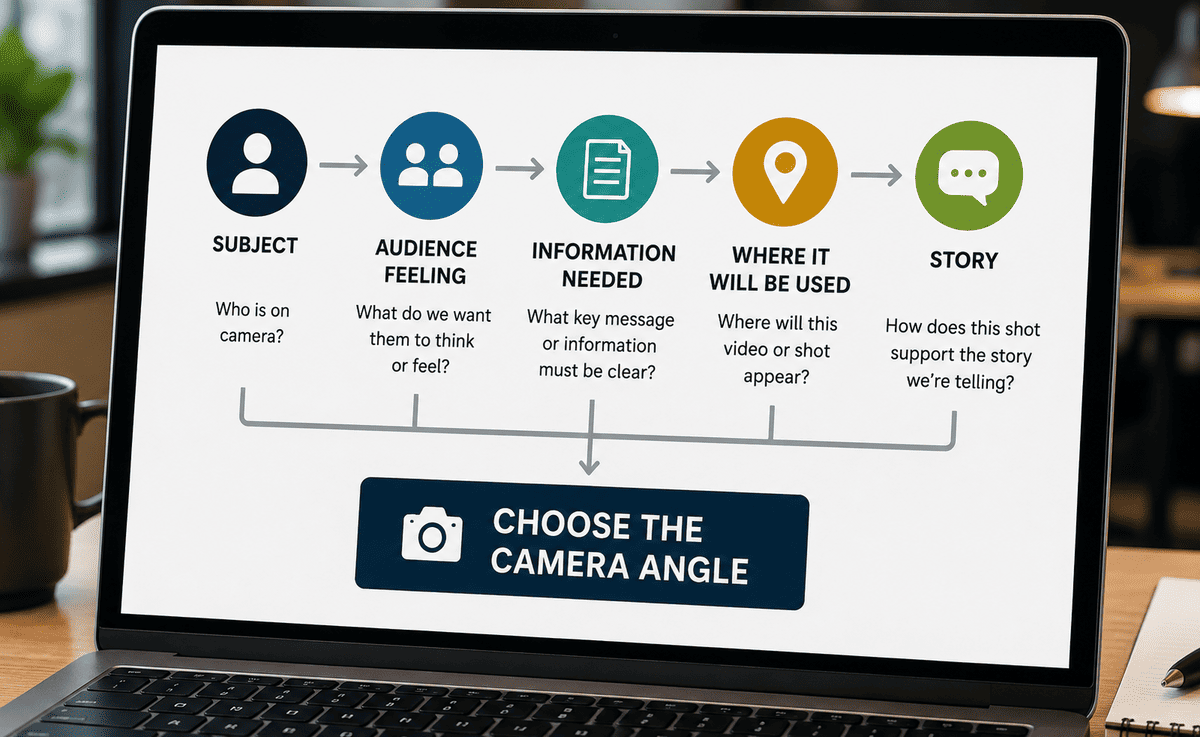
How to Choose the Right Camera Angle
Before filming, ask five simple questions:
1. Who is the subject?
A CEO, customer, employee and product may each require a different visual approach.
2. What should the audience feel?
Trust, confidence, excitement, curiosity and empathy can all call for different choices.
3. What does the viewer need to understand?
If the environment matters, consider a wider shot. If the detail matters, move closer.
4. Where will the video be used?
Website videos, social content, recruitment films and advertisements may have different visual requirements.
5. Does the angle support the story?
If removing the dramatic camera angle makes the message clearer, the angle may not be necessary.
This approach keeps camera decisions purposeful.
Why Professional Video Production Is About More Than Camera Gear
It is easy to assume that professional video means using the most expensive camera or latest equipment.
In reality, production quality comes from dozens of decisions working together.
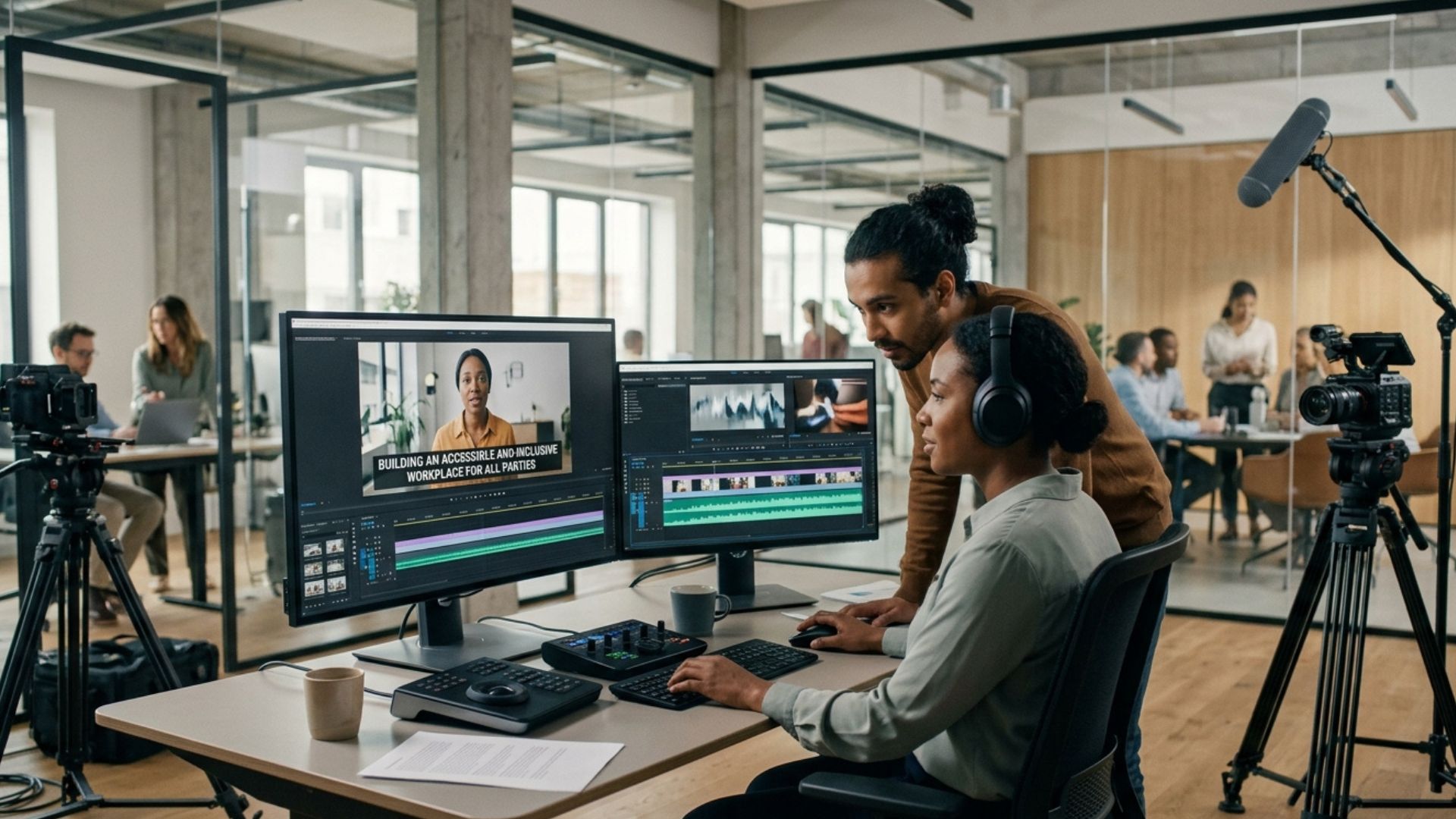
Camera position, lens selection, lighting, audio, background, performance, movement, editing and colour all contribute to the final result.
A technically impressive shot can still fail if it communicates the wrong message.
Likewise, a relatively simple composition can be extremely effective when it supports a clear story.
That's why good video production begins with understanding the purpose of the content rather than choosing equipment first.
From Understanding Camera Angles to Planning Your Video
If you're starting to think about how camera angles could change the way your business appears on screen, the next step is to connect those visual choices to the story you're trying to tell. Think about who needs to appear, what you want viewers to understand, and what impression you want the finished video to leave before deciding how each scene should be filmed.
Conclusion
Camera angles may seem like a small production detail, but they can influence how audiences interpret the people, products and environments they see. The most effective approach isn't to use the most dramatic angle—it is to choose a perspective that supports the message, audience and emotion behind each scene.
If you're looking to create a business video that looks professional while communicating the right message, the team at Mango Media can help turn those creative decisions into a finished production. Explore our video production services, use our instant price calculator for a quick estimate, or get in touch for a no-obligation conversation.
Frequently Asked Questions
What are the different types of camera angles?
Common camera angles include eye-level, high-angle and low-angle shots, while shot types such as close-ups, wide shots, over-the-shoulder shots and two-shots can change how much context or detail the audience sees. The right combination depends on the subject, story and intended response.
How do camera angles affect audience perception?
Camera angles can influence how powerful, approachable, vulnerable or important a subject appears. Eye-level framing often feels natural and balanced, while high and low angles can create stronger visual associations when used deliberately.
What camera angle is best for corporate videos?
Eye-level and natural medium framing are often effective for corporate interviews because they can make speakers feel approachable and professional. Other angles and shot sizes can then be introduced to add context, demonstrate products or create visual variety depending on the video's purpose.
Similar blogs:















![How to Write a Promo Video Script (Free Template Included) [2026 Guide]](https://cdn.prod.website-files.com/6226fcc37e2eb518b6e69a7f/69c3804c0b9ea78696bd89e0_covertab11.jpeg)

.jpg)
%20(1)%20(1).jpg)
.jpg)





We'd love to hear from you! Reach out to us today for a chat about our services, pricing, or just to say hello!


