
In today’s oversaturated inboxes, getting your email noticed — let alone opened — is no easy feat. In this article, we’ll explore the power of video in email campaigns, how to embed video content the right way, best practices to maximise performance, and how to track your results. Whether you’re a startup, marketer, or creative agency, using video in your emails can be a game-changer for audience retention and conversions.
What Is a Video Production Package?
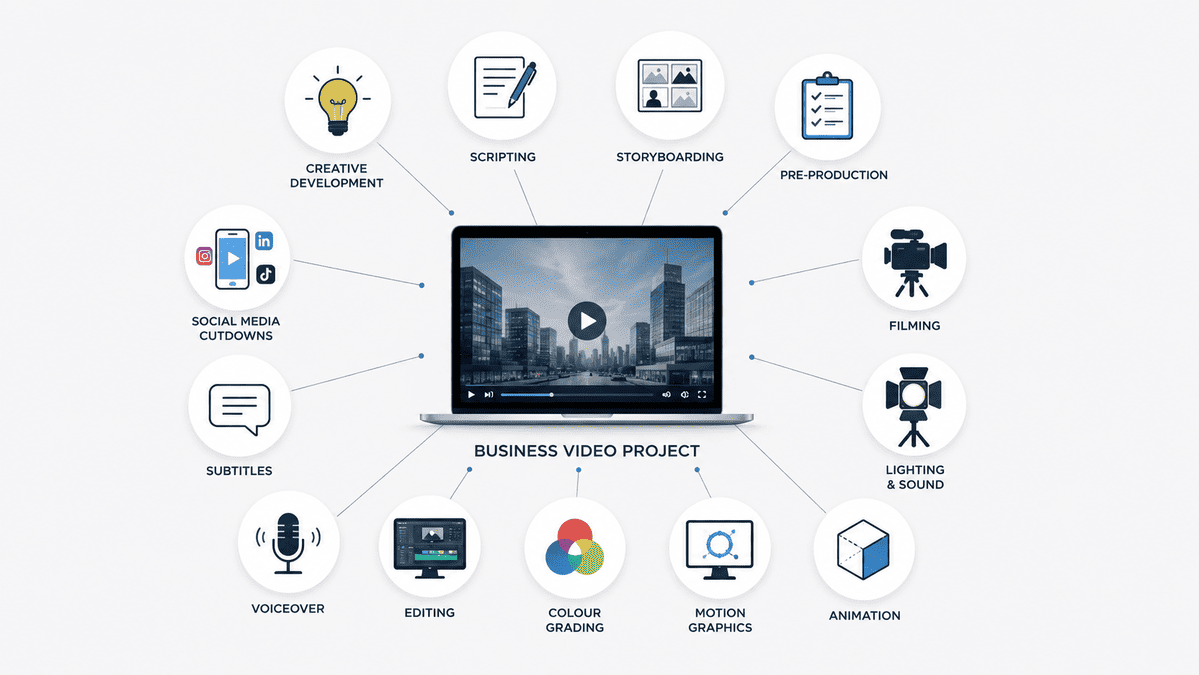
A video production package is a defined scope of services designed to take a video project from planning through to delivery.
Depending on the production company and the type of project, a package may include:
- Creative development
- Scriptwriting
- Storyboarding
- Pre-production planning
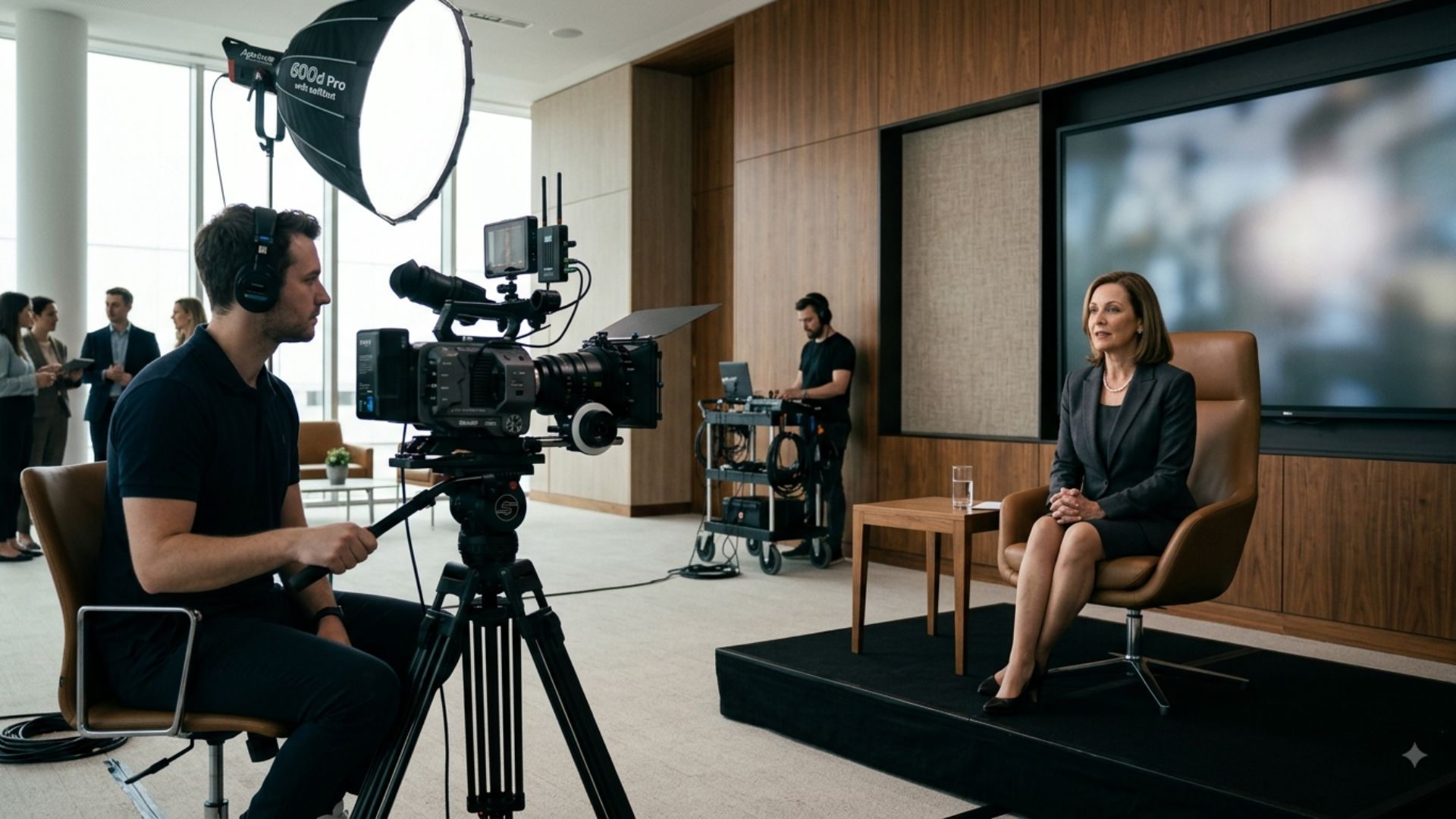
- Filming
- Camera and lighting equipment
- Sound recording
- Interviews
- B-roll
- Drone footage
- Editing
- Colour grading
- Motion graphics
- Animation
- Voiceover
- Music and sound design
- Subtitles
- Social media cutdowns
- Multiple video formats
- Revisions
- Final delivery
Not every business needs all of these elements.
A short internal announcement, for example, doesn't require the same production scope as a national advertising campaign.
That's why choosing the right video production package should begin with your objective, rather than a list of equipment or a headline price.
Start With the Goal of Your Video
Before looking at packages, ask:
What does this video need to achieve?
Your answer will influence almost every other production decision.
A business might want to:
- Increase brand awareness
- Generate leads
- Launch a product
- Explain a complex service
- Recruit employees
- Build trust with potential customers
- Showcase a project
- Promote an event
- Create social media content
- Train or educate employees
- Support a sales campaign
These goals require different approaches.
For example, a recruitment video needs to communicate company culture and give prospective employees a sense of the workplace. A product video needs to demonstrate the product clearly. A corporate brand film needs to communicate who the business is and why customers should care.
Mango Media's approach similarly starts with identifying the business problem the video needs to solve, whether that's brand awareness, recruitment, sales or explaining a product or service.
The principle is simple:
Don't start with “Which package should we buy?”
Start with:
“What does this video need to accomplish?”

The Main Factors That Determine the Right Package
Once you know the purpose of your video, several practical factors will determine how much production you actually need.
1. The Type of Video
The type of video you're creating will influence the production requirements.
Corporate Videos
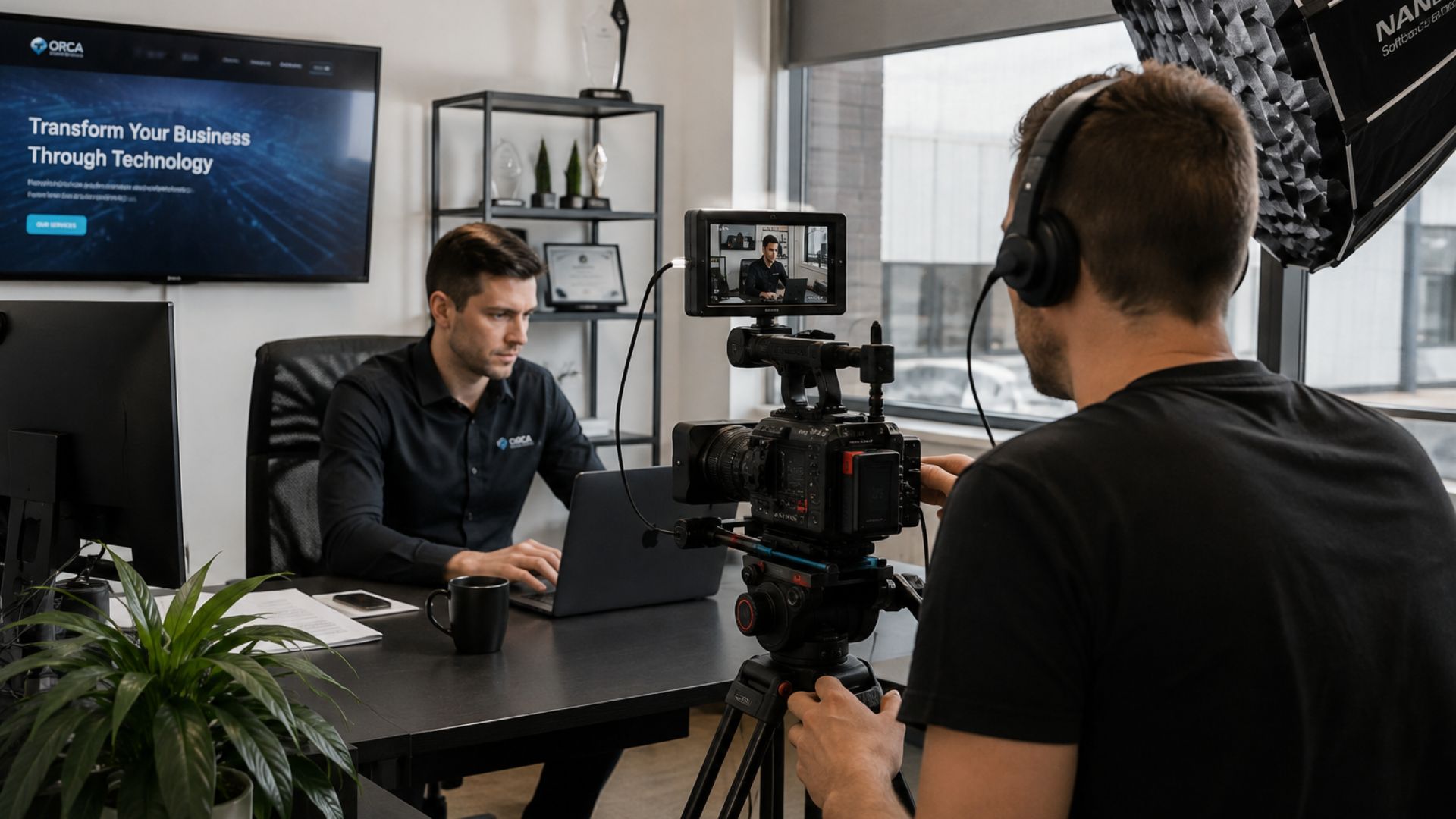
Corporate videos can range from straightforward company introductions to larger brand films involving multiple interviews, locations and extensive B-roll.
A simple company overview may need a relatively focused production.
A larger brand film could require considerably more planning, scripting, filming and post-production.
Product Videos
Product videos may require demonstrations, close-up product shots, controlled lighting, animation or visual effects.
If the product is complex, additional planning may be needed to explain how it works clearly.
Advertising Videos
Advertising campaigns often require a higher level of creative direction because the video needs to capture attention quickly while communicating a specific message.
Depending on the concept, this can involve actors, locations, props, multiple setups, animation or more extensive post-production.
Event Videos
Event productions can range from simple highlight videos to multi-camera coverage, interviews, social media clips and longer-form event content.
The size and format of the event can significantly change the production requirements.
Recruitment Videos
Recruitment videos typically benefit from authentic footage of employees, workplace environments and company culture.
The production doesn't necessarily need to be elaborate, but it needs to feel genuine and accurately reflect the organisation.
The important point is that the type of video should influence the production package—not the other way around.
2. How Much Filming Do You Need?
The amount of filming required is one of the biggest factors to consider.
A simple project might only require:
One location → one subject → one filming setup → one finished video
A larger project could involve:
Multiple locations → several interviewees → extensive B-roll → multiple filming days → several final videos
More filming doesn't automatically mean a better video.
The important question is whether the additional production time contributes to your objective.
If you're producing a two-minute recruitment video, spending several days filming unnecessary material may not provide much additional value.
On the other hand, if the goal is to create a flagship brand film and a library of social content, additional filming could make sense.
3. How Many Locations Are Involved?
Location can have a major impact on production complexity.
A single office location is relatively straightforward.
Multiple locations introduce additional considerations such as:
- Travel
- Scheduling
- Equipment movement
- Lighting changes
- Location permissions
- Crew time
- Setup and breakdown
- Continuity
If your story requires several locations, make sure the production scope accounts for this from the beginning.
It's often better to plan the shoot around the story than to choose locations simply because they make the production appear more elaborate.
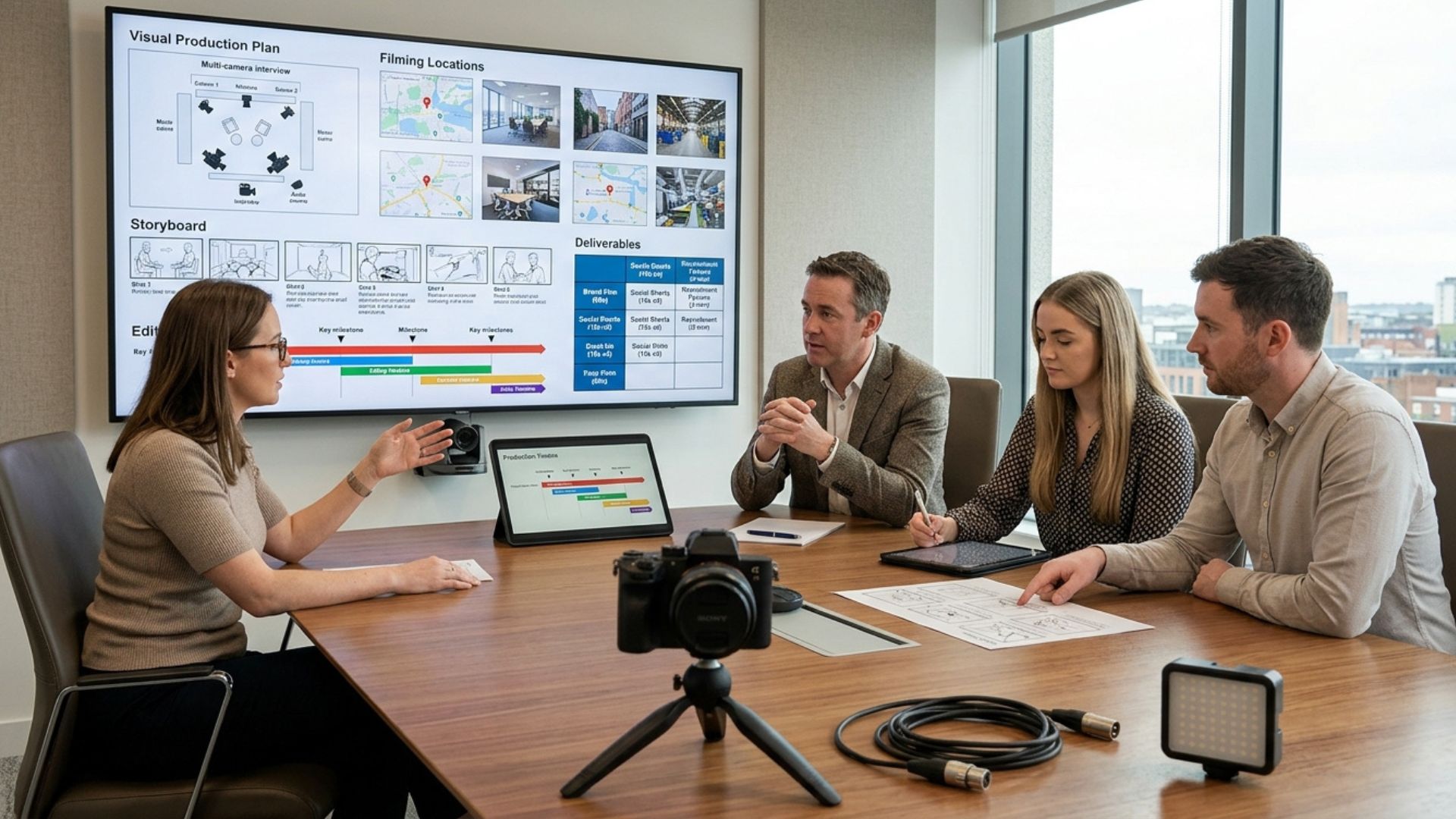
4. How Much Pre-Production Support Do You Need?
Pre-production is easy to underestimate because the audience never sees it.
But it can have a significant effect on the final result.
Pre-production can include:
- Creative development
- Research
- Scriptwriting
- Storyboarding
- Shot lists
- Location planning
- Interview preparation
- Scheduling
- Casting
- Production planning
A simple talking-head video may require relatively little preparation.
A scripted advertising campaign could require considerably more.
If you're not sure exactly what your video should say or how it should be structured, choosing a production partner that can provide stronger pre-production support can be particularly valuable.
The more complex the project, the more important it becomes to solve creative and logistical questions before the cameras start rolling.
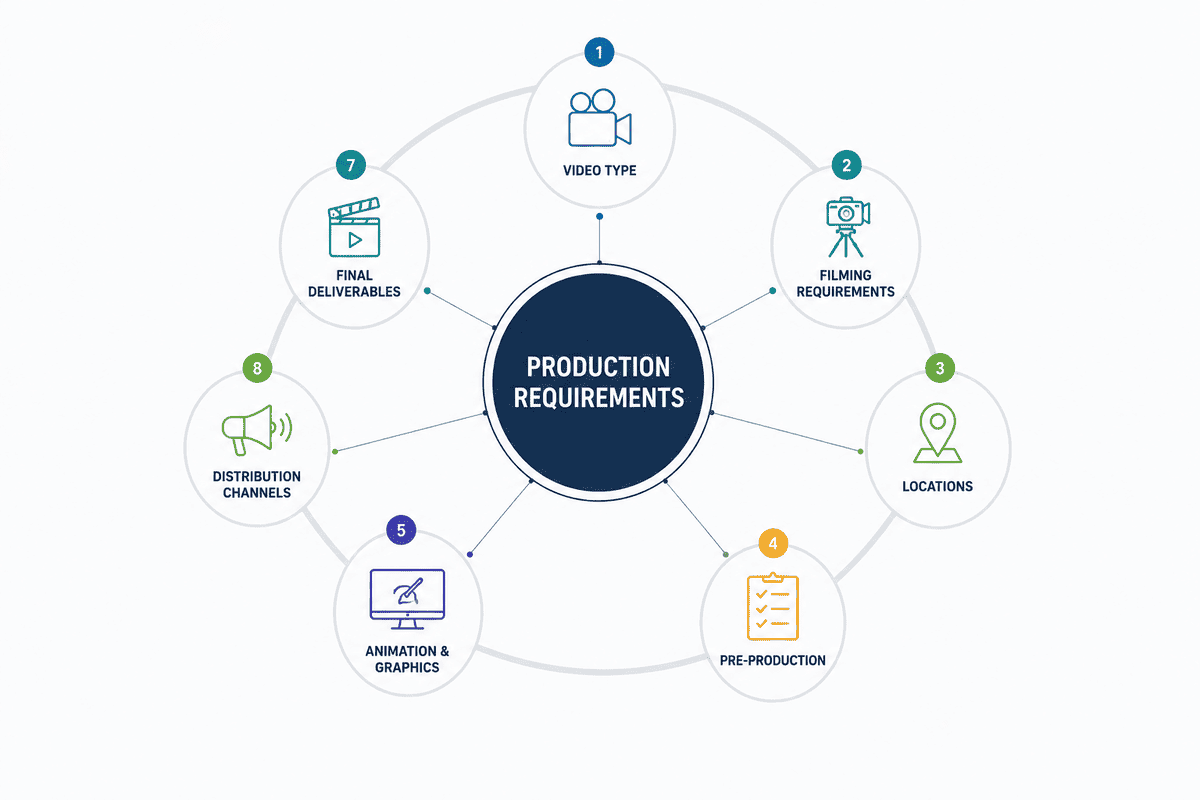
5. Do You Need Professional Animation or Graphics?
Not every video requires animation.
But graphics can be useful when you're trying to communicate information that isn't easy to capture with a camera.
For example:
- Data
- Statistics
- Processes
- Software interfaces
- Diagrams
- Timelines
- Product features
- Abstract concepts
Motion graphics can also reinforce your brand identity through typography, colours and visual elements.
If your project needs significant animation, make sure you understand whether this is included in the production scope or priced separately.
Animation shouldn't be added simply because it sounds impressive. It should have a clear purpose within the story.
6. Do You Need Drone Footage?
Drone footage can add a completely different perspective to a production.
It can be particularly useful for:
- Construction projects
- Property
- Hospitality
- Large facilities
- Tourism
- Events
- Outdoor projects
- Manufacturing sites
But drone footage isn't automatically necessary.
If an aerial shot doesn't contribute anything meaningful to the story, it may simply add cost without improving the video.
Use it when the scale, location or visual perspective actually matters.
7. How Many Final Videos Do You Need?
This is one of the most important questions to ask before choosing a package.
Are you looking for:
One finished video?
Or:
One main video + five social clips + vertical versions + shorter advertising edits?
Those are very different deliverables.
If you're investing in a production shoot, it can make sense to think beyond the main video.
A single filming day can potentially produce footage for:
- A website hero video
- LinkedIn clips
- Instagram Reels
- YouTube Shorts
- Recruitment content
- Paid advertising
- Sales presentations
- Customer communications
Thinking about these requirements before filming can help you capture the right footage and avoid having to organise another shoot simply because you didn't plan for additional content.
8. Think About Where the Video Will Be Used
The distribution channel can influence production decisions.
A video created primarily for a website may have different requirements from one designed for LinkedIn, Instagram, YouTube, paid advertising or an event screen.
Consider:
Website
You may prioritise brand storytelling, clarity and professional production quality.
You may want shorter edits, captions and professional but authentic content.
Instagram and TikTok
Vertical formats, quick hooks and short-form cutdowns may be important.
Paid Advertising
You may need multiple variations to test different messages and audiences.
Sales Presentations
Longer explanations or detailed product demonstrations may be appropriate.
Internal Communications
Clarity and efficiency may matter more than cinematic production.
The right production package should account for how the content will actually be used, not just how the main video looks.
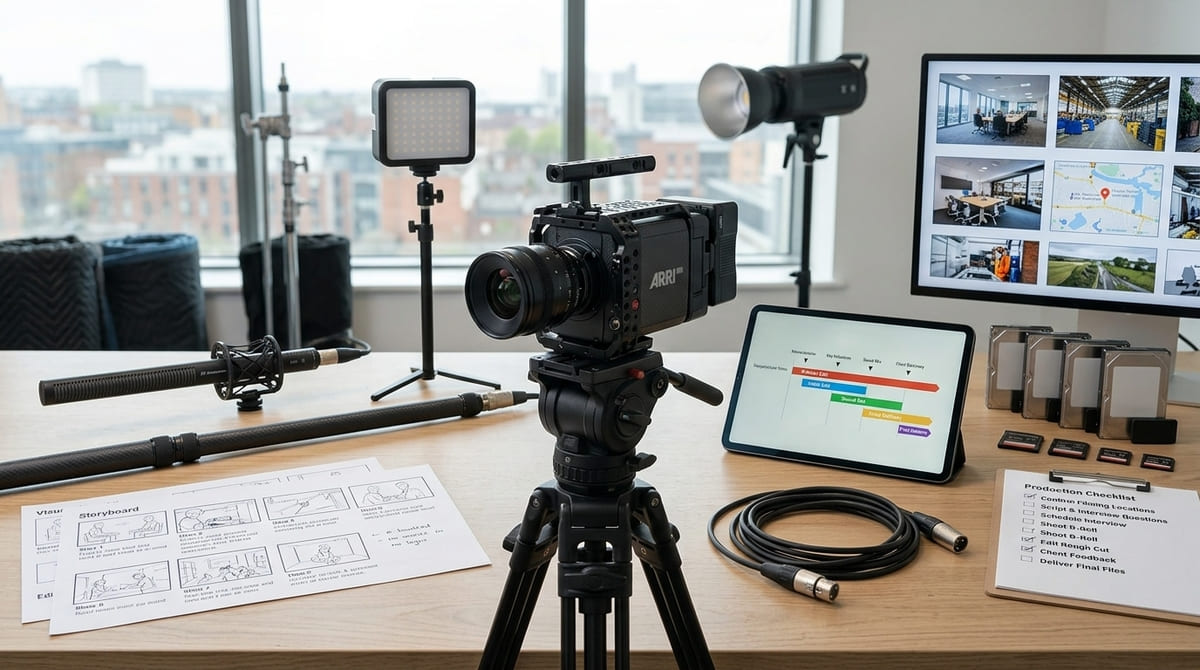
Choosing the Right Level of Production
Once you've considered your objectives, filming requirements and deliverables, you can start thinking about the level of production you need.
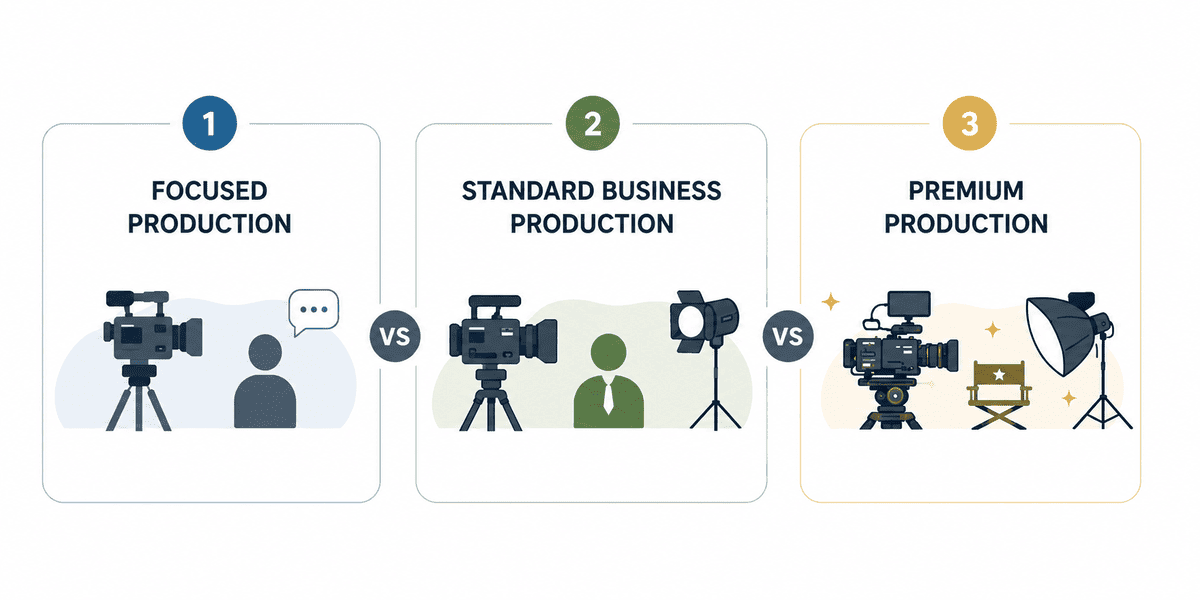
Rather than focusing on arbitrary package names, think in terms of three broad levels.
A Focused Production
Best suited to:
- Simple company videos
- Interviews
- Internal communications
- Straightforward social content
- Short promotional videos
- Single-location shoots
You may only need a small crew, limited filming time and straightforward editing.
The priority is efficiency without sacrificing the professionalism of the finished product.
A Standard Business Production
Best suited to:
- Corporate videos
- Recruitment videos
- Case studies
- Product videos
- Brand content
- Customer testimonials
This might involve more planning, professional lighting and sound, multiple setups, B-roll and a more developed post-production process.
For many businesses, this level provides a strong balance between production quality and budget.
A Premium Production
Best suited to:
- Major advertising campaigns
- Flagship brand films
- Product launches
- Multiple-location productions
- Highly scripted content
- Large-scale campaigns
These productions may involve larger crews, actors, specialist equipment, multiple locations, extensive post-production, animation or more complex creative direction.
The key is that you're paying for additional creative and production requirements, not simply a more expensive camera.
What Should You Prioritise If Your Budget Is Limited?
A limited budget doesn't necessarily mean you need to abandon professional video.
Instead, prioritise the elements that have the greatest effect on your specific project.
For many business videos, that means prioritising:
1. A Strong Message
A beautifully shot video with a weak message won't achieve much.
2. Good Audio
Poor sound can make even attractive footage feel unprofessional.
3. Strong Lighting
Lighting has a major influence on how polished the footage looks.
4. Relevant B-Roll
Supporting footage helps create visual variety and demonstrate what you're talking about.
5. Good Editing
The final edit determines how effectively all those elements come together.
6. The Right Deliverables
There's little value in producing one beautiful video if your marketing strategy actually requires multiple formats.
A good production partner should help you determine where your budget will have the greatest impact.
Don't Pay for Production You Don't Need
It's easy to assume that more cameras, more locations and more production days automatically mean a better result.
They don't.
If a simple interview with carefully captured B-roll can achieve your objective, there may be no reason to build a complicated production around it.
The best package isn't the one with the longest list of features.
It's the one where every production element has a purpose.
Before agreeing to additional services, ask:
- What does this add to the final video?
- Does it support our objective?
- Will our audience notice the difference?
- Will we use the resulting footage?
- Could we achieve the same result more efficiently?
This approach can help prevent unnecessary production costs.

But Don't Underinvest in What Matters
The opposite problem can be just as costly.
Trying to save money by cutting elements that genuinely matter to the project can affect the final result.
For example, if you're producing a flagship brand video, reducing the production to the bare minimum may leave you without enough footage, planning or creative direction to tell the story properly.
Similarly, if you're filming a customer testimonial, poor audio or lighting can undermine the credibility of the entire piece.
The goal isn't to spend as little as possible.
It's to spend where it makes a difference.
Ask What's Actually Included
Before agreeing to any video production package, make sure you understand what you're receiving.
Ask about:
- Number of filming days
- Number of locations
- Crew size
- Equipment
- Pre-production
- Scriptwriting
- Interviews
- B-roll
- Editing
- Colour grading
- Graphics
- Animation
- Music
- Voiceover
- Subtitles
- Number of revisions
- Final video length
- Social media versions
- File formats
- Delivery timelines
This is particularly important when comparing quotes from different production companies.
A lower headline price doesn't necessarily mean you're getting better value if important production elements are excluded.
Likewise, a higher quote may be justified if it includes considerably more planning, filming, editing or deliverables.
How to Compare Video Production Quotes
Don't compare quotes based on the total number alone.
Instead, compare the scope.
One company might quote for a single filming day and one finished video.
Another might include:
- Creative development
- Scriptwriting
- Two filming days
- Multiple locations
- Professional sound
- Extensive B-roll
- Animation
- Multiple edits
- Social media cutdowns
Those are not equivalent projects.
When comparing proposals, ask:
Are we comparing the same deliverables?
If not, the cheapest quote may not actually be the cheapest way to achieve your goal.
Your Level of Involvement Matters Too
Not every business wants the same level of support from a production company.
You might already have a clear concept, script and shot list and simply need a professional crew to handle filming and post-production.
Another business might have a general idea but need help turning it into a workable concept, developing the script, planning the shoot and shaping the final edit.
The right production partner should be able to adapt to how much support your project actually needs.
A flexible 360-degree approach can accommodate both, covering everything from concept development and scripting through to filming and post-production, with the scope and quote tailored to the project.
This gives businesses more flexibility to invest in the areas that will have the greatest impact on the final video, rather than paying for services they don't need or trying to manage complex production decisions alone.
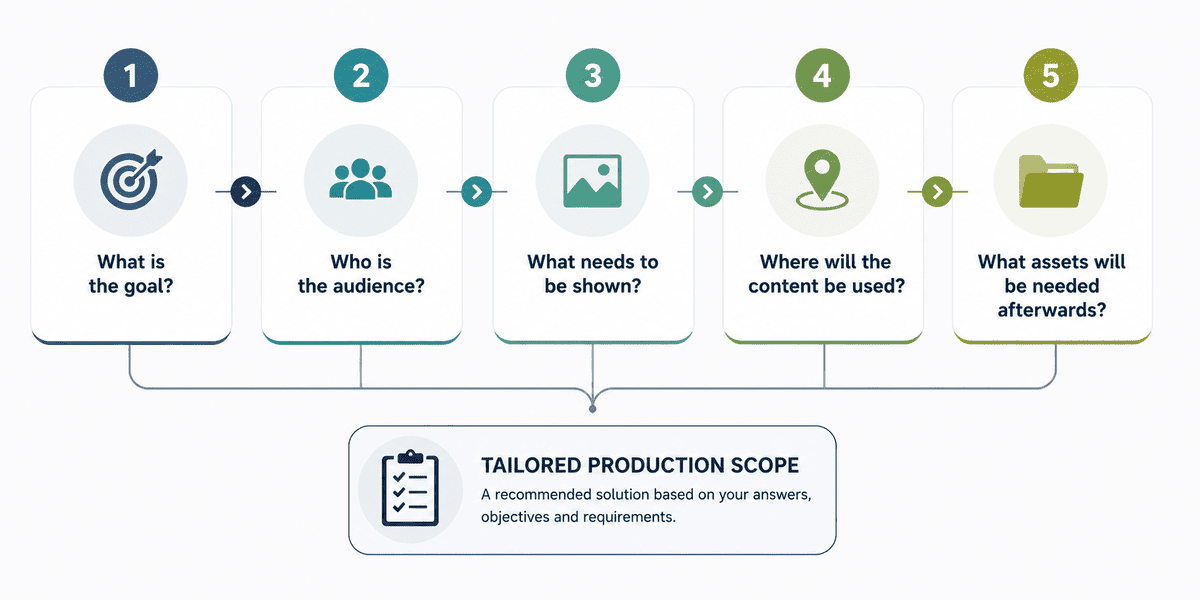
A Simple Way to Choose Your Video Production Package
If you're still unsure, work through these five questions:
1. What is the goal?
What business problem should the video solve?
2. Who is the audience?
Customers, employees, prospects, investors or another group?
3. What needs to be shown?
People, products, locations, processes, graphics or a combination?
4. Where will the content be used?
Website, social media, advertising, sales, events or multiple channels?
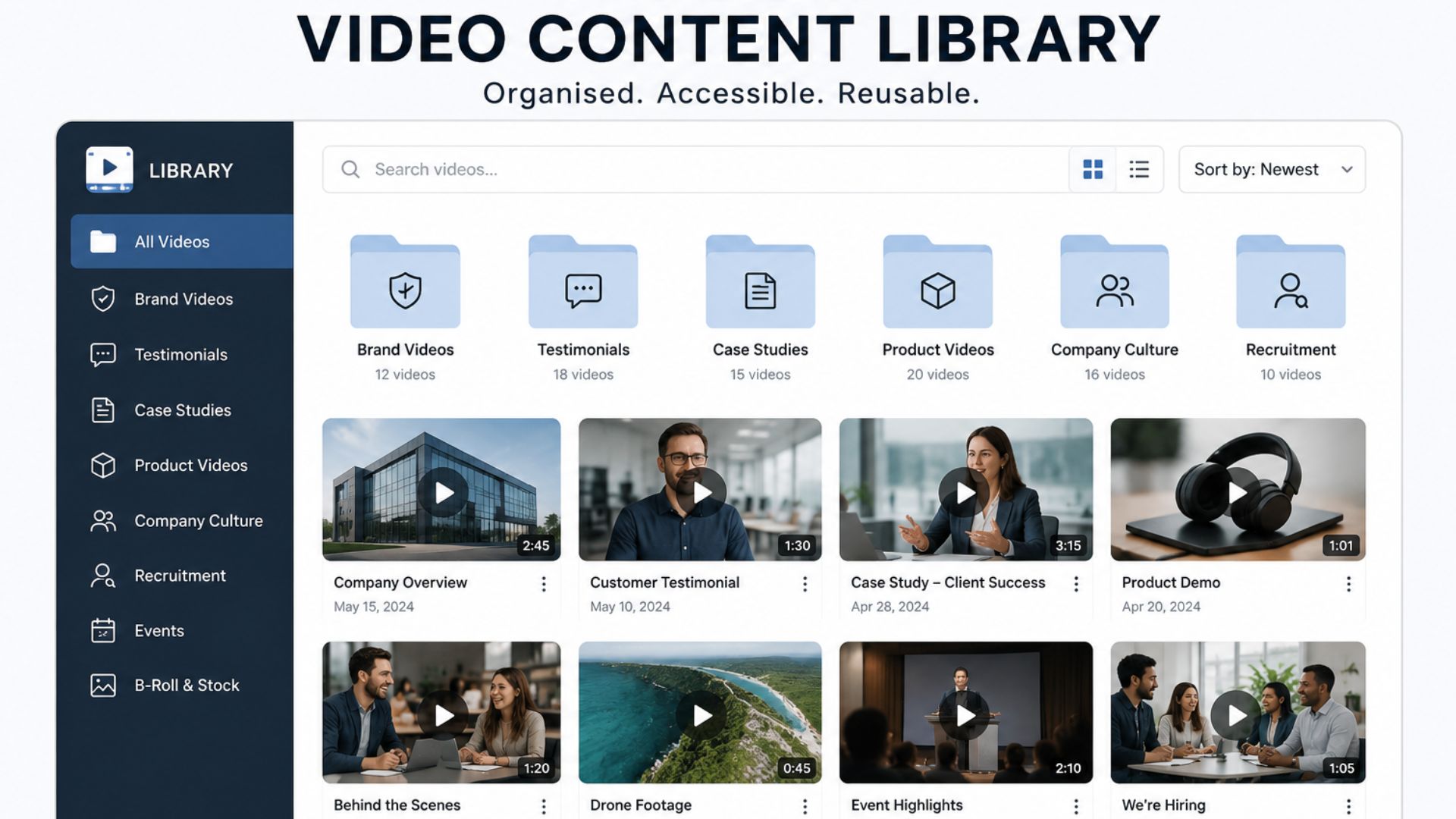
5. What assets will we need afterwards?
One hero video or a wider library of reusable content?
Once you have those answers, the production requirements become much easier to define.
You may discover that you need a simple, focused production.
Or you may realise that investing in a larger production makes more sense because you're going to use the content across multiple campaigns and channels.
The Right Package Should Fit the Project — Not the Other Way Around
A video production package should make your project easier to plan, not force your business into a predefined formula.
The right level of production depends on your objectives, audience, message, locations, filming requirements, creative needs, distribution channels and future content requirements.
The best production approach is one that can adapt to those requirements. Whether you need help developing the concept from scratch or already know exactly what you want to film, having the right level of creative, production and post-production support can help you get more value from your investment.
That's why it makes sense to look beyond the package name or headline price and focus on what your project actually needs.
Conclusion
If you're considering a video project, you don't need to have every production detail figured out before speaking to a production company. Start with your objective, audience and intended use, then work backwards to determine the level of filming, creative support and post-production that will genuinely add value.
If you're looking for a production partner that can tailor the process to your goals, budget and desired level of involvement, Mango Media can help. From concept development and scripting through production and post-production, the team can shape the scope around what your project actually requires. Explore our video production services, use our instant price calculator for a quick estimate, or get in touch for a no-obligation conversation.
Frequently Asked Questions
How much does a video production package cost?
The cost of a video production package depends on factors such as the type of video, filming requirements, number of locations, production complexity, graphics or animation, editing and final deliverables. Rather than choosing a package based solely on price, compare what is included and whether it supports your video's objective.
What is included in a video production package?
A video production package may include pre-production, creative development, filming, equipment, editing, colour grading, graphics, animation, music, subtitles and final delivery. The exact inclusions vary between production companies and projects, so it's important to confirm the scope before booking.
How do I choose the right video production package?
Start by defining your video's objective, audience, distribution channels and required deliverables. Then consider how much filming, creative development, editing and additional production support you actually need. The right package should match the project's requirements rather than simply offering the largest number of services.
Similar blogs:





















![How to Write a Promo Video Script (Free Template Included) [2026 Guide]](https://cdn.prod.website-files.com/6226fcc37e2eb518b6e69a7f/69c3804c0b9ea78696bd89e0_covertab11.jpeg)


.jpg)
%20(1)%20(1).jpg)
.jpg)






We'd love to hear from you! Reach out to us today for a chat about our services, pricing, or just to say hello!


